Komodo National Park
Indonesia · Lesser Sunda Islands
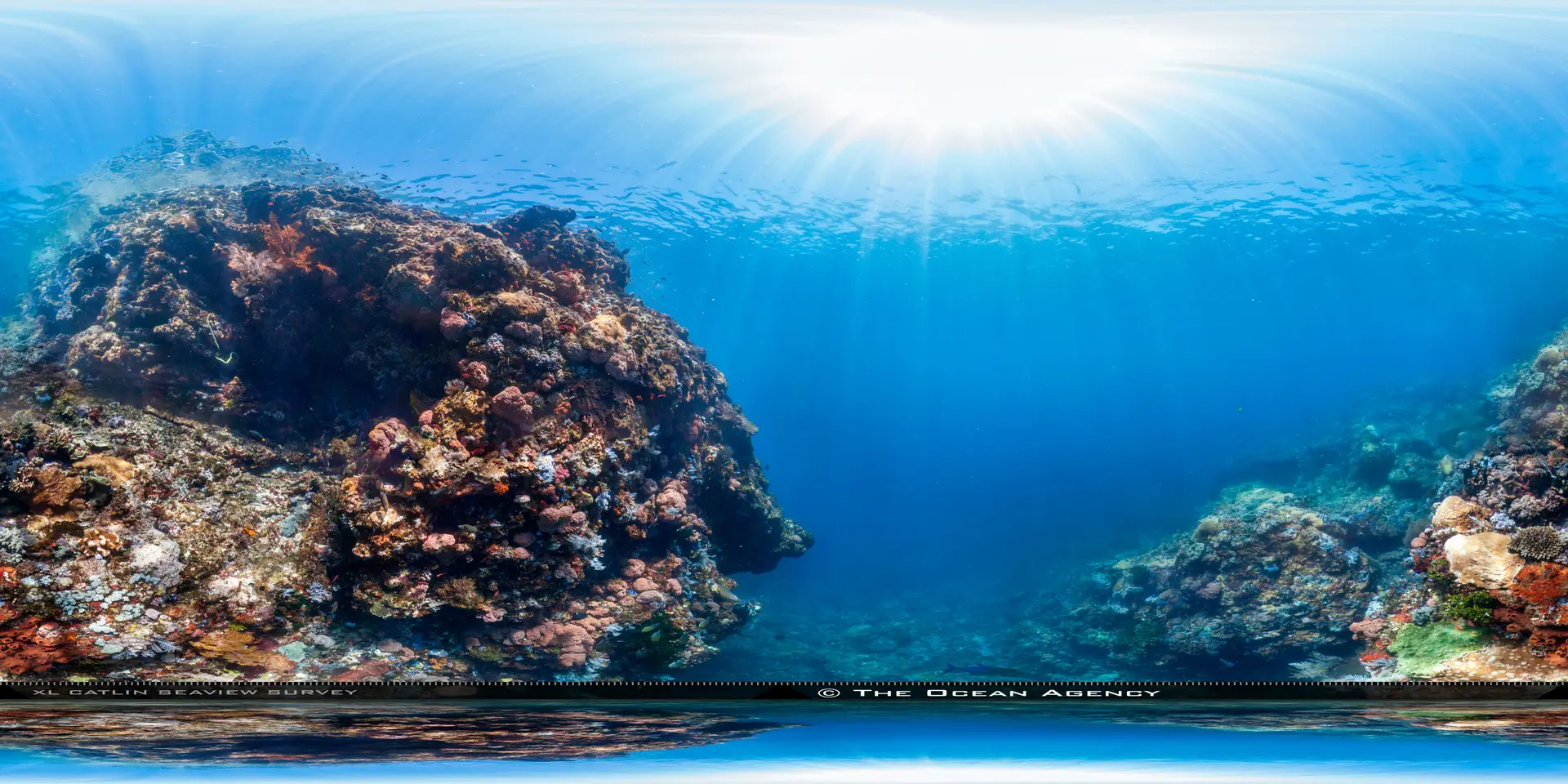
Komodo sits at the meeting point of the Indian and Pacific Oceans, and the cold, nutrient rich upwellings that funnel between its islands feed an extraordinary food chain — from coral gardens dense with reef fish to manta cleaning stations, sharks, dolphins and the occasional pelagic. The north of the park is warm, blue and current driven; the south is cooler, greener and built for mantas and macro. Most divers visit by liveaboard, looping both halves over a week.
How this reef is doing
ⓘ How we measure thisReef state
Komodo's strong currents drive nutrient upwelling that supports unusually intact reefs. Expect manta cleaning stations, big schools, and full coral cover.
Coral cover
Fish life
Heat
No unusual heat right now.
Fishing
Quiet water, and fishing is fully banned here.
Sources · MERMAID and the survey teams · NOAA Coral Reef Watch · Global Fishing Watch and reef gravity
Coral cover over time
Live coral cover, by survey year
Across 3 survey years from 2016 to 2023, live coral cover here has risen from 28% to 72%. Every point is a real survey reading, never a projection.
Live coral cover, percent by year
| Year | Coral cover |
|---|---|
| 2016 | 28% |
| 2020 | 32% |
| 2023 | 72% |
What you will see
47 species across the dive sites here
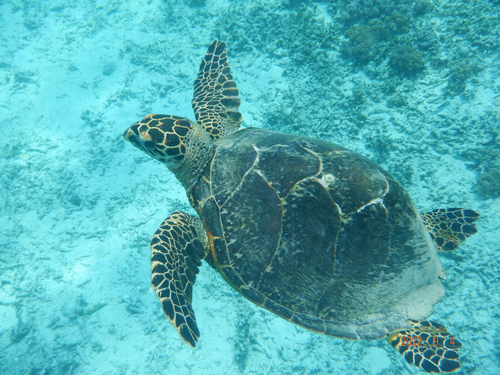
Hawksbill Sea Turtle
Seen 3 months ago
at Gili Islands
Critically endangered
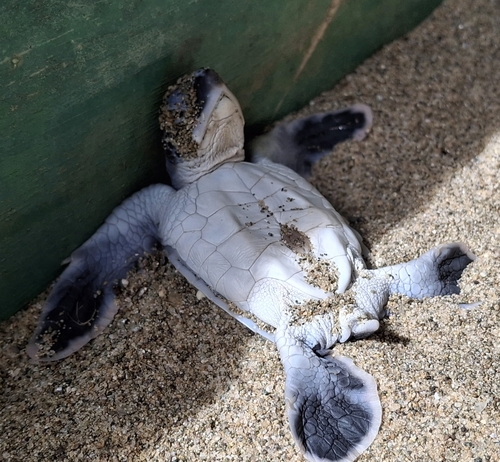
Green Sea Turtle
Seen 3 months ago
at Gili Islands
Least concern
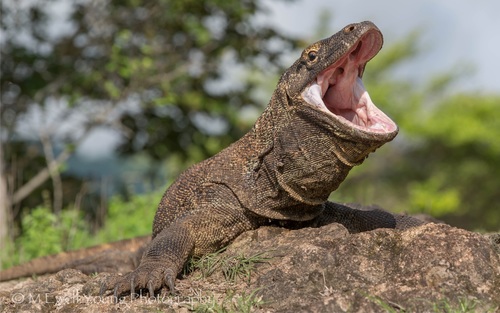
Komodo Dragon
Seen 3 months ago
at Manta Alley
Endangered
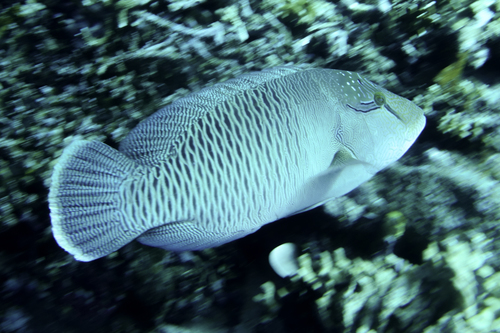
Napoleon wrasse
Seen 3 months ago
at Batu Bolong
Endangered
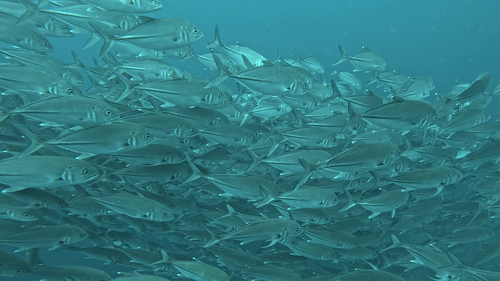
Schooling bigeye trevally
Seen 3 months ago
at Castle Rock
Least concern
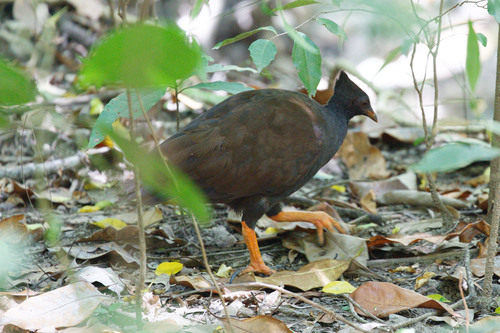
Orange-Footed Scrubfowl
Seen 3 months ago
at Manta Alley
Least concern
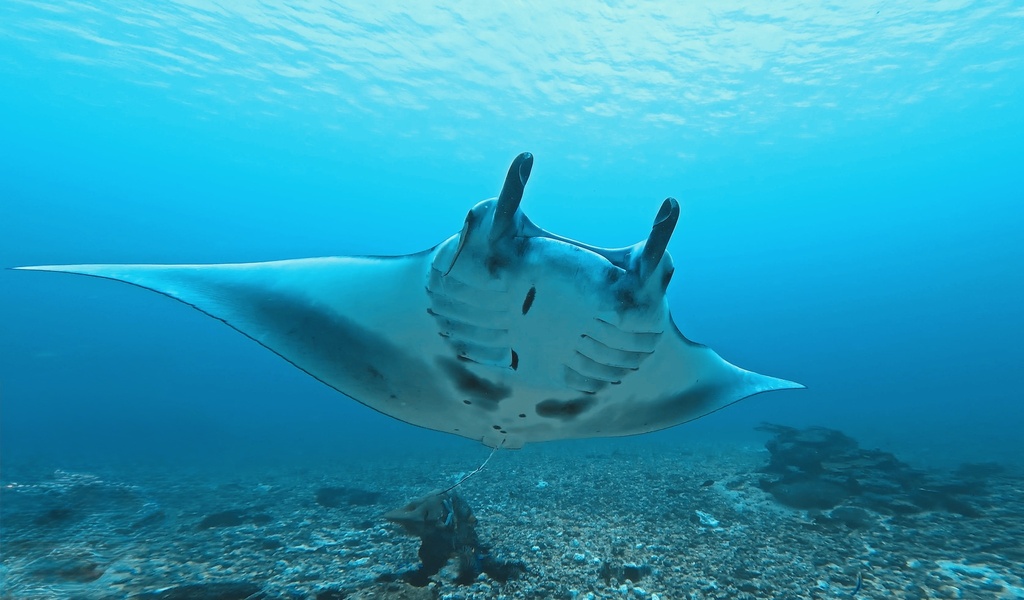
Reef manta ray
Seen 3 months ago
at Manta Alley
Vulnerable
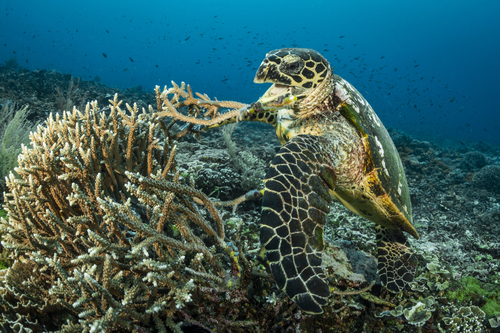
Hawksbill turtle
Seen 3 months ago
at Batu Bolong
Critically endangered
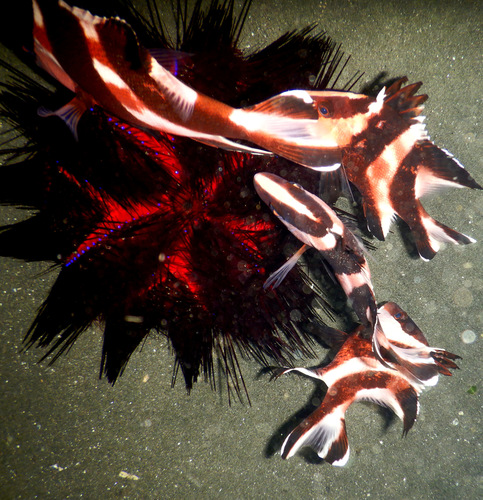
Schooling snapper
Seen 3 months ago
at The Cauldron / Shotgun
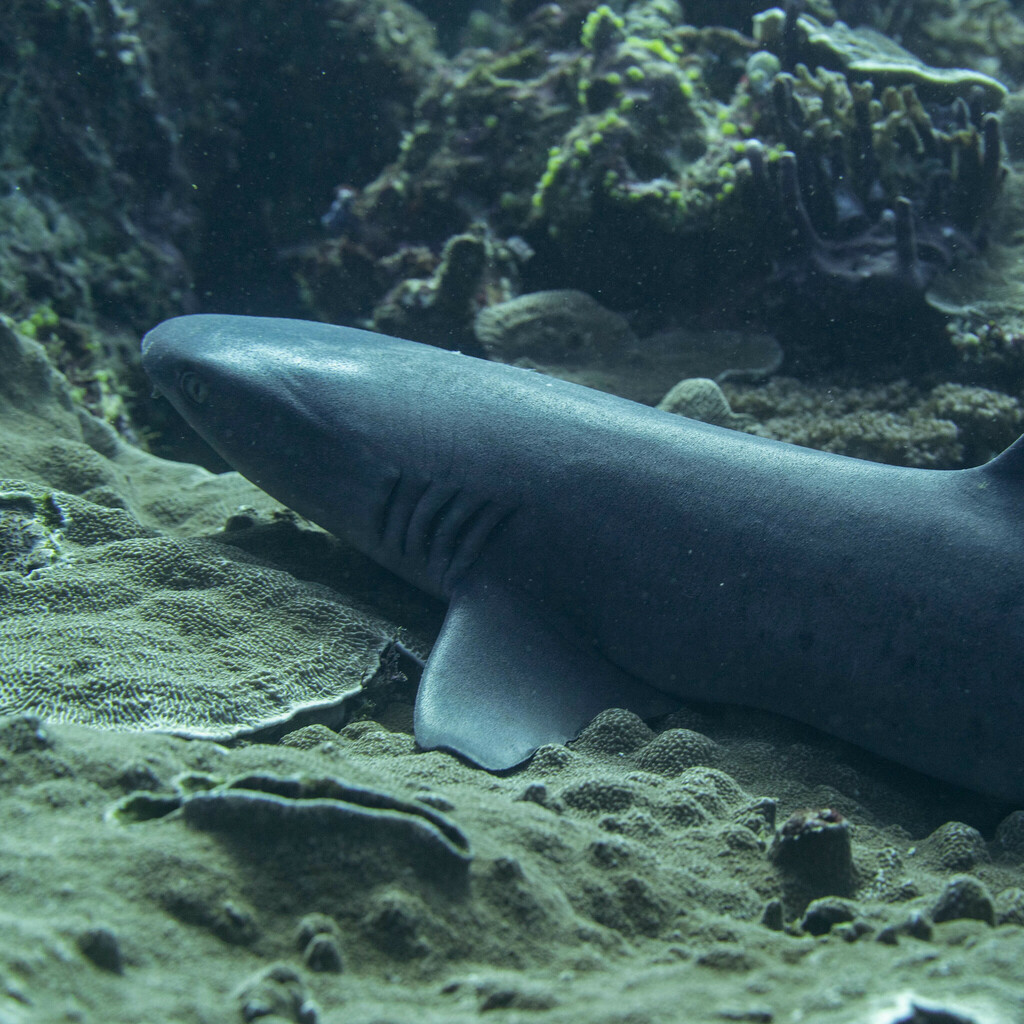
Whitetip reef shark
Seen 3 months ago
at The Cauldron / Shotgun
Vulnerable
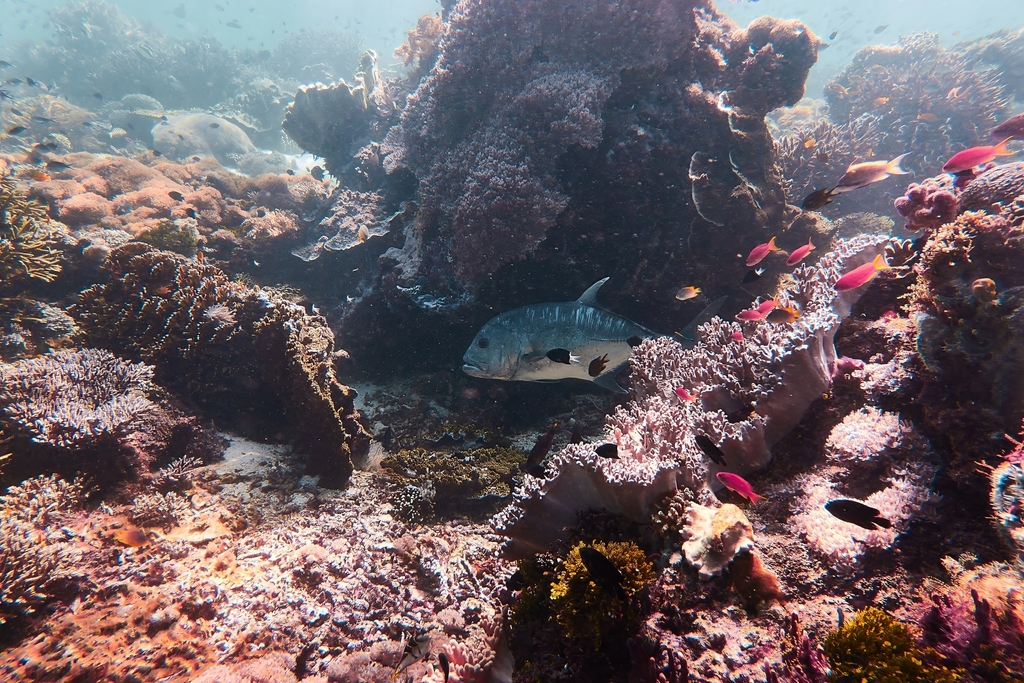
Giant trevally
Seen 3 months ago
at Castle Rock
Least concern
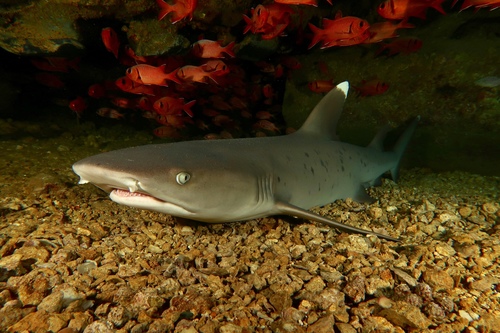
White-tip reef shark
Seen 3 months ago
at Castle Rock
Vulnerable
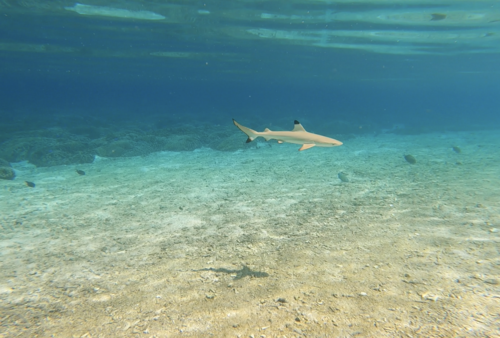
Blacktip reef shark
Seen 3 months ago
at Crystal Rock
Vulnerable
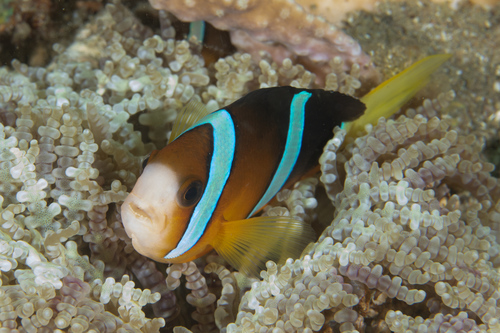
Clark'S Anemonefish
Seen 3 months ago
at Castle Rock
Least concern
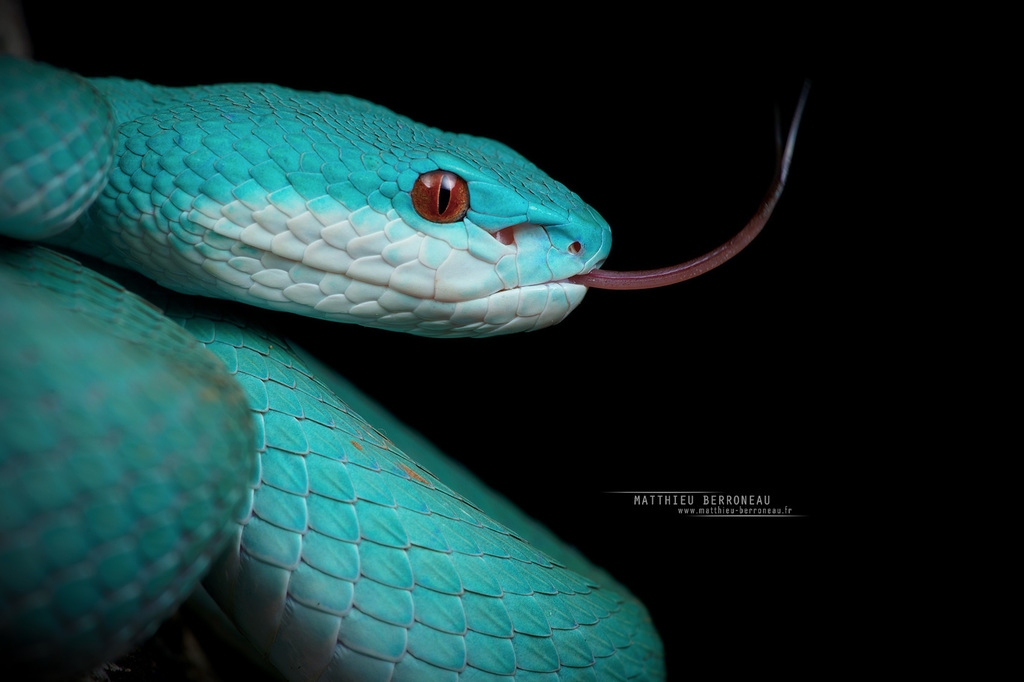
White-Lipped Island Pitviper
Seen 4 months ago
at Manta Alley
Least concern
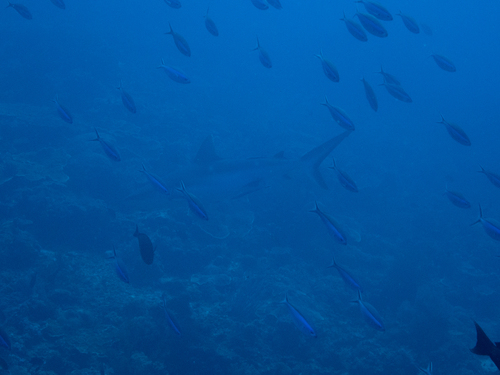
Grey reef shark
Seen 4 months ago
at Crystal Rock
Endangered
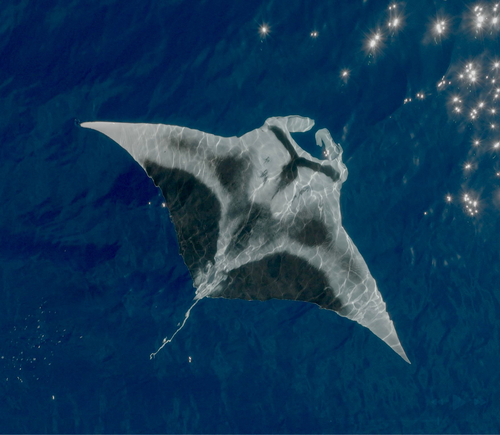
Manta Ray
Seen 4 months ago
at Alor
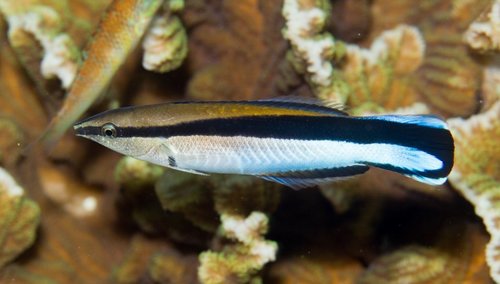
Cleaner wrasse
Seen 4 months ago
at Manta Alley
Least concern
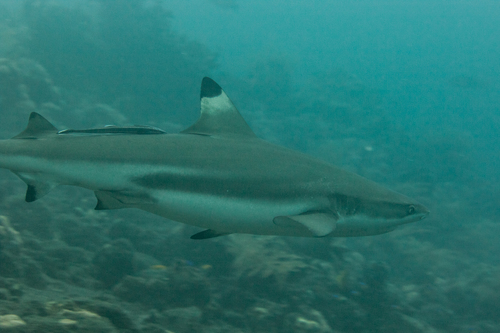
Reef Shark
Seen 4 months ago
at Gili Islands
Vulnerable
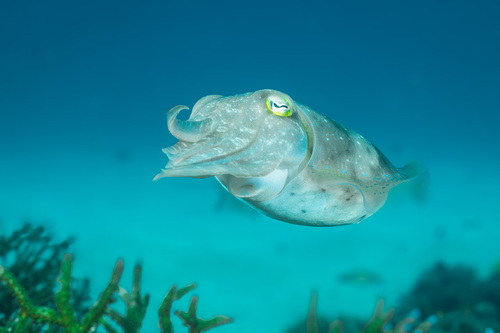
Cuttlefish
Seen 5 months ago
at Mawan
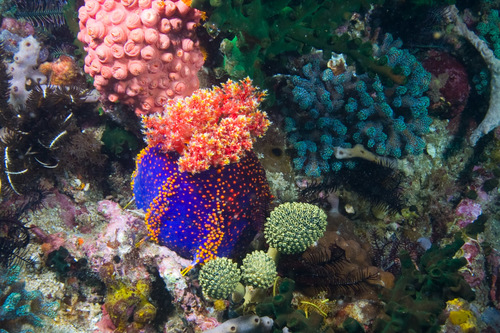
Sea apple
Seen 5 months ago
at Cannibal Rock
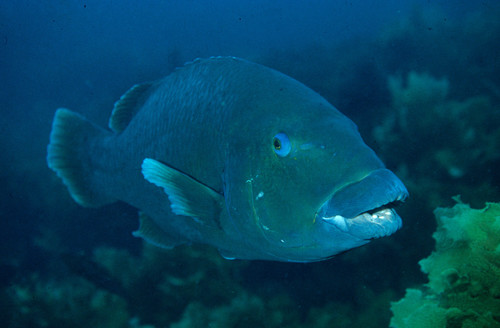
Western blue groper
Seen 5 months ago
at HMAS Perth
Vulnerable
Bamboo shark
Seen 6 months ago
at Mawan
Brown-banded bamboo shark
Seen 7 months ago
at Cannibal Rock
Near threatened
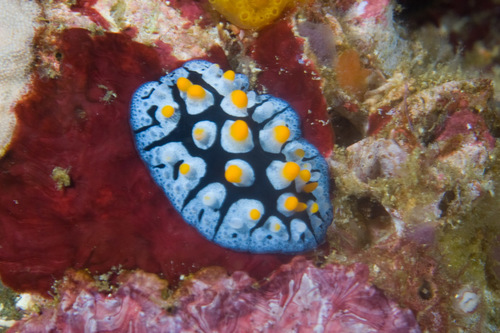
Nudibranch
Seen 8 months ago
at Mawan
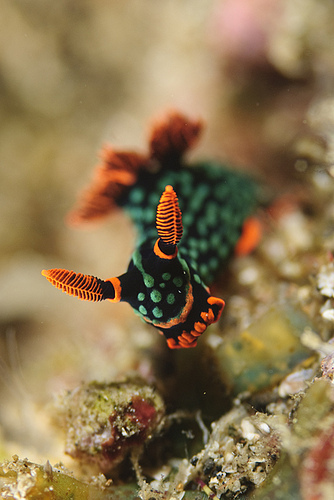
Nudibranchs
Seen 8 months ago
at Cannibal Rock
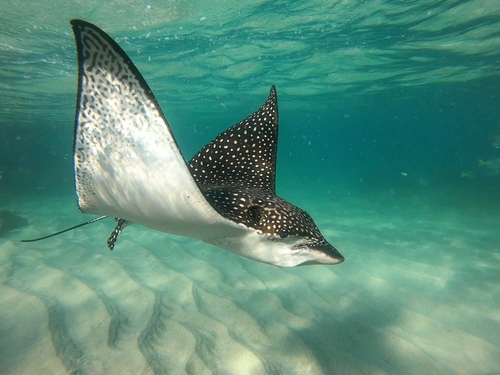
Stingray
Seen 9 months ago
at HMAS Perth
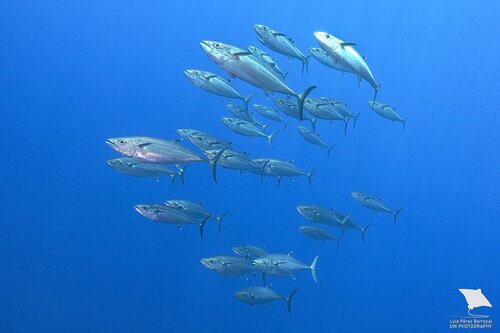
Dogtooth tuna
Seen 11 months ago
at Castle Rock
Least concern
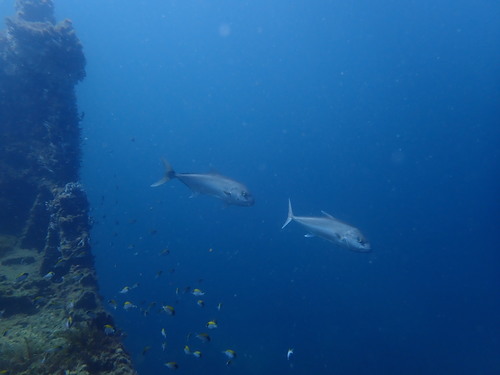
Samson fish
Seen Aug 2025
at HMAS Perth
Least concern
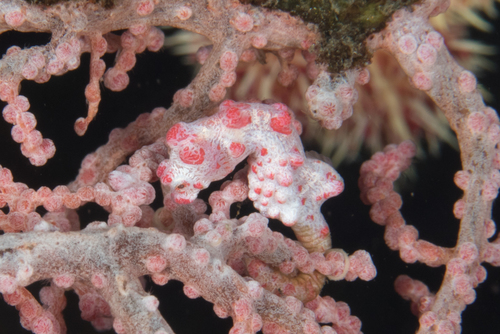
Bargibant's pygmy seahorse
Seen Mar 2025
at Cannibal Rock
Least concern

Australian sea lion
Seen Jul 2024
at HMAS Perth
Endangered
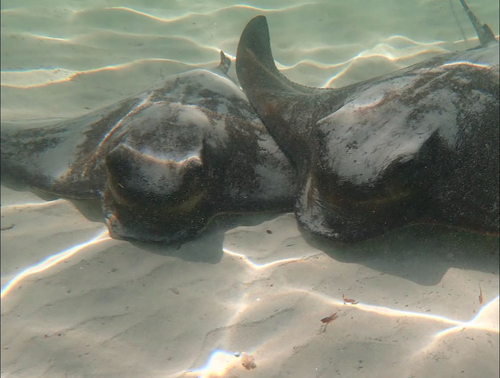
Bull ray
Seen year round
at HMAS Perth
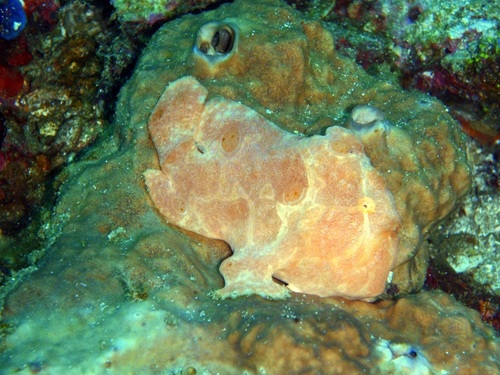
Frogfish
Seen year round
at Cannibal Rock
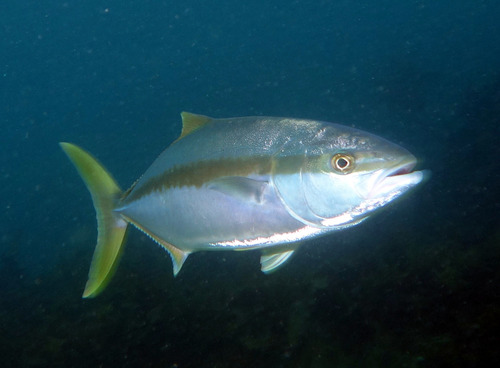
Kingfish
Seen year round
at HMAS Perth
Least concern
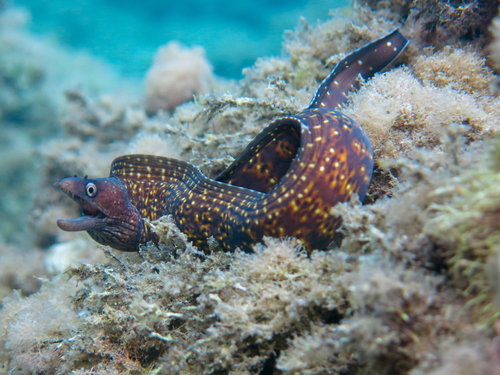
Moray Eel
Seen year round
at Gili Islands
Least concern
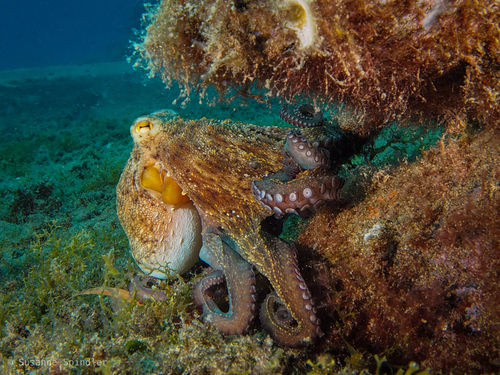
Octopus
Seen year round
at HMAS Perth
Least concern
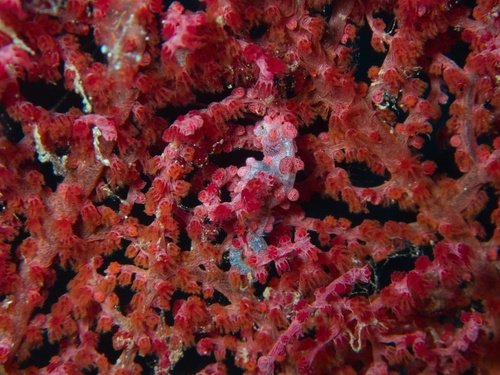
Pygmy Seahorse
Seen year round
at Alor
Least concern
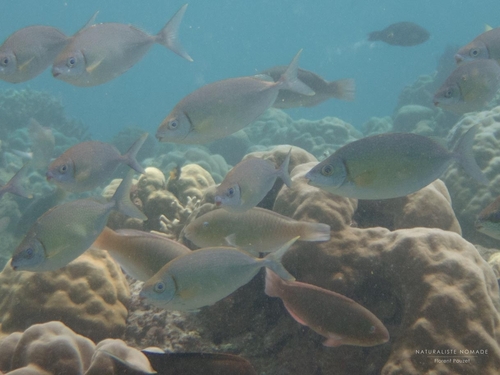
Schooling fish
Seen year round
at Alor
Schooling fusiliers
Seen year round
at Crystal Rock
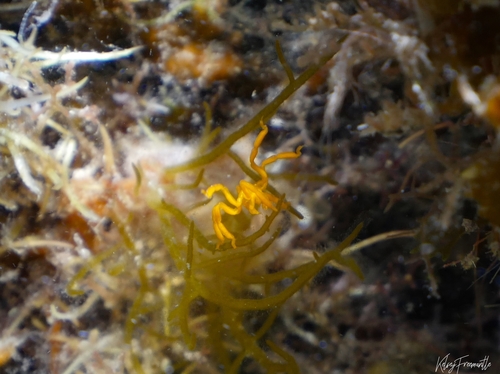
Sea spider
Seen year round
at HMAS Perth
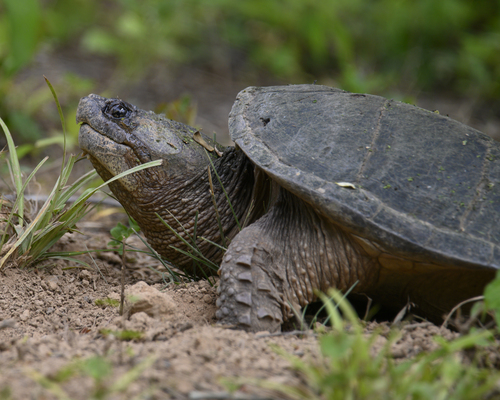
Snapper
Seen year round
at HMAS Perth
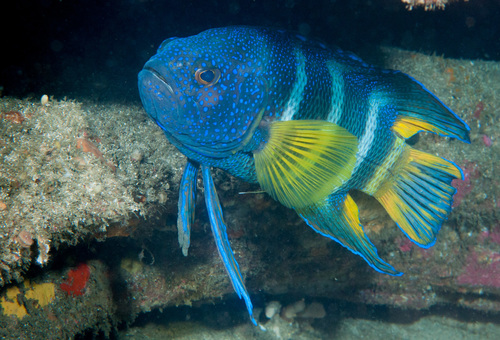
Southern blue devil fish
Seen year round
at HMAS Perth
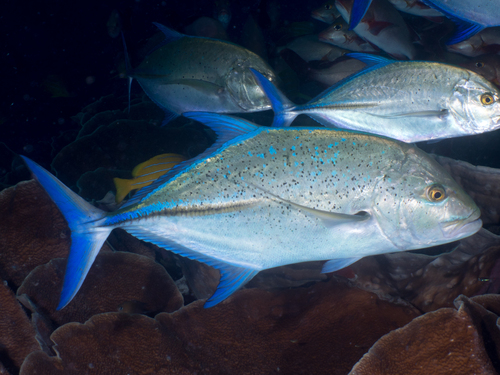
Trevally
Seen year round
at HMAS Perth
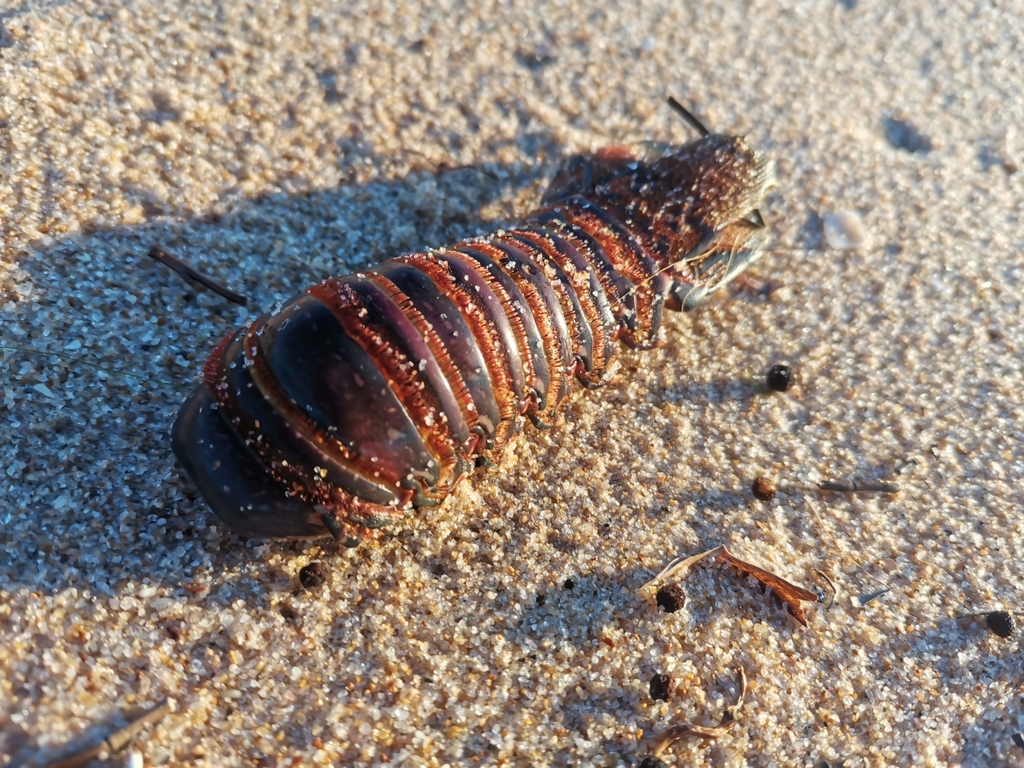
Western rock lobster
Seen year round
at HMAS Perth
Least concern
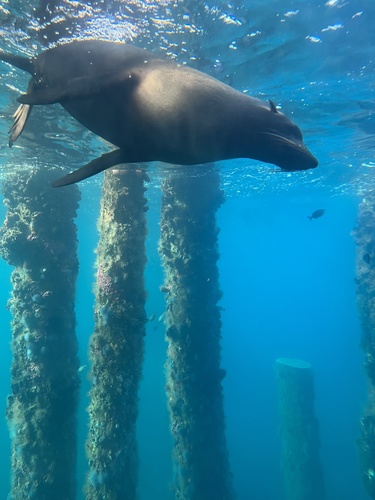
New Zealand fur seal
Rare sighting
at HMAS Perth
Least concern
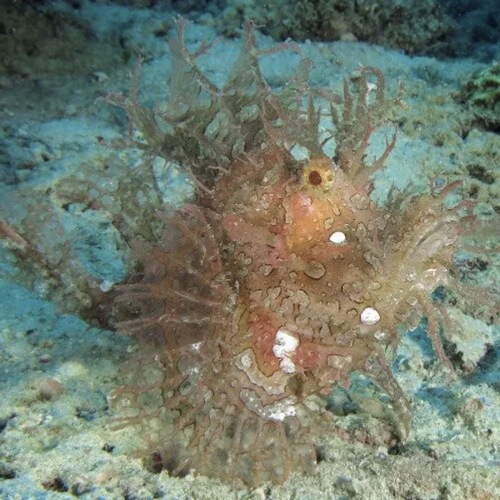
Rhinopias scorpionfish
Rare sighting
at Cannibal Rock
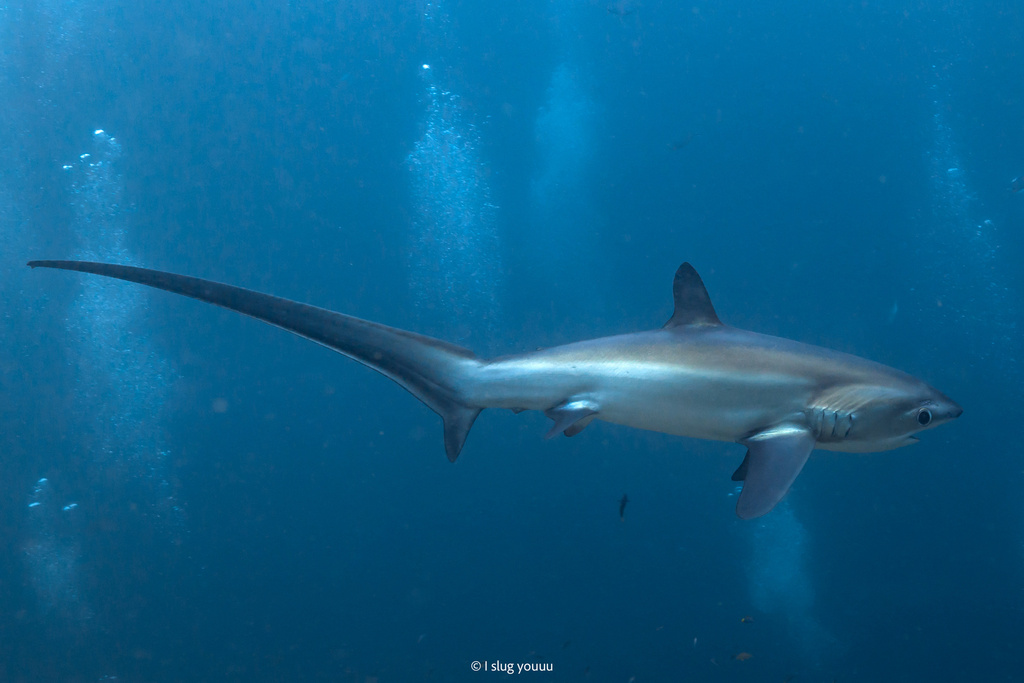
Thresher Shark
Rare sighting
at Alor
Endangered
Dive sites
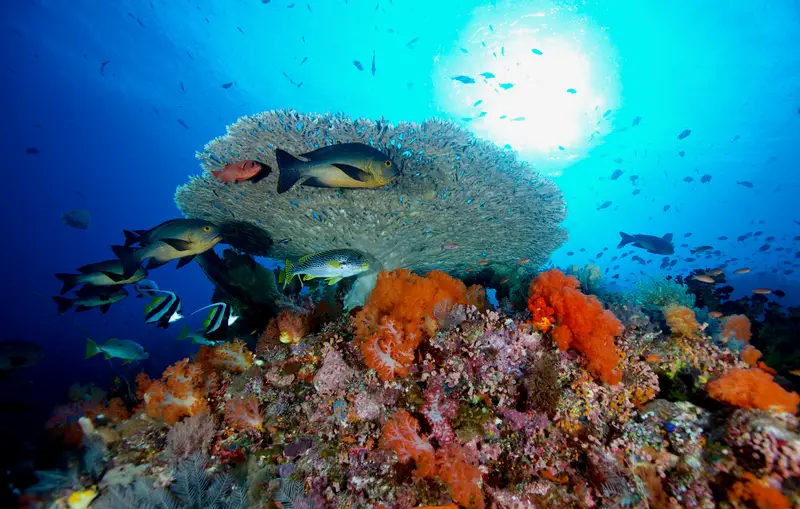
Manta Alley
reef manta ray · cleaner wrasse · white-tip reef shark · komodo dragon
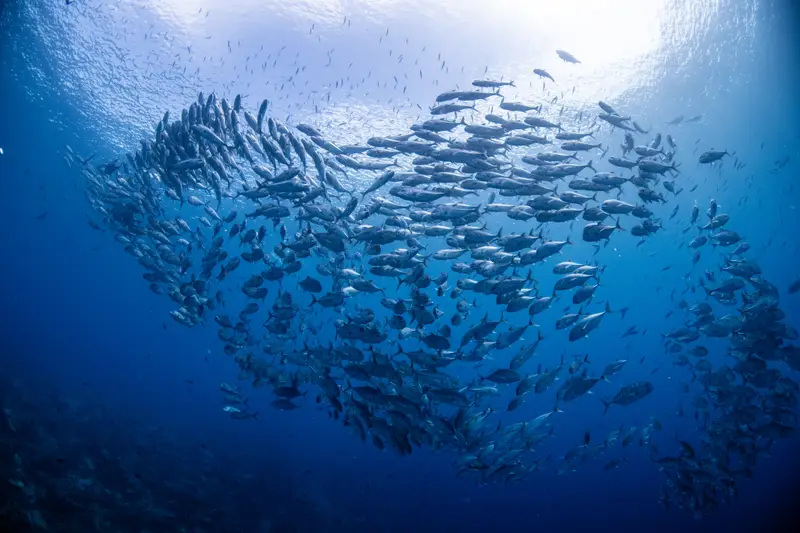
Castle Rock
giant trevally · schooling bigeye trevally · white-tip reef shark · dogtooth tuna
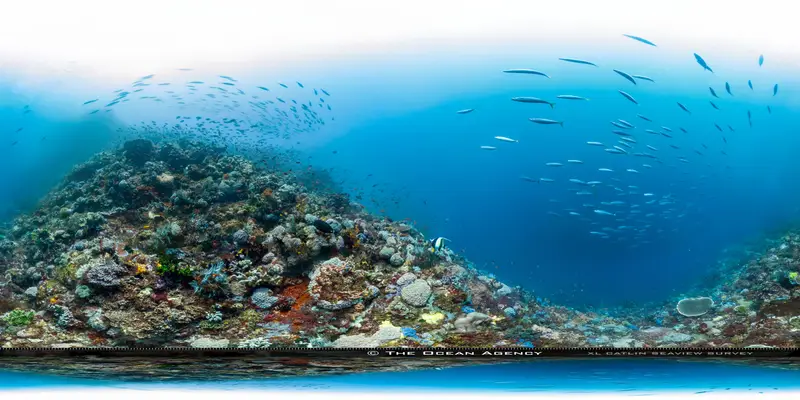
Batu Bolong
giant trevally · white-tip reef shark · napoleon wrasse · reef manta ray
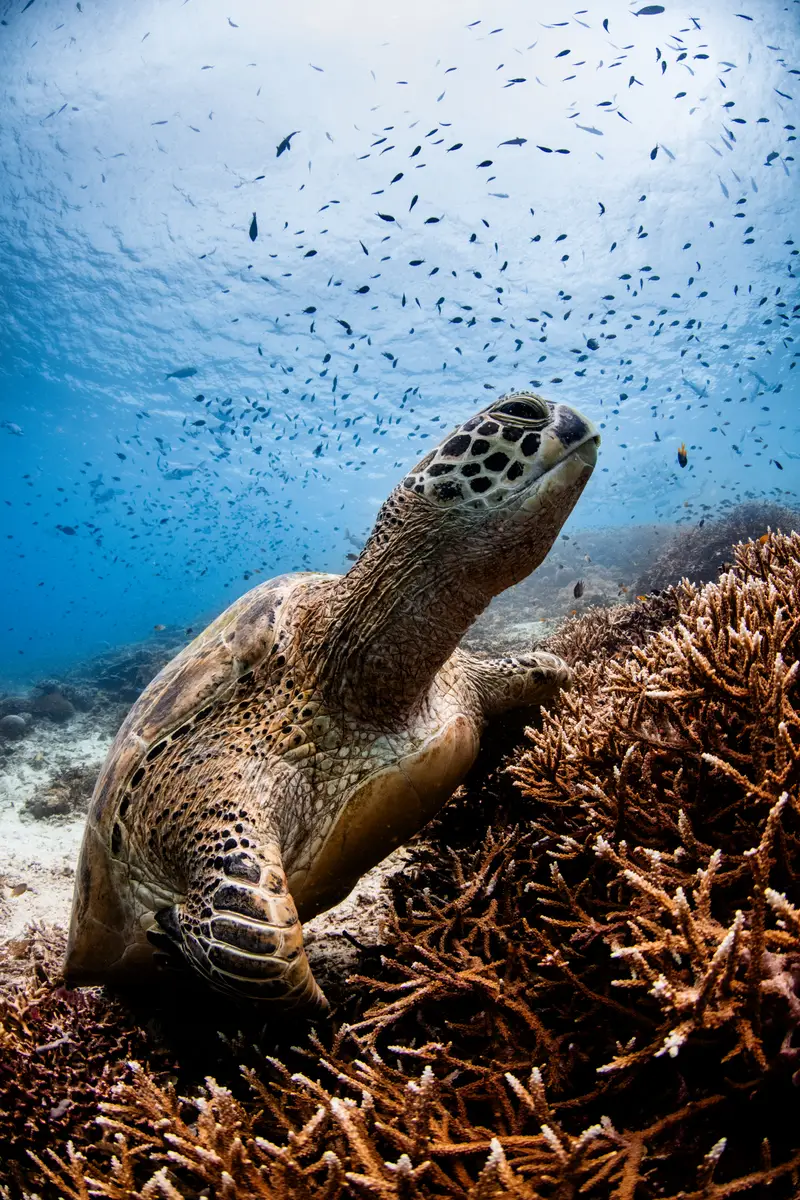
The Cauldron / Shotgun
reef manta ray · whitetip reef shark · giant trevally · hawksbill turtle
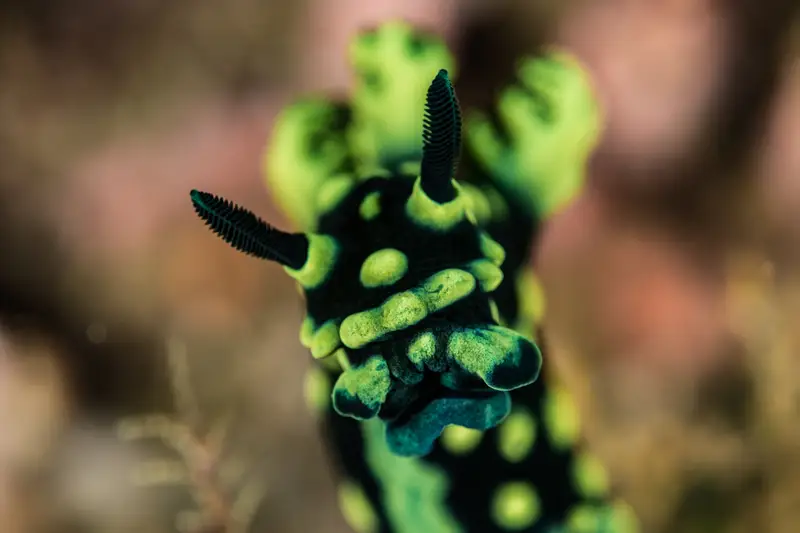
Mawan
reef manta ray · bamboo shark · hawksbill turtle · cuttlefish
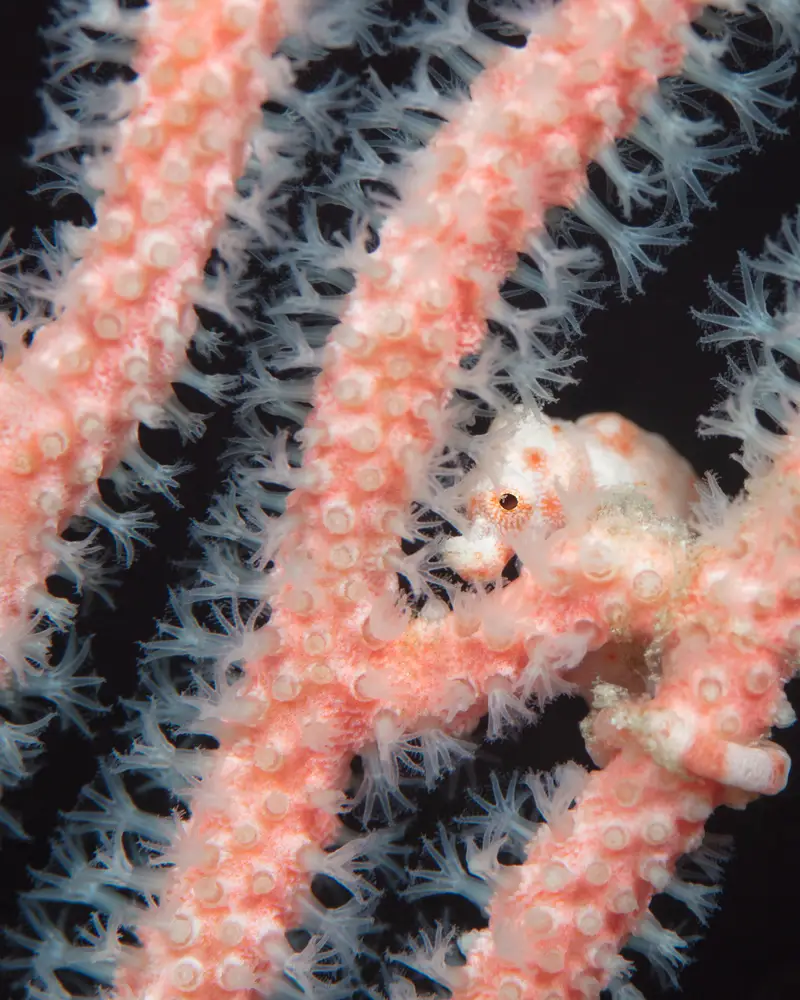
Alor
manta ray · thresher shark · pygmy seahorse · schooling fish
What divers say
The current at Castle Rock pinned us flat to the reef while jacks tornadoed overhead and grey reefs hunted them — it's the closest thing to a nature documentary I've ever been inside.
Two dives a day for a week and I still felt like we'd only scratched the surface. The north is electric, the south is weird and quiet and full of mantas. Both deserve their own trip.
Komodo isn't the prettiest reef I've dived — Raja wins that — but it's the most alive. Every dive felt like something was about to happen.
Good to know
Park fees
A daily park fee (~IDR 200–300k) plus dive permits are required and usually bundled into operator pricing. Confirm in writing — fees have been restructured several times.
Dragons
Most trips include a half day on Rinca or Komodo island to see the dragons. Rinca is closer and less touristed; both require a ranger.
Currents are no joke
Carry an SMB and ideally a Nautilus Lifeline or PLB on every dive. Drift separations happen and the channels run fast.
Water temp swings
North-to south transits in a single day can drop water temp 5°C+. Pack a 5mm or a 3mm + hooded vest rather than a thin shorty.
Surface interval reality
There is no decompression chamber inside the park; the nearest is in Bali. Dive conservatively and consider DAN coverage.