Ogasawara
Japan · Bonin Islands
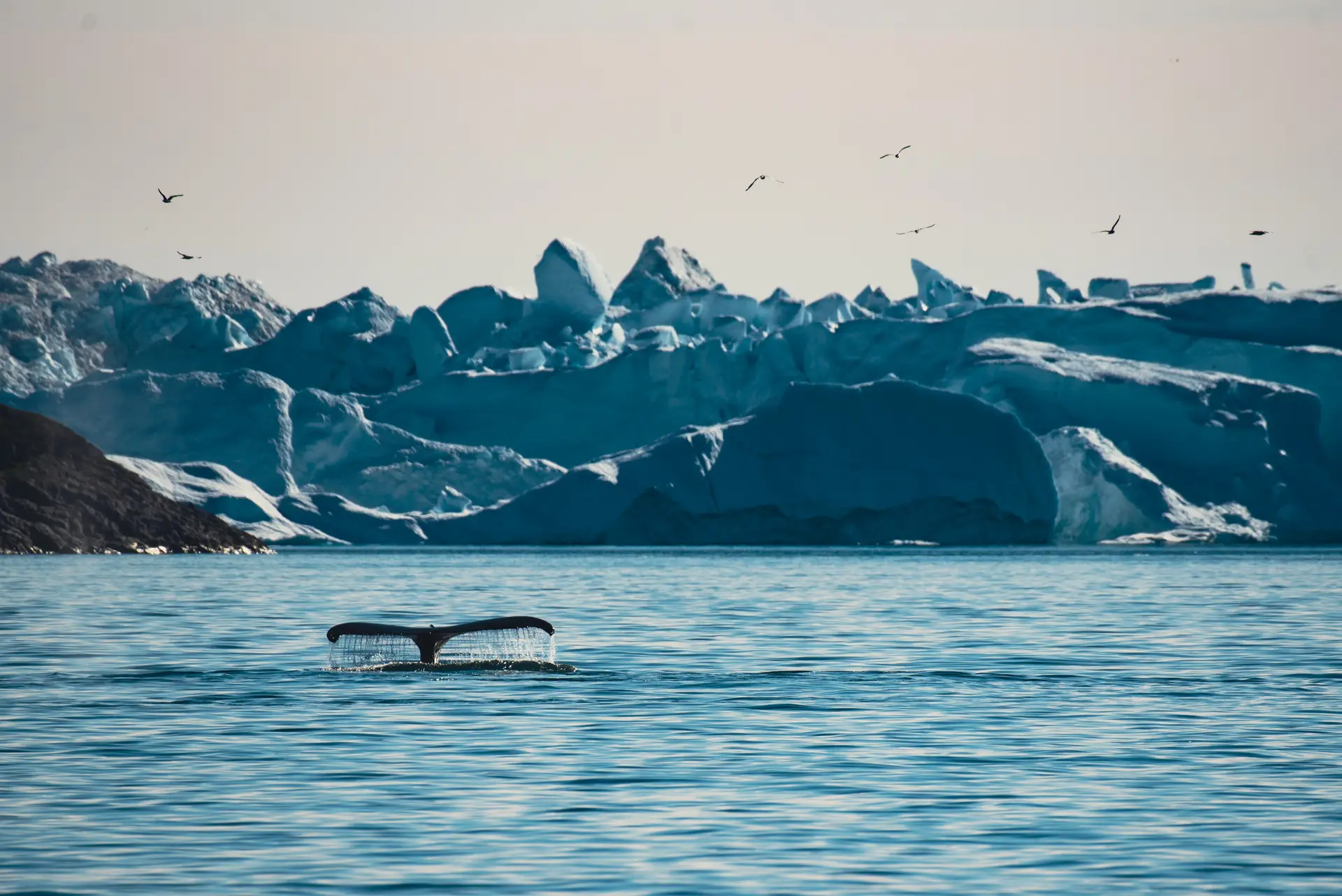
The Ogasawara (Bonin) Islands are 1,000km south of Tokyo — a UNESCO World Heritage natural site reached only by a 24-hour ferry from Tokyo Bay. Whale sharks, humpback whales (in season), dolphins, hammerheads, and Japanese marine life on volcanic walls.
How this reef is doing
ⓘ How we measure thisReef state
Remote Japanese archipelago, oceanic, low diver pressure. Cetacean encounters seasonally.
Coral cover
Fish life
Heat
Warmer than usual right now, but not hot enough to bleach.
Fishing
Protected on paper, but boats are still busy nearby.
Sources · Reef survey · NOAA Coral Reef Watch · Global Fishing Watch and reef gravity
Coral cover over time
Live coral cover, by survey year
Across surveys in 2014 and 2024, live coral cover here has held steady at about 44%. Every point is a real survey reading, never a projection.
Live coral cover, percent by year
| Year | Coral cover |
|---|---|
| 2014 | 44% |
| 2024 | 44% |
What you will see
30 species across the dive sites here
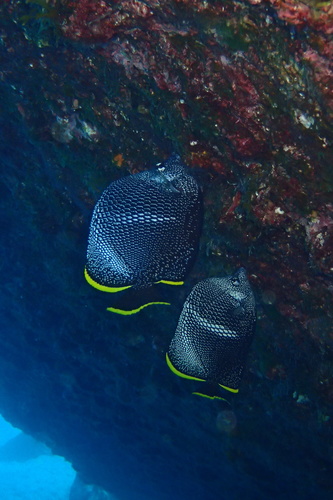
Wrought-iron butterflyfish
Seen 3 months ago
at Minamijima Arch
Least concern
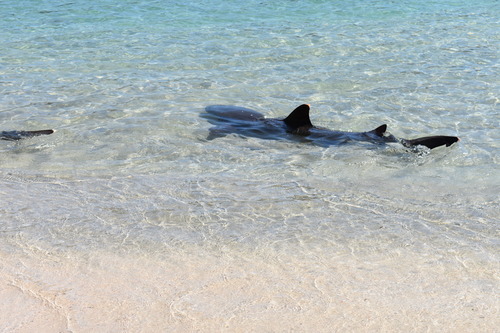
Whitetip Reef Shark
Seen 3 months ago
at Ogasawara Islands
Vulnerable
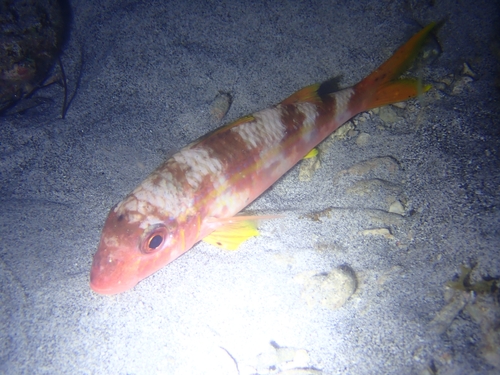
Yellowfin Goatfish
Seen 3 months ago
at South Chichijima Wall
Least concern
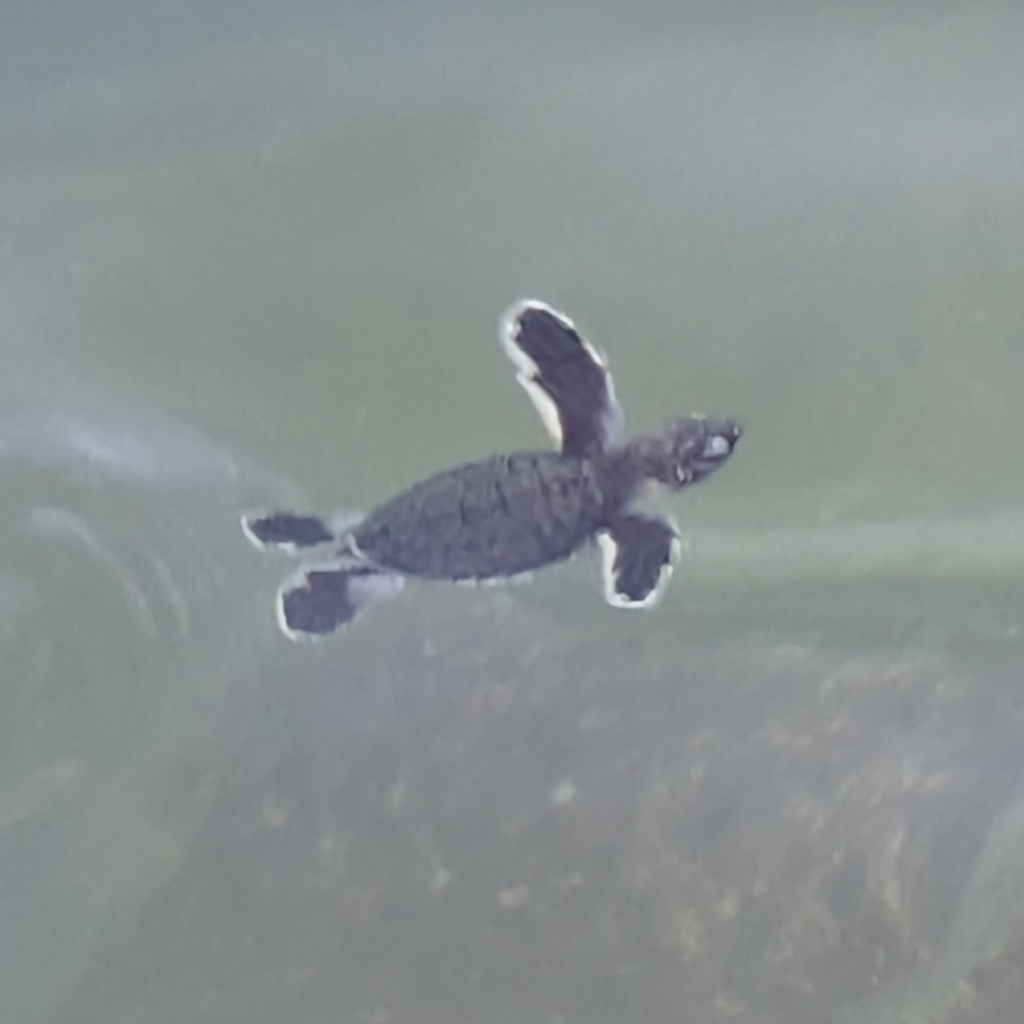
Green Sea Turtle
Seen 3 months ago
at Ogasawara Islands
Least concern
Green turtle
Seen 3 months ago
at Chichijima Dolphin Swim
Least concern
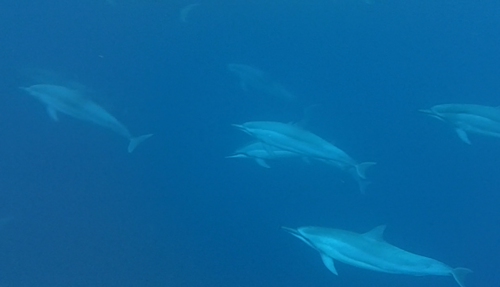
Spinner dolphin
Seen 4 months ago
at Ogasawara Islands
Least concern
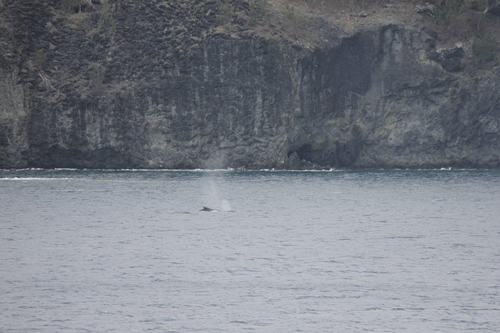
Humpback whale
Seen 5 months ago
at Chichijima Dolphin Swim
Least concern
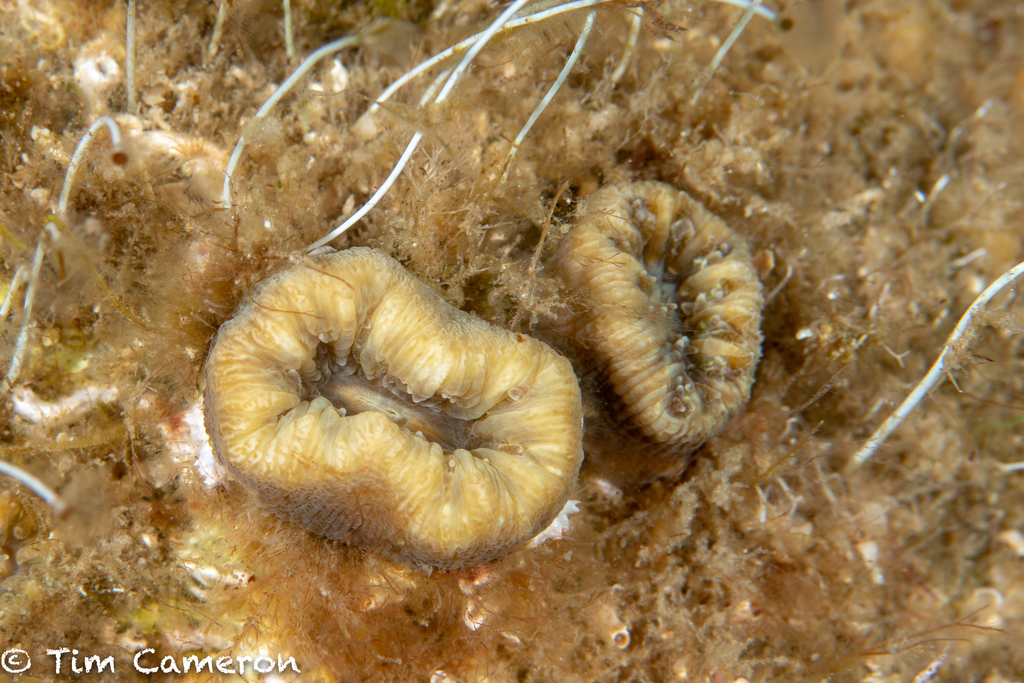
Cup Coral
Seen 5 months ago
at South Chichijima Wall
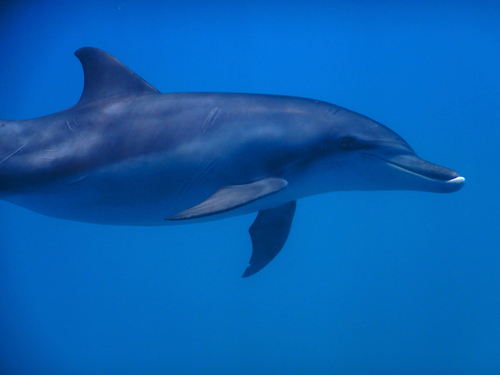
Indo-Pacific bottlenose dolphin
Seen Sep 2025
at Chichijima Dolphin Swim
Near threatened
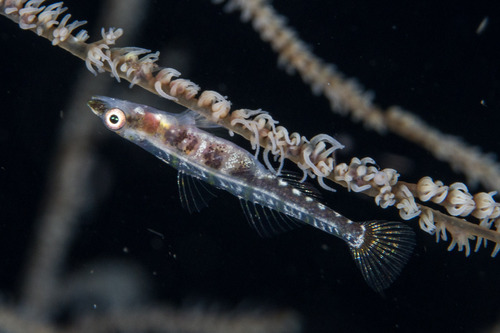
Black Coral
Seen year round
at South Chichijima Wall
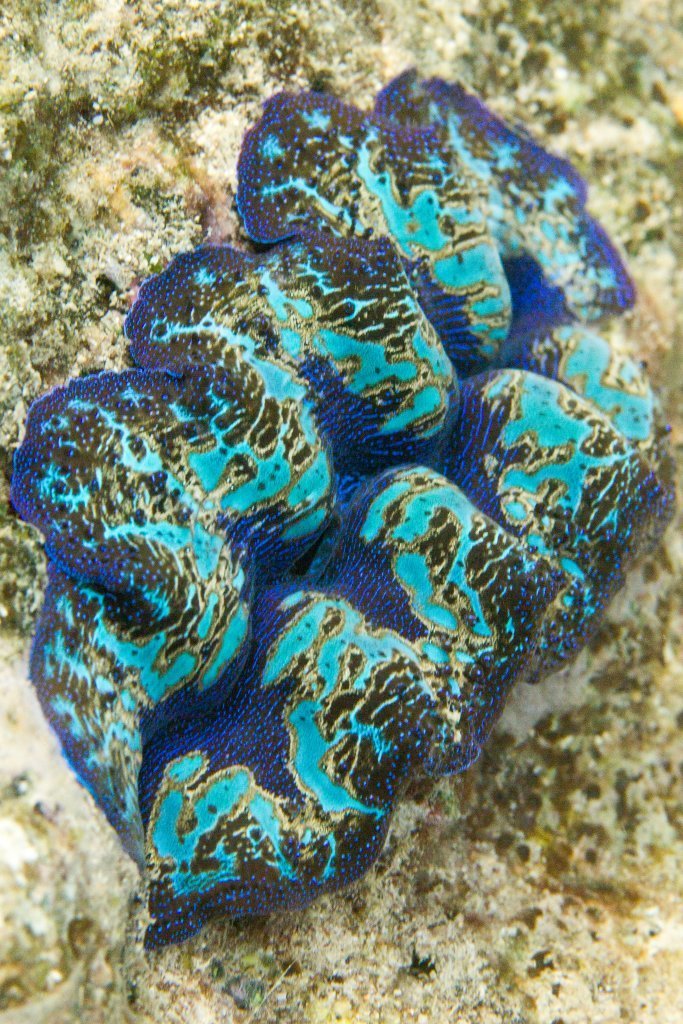
Giant Clam
Seen year round
at Minamijima Arch
Least concern
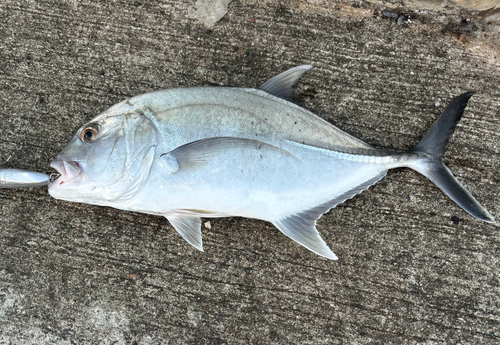
Giant Trevally
Seen year round
at Hahajima Hammerhead Point
Least concern
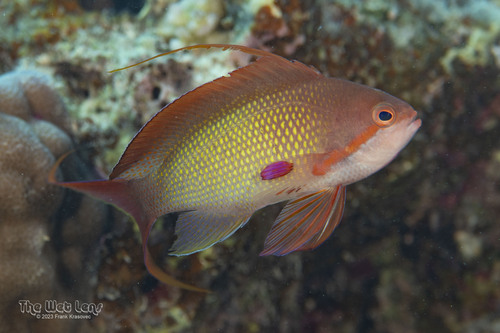
Golden Anthias
Seen year round
at Minamijima Arch
Least concern
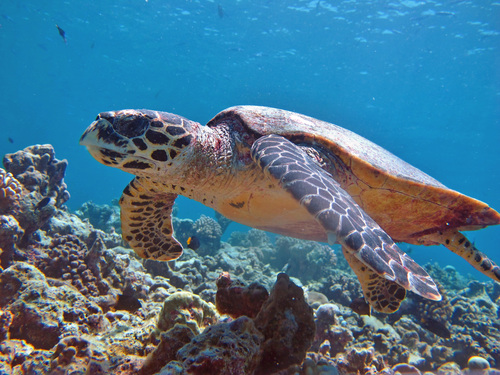
Hawksbill Turtle
Seen year round
at South Chichijima Wall
Critically endangered
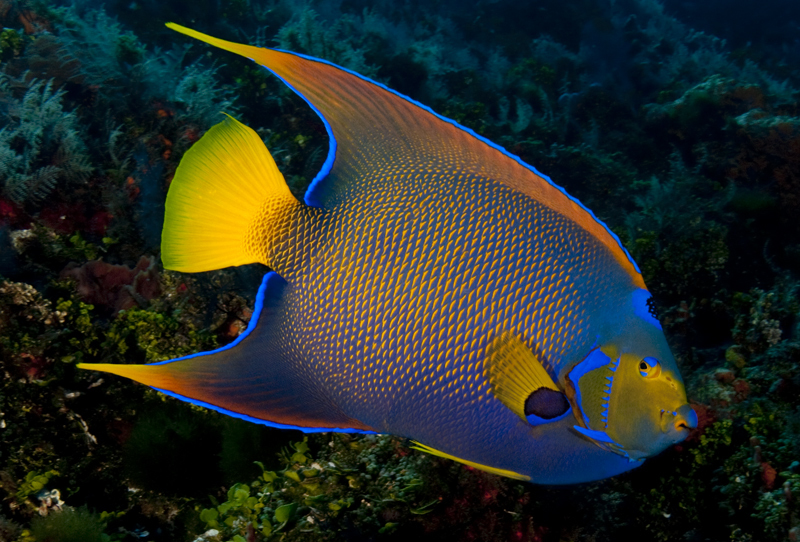
Longface Butterflyfish
Seen year round
at Minamijima Arch
Scorpionfish
Seen year round
at South Chichijima Wall
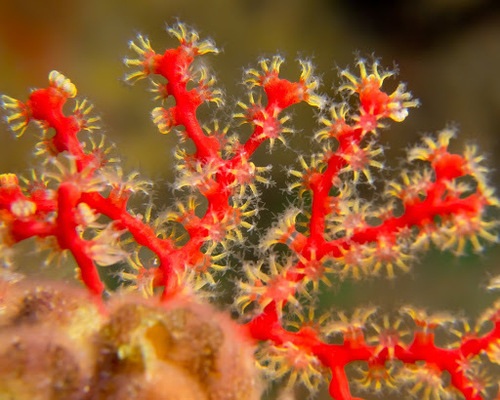
Sea Fan
Seen year round
at South Chichijima Wall
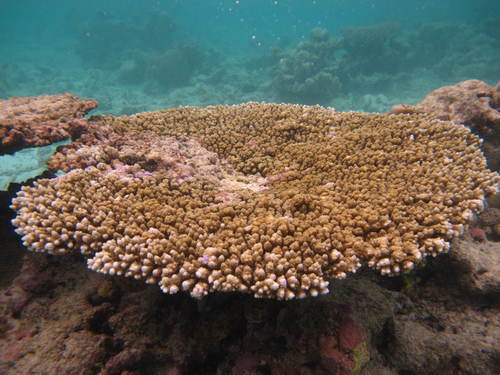
Tabletop Coral
Seen year round
at Minamijima Arch
Endangered
Tasseled Scorpionfish
Seen year round
at Chichijima Dolphin Reef
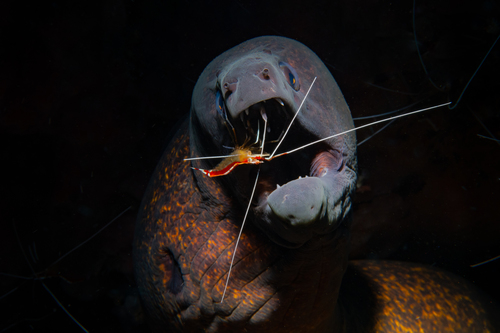
Yellowmargin Moray Eel
Seen year round
at South Chichijima Wall
Least concern
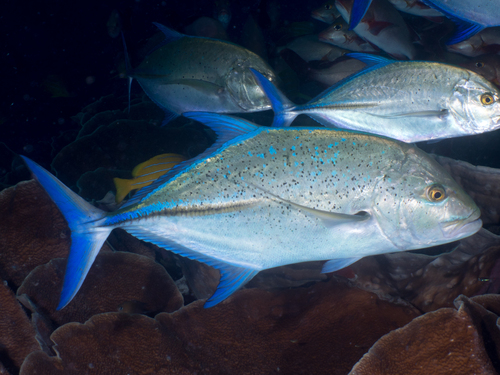
Bluefin Trevally
Seasonal visitor
at Hahajima Hammerhead Point
Least concern
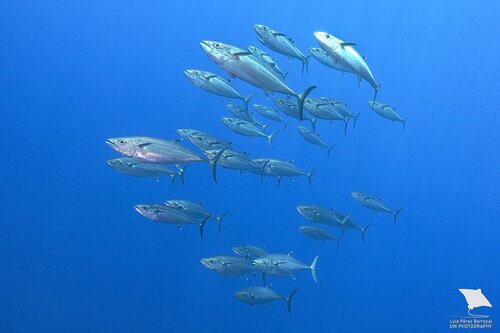
Dogtooth tuna
Seasonal visitor
at Chichijima Dolphin Swim
Least concern
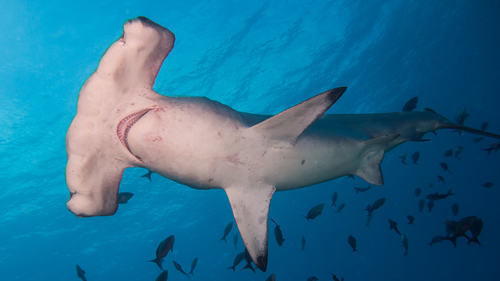
Hammerhead Shark
Seasonal visitor
at Ogasawara Islands
Critically endangered
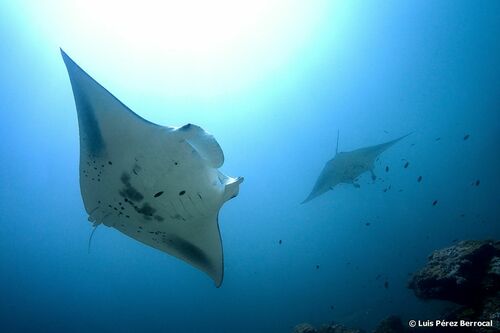
Manta Ray
Seasonal visitor
at Ogasawara Islands
Vulnerable
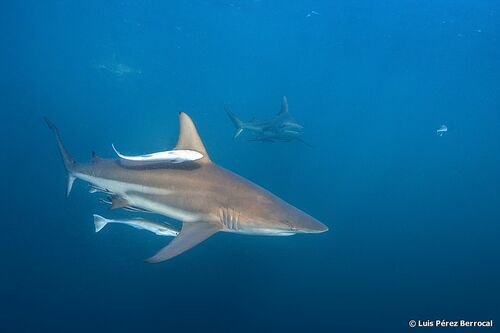
Oceanic Blacktip Shark
Seasonal visitor
at Hahajima Hammerhead Point
Vulnerable

Oceanic Whitetip Shark
Seasonal visitor
at South Chichijima Wall
Critically endangered
Scalloped Hammerhead Shark
Seasonal visitor
at Hahajima Hammerhead Point
Critically endangered
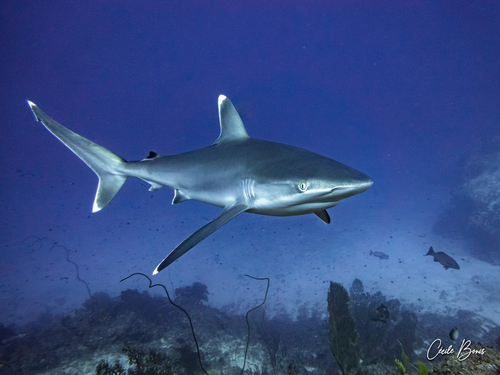
Silvertip Shark
Seasonal visitor
at Hahajima Hammerhead Point
Vulnerable
Sperm whale
Seasonal visitor
at Chichijima Dolphin Swim
Vulnerable
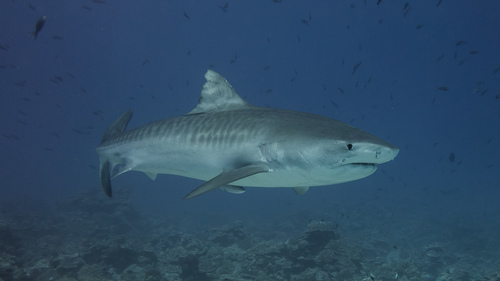
Tiger Shark
Seasonal visitor
at Hahajima Hammerhead Point
Near threatened
Dive sites
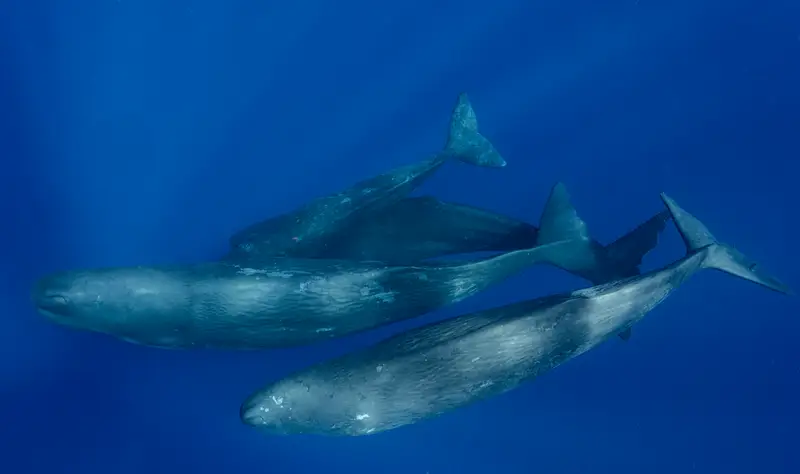
Chichijima Dolphin Swim
indo-pacific bottlenose dolphin · spinner dolphin · humpback whale · sperm whale
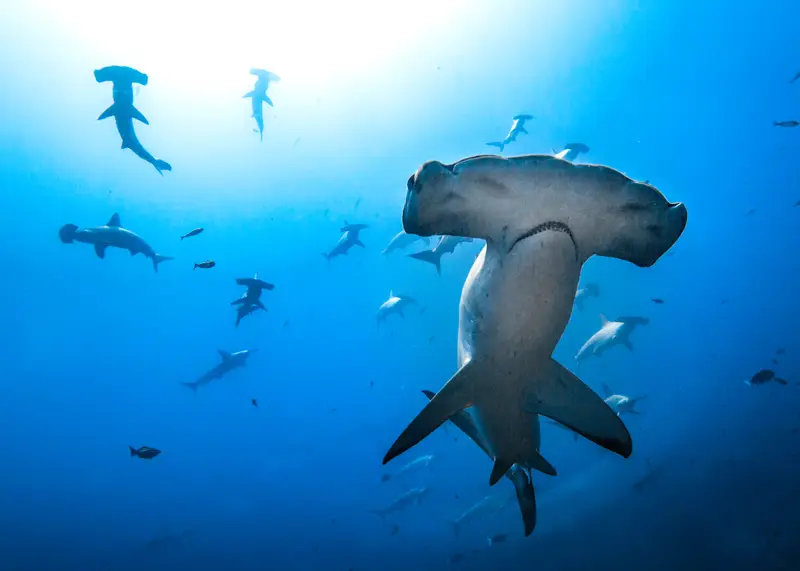
Ogasawara Islands
spinner dolphin · green sea turtle · whitetip reef shark · hammerhead shark
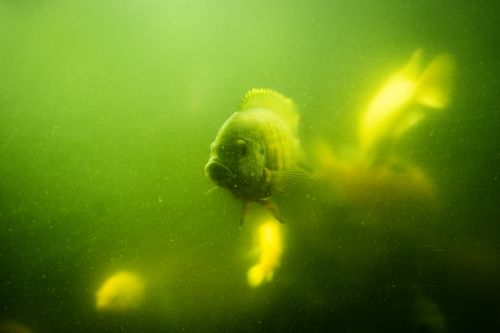
Minamijima Arch
green sea turtle · whitetip reef shark · wrought-iron butterflyfish · golden anthias
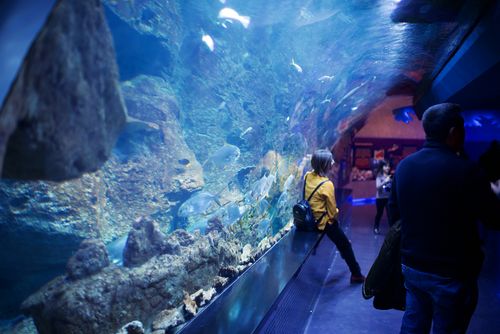
South Chichijima Wall
hawksbill turtle · dogtooth tuna · yellowfin goatfish · black coral
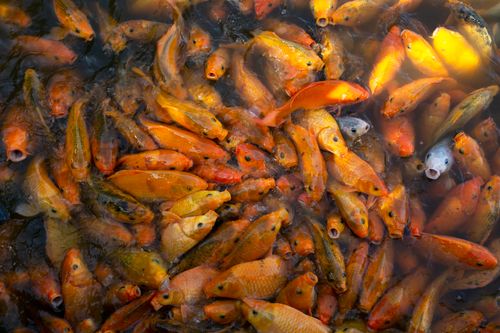
Hahajima Hammerhead Point
scalloped hammerhead shark · oceanic blacktip shark · silvertip shark · tiger shark
Chichijima Dolphin Reef
indo-pacific bottlenose dolphin · spinner dolphin · wrought-iron butterflyfish · sperm whale
What divers say
The 24-hour boat ride is part of the trip. By the time you arrive, you've earned the diving.
Good to know
Permits
World Heritage site rules limit dive impact. Book through licensed local ops only.