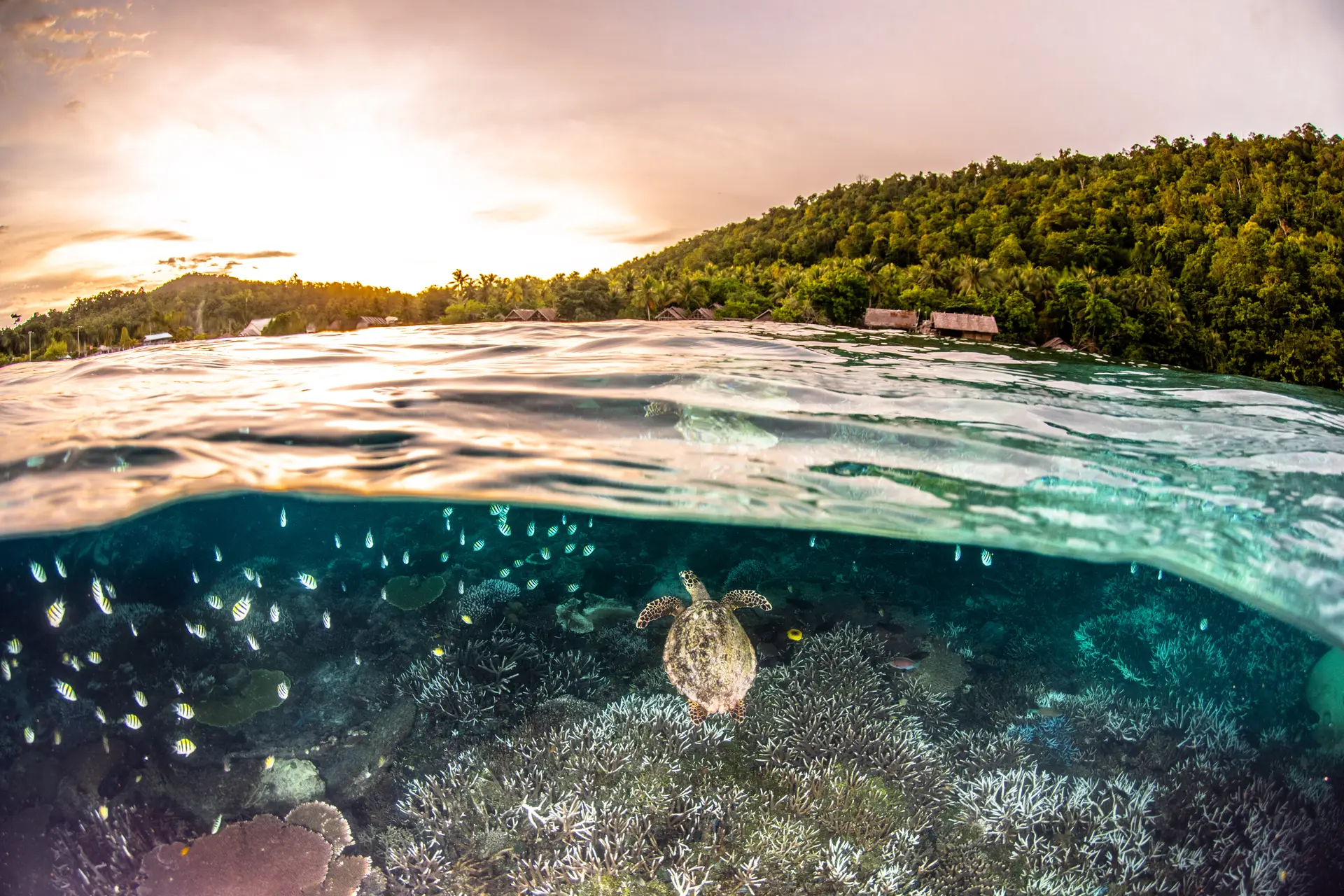
Tulamben
Indonesia · Bali
A black sand fishing village on Bali's northeast coast, Tulamben is built around the USAT Liberty — a 120m WWII wreck that sits 30m from the beach in 5–30m of water. The wreck is famous, but the macro on the surrounding muck and the drop off at the next bay over make it a full week's diving without a boat.
How this reef is doing
ⓘ How we measure thisReef state
USS Liberty wreck is the main draw. Surrounding reef has thinned modestly since 2010 but macro and muck diving here don't depend on cover.
Coral cover
Fish life
More fish than a healthy reef of its kind.
Heat
No unusual heat right now.
Fishing
Some fishing is allowed here, in marked zones.
Sources · MERMAID and the survey teams · Reef Life Survey · NOAA Coral Reef Watch · Global Fishing Watch and reef gravity
Coral cover over time
Live coral cover, by survey year
Across 16 survey years from 2009 to 2025, live coral cover here has fallen from 61% to 54%. Every point is a real survey reading, never a projection.
Live coral cover, percent by year
| Year | Coral cover |
|---|---|
| 2009 | 61% |
| 2010 | 41% |
| 2011 | 41% |
| 2012 | 44% |
| 2013 | 39% |
| 2015 | 48% |
| 2016 | 38% |
| 2017 | 39% |
| 2018 | 26% |
| 2019 | 23% |
| 2020 | 36% |
| 2021 | 30% |
| 2022 | 22% |
| 2023 | 22% |
| 2024 | 29% |
| 2025 | 54% |
What you will see
30 species across the dive sites here
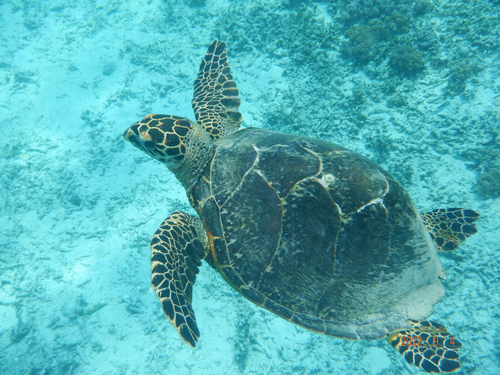
Hawksbill Sea Turtle
Seen 3 months ago
at Nusa Penida
Critically endangered
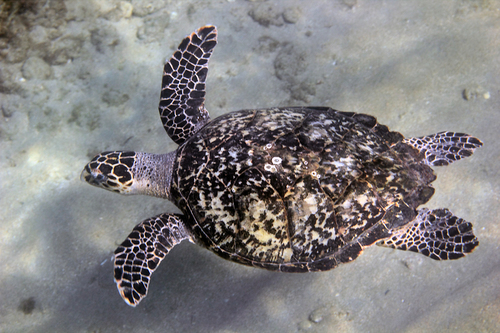
Hawksbill turtle
Seen 3 months ago
at The Drop-Off
Critically endangered
Blacklip Butterflyfish
Seen 3 months ago
at Nusa Penida
Least concern
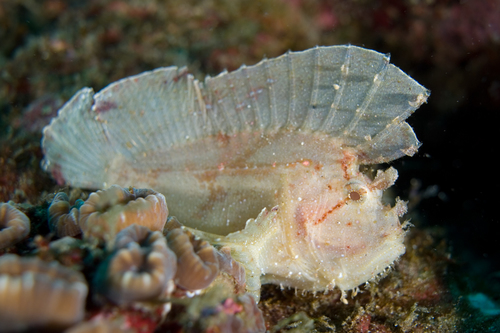
Leaf scorpionfish
Seen 3 months ago
at The Drop-Off
Least concern
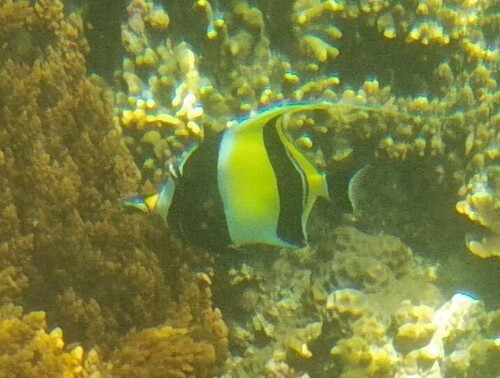
Moorish Idol
Seen 3 months ago
at Nusa Penida
Least concern
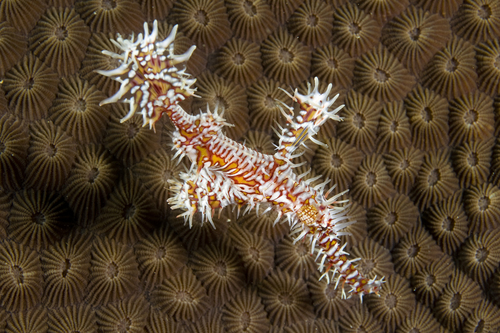
Ornate Ghostpipefish
Seen 3 months ago
at The Drop-Off
Least concern
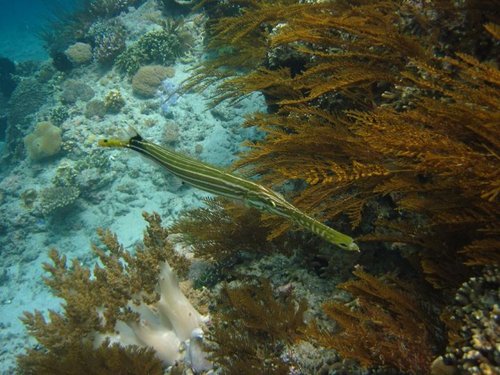
Pacific Trumpetfish
Seen 3 months ago
at Nusa Penida
Least concern
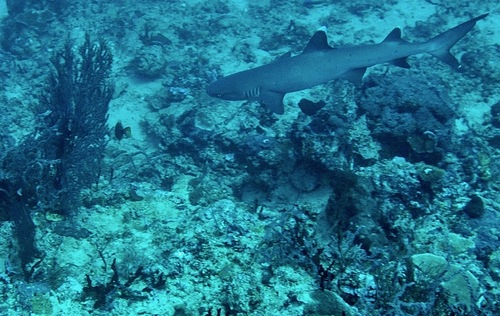
Whitetip reef shark
Seen 3 months ago
at Crystal Bay (Nusa Penida)
Vulnerable
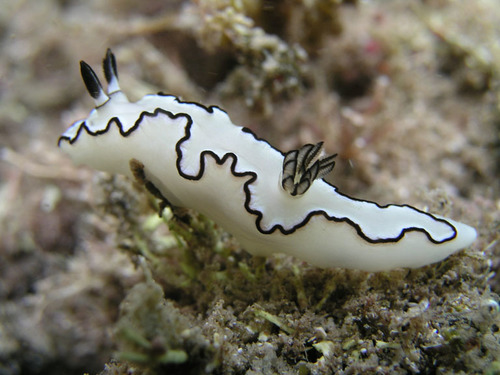
Black-Margined Nudibranch
Seen 3 months ago
at The Drop-Off
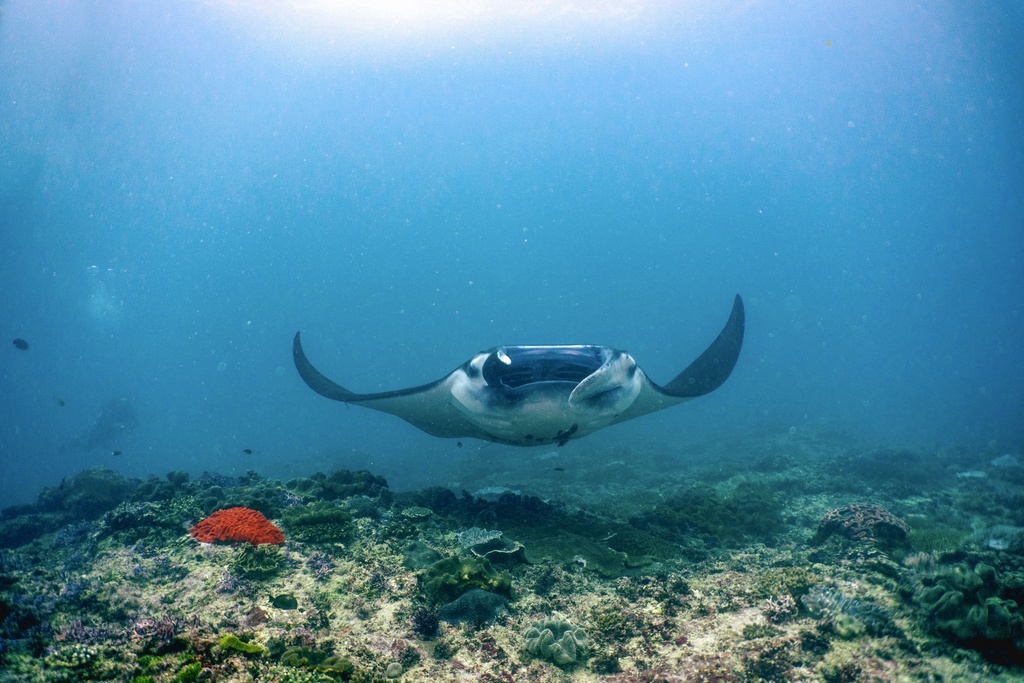
Reef manta ray
Seen 3 months ago
at Manta Point (Nusa Penida)
Vulnerable
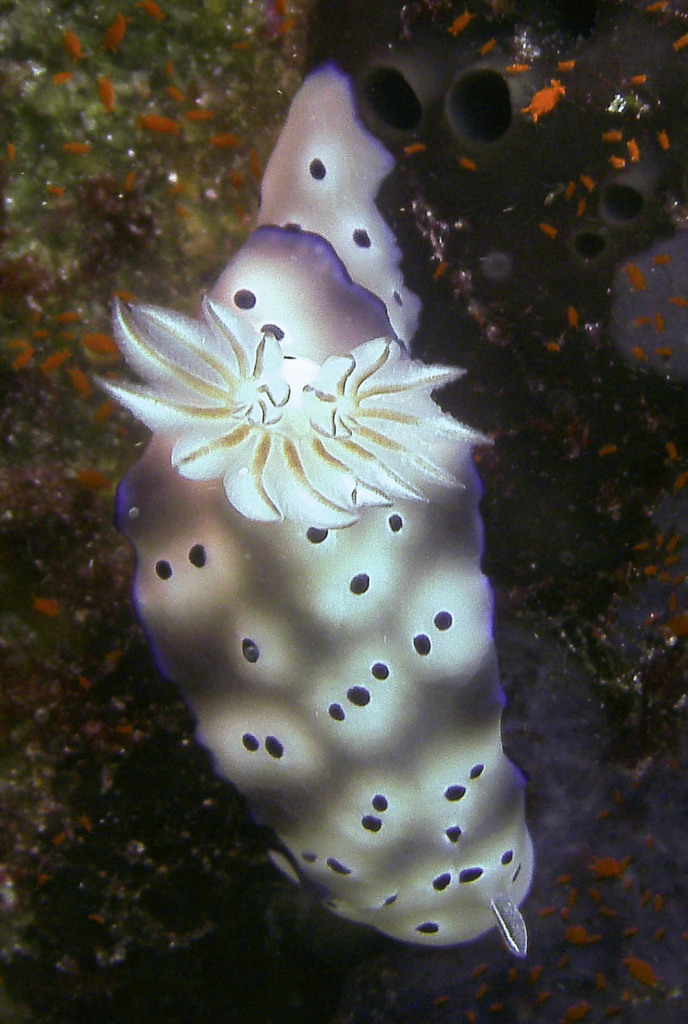
Tryon'S Hypselodoris
Seen 3 months ago
at The Drop-Off
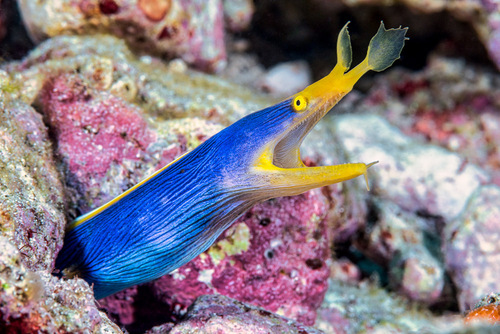
Ribbon eel
Seen 3 months ago
at USS Liberty Wreck
Least concern
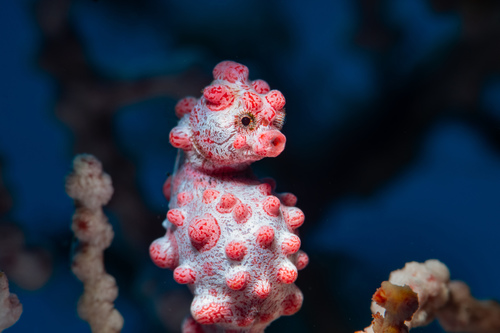
Pygmy seahorse
Seen 3 months ago
at USS Liberty Wreck
Least concern
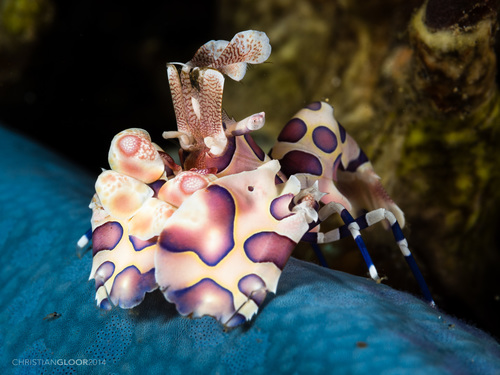
Harlequin shrimp
Seen 3 months ago
at Coral Garden
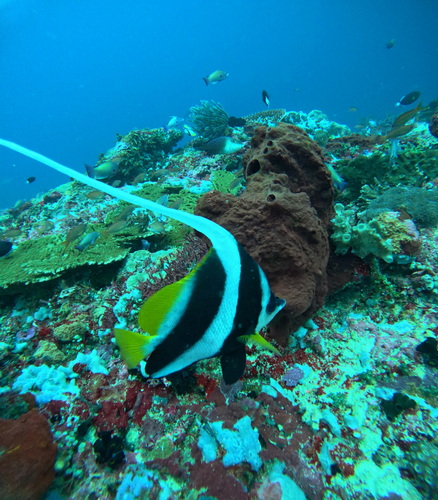
Bannerfish
Seen 3 months ago
at Crystal Bay (Nusa Penida)
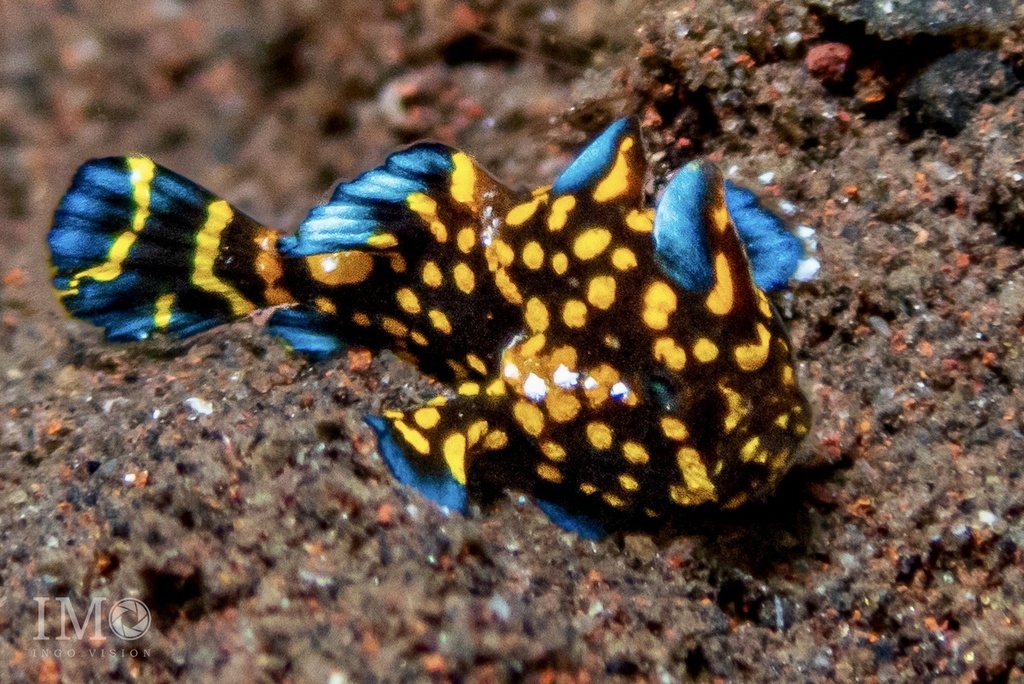
Painted frogfish
Seen 4 months ago
at Coral Garden
Least concern
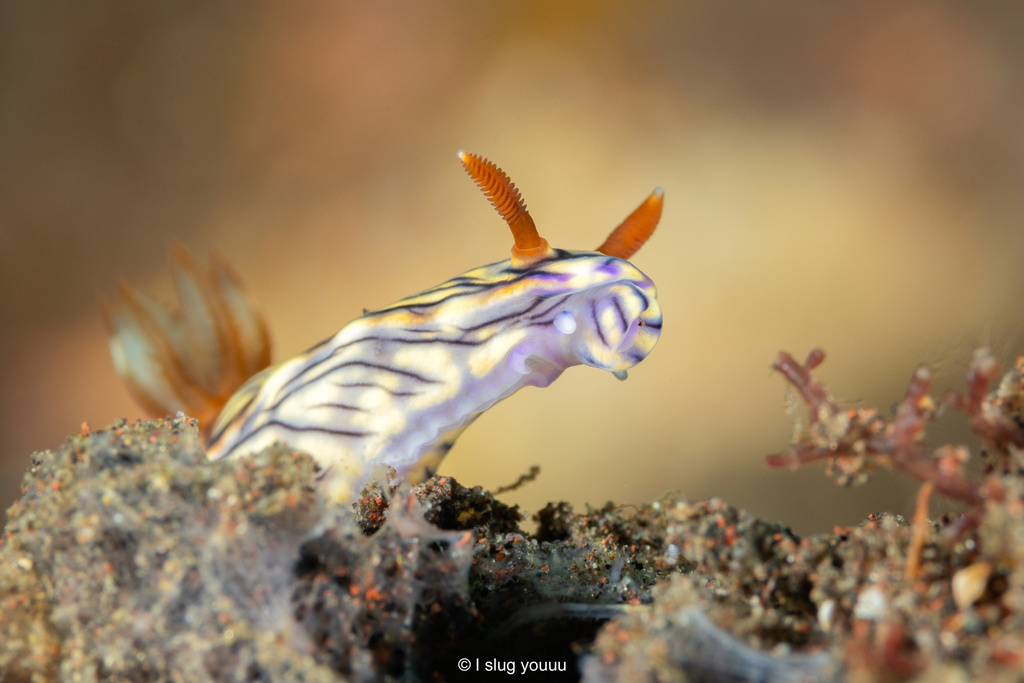
Zephyr Hypselodoris
Seen 4 months ago
at The Drop-Off
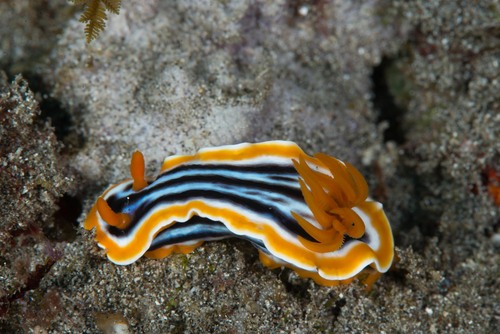
Magnificent Chromodoris
Seen 4 months ago
at Nusa Penida
Clark's Anemonefish
Seen 4 months ago
at Nusa Penida
Least concern
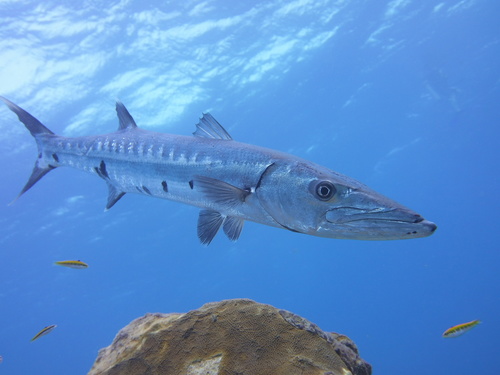
Great barracuda
Seen 4 months ago
at USS Liberty Wreck
Least concern
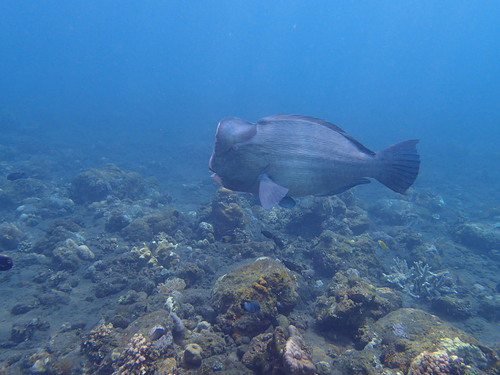
Bumphead parrotfish
Seen 4 months ago
at USS Liberty Wreck
Vulnerable
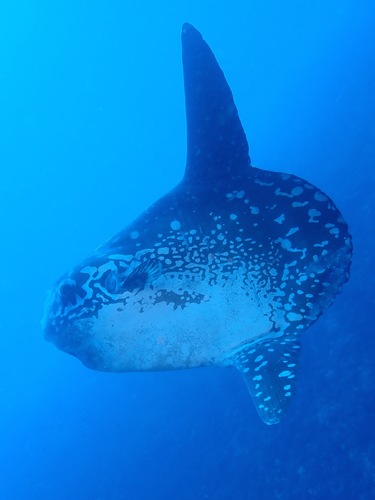
Ocean sunfish (bumphead mola)
Seen 4 months ago
at Crystal Bay (Nusa Penida)
Ocean sunfish (mola)
Seen 4 months ago
at Manta Point (Nusa Penida)
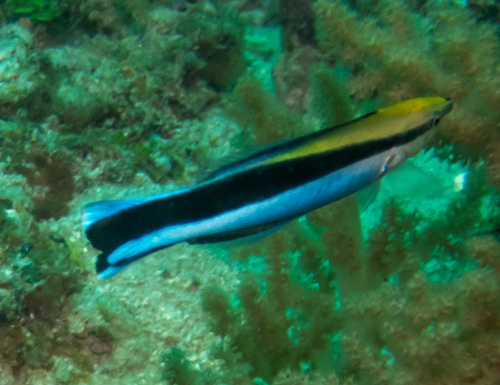
Bluestreak cleaner wrasse
Seen 5 months ago
at Manta Point (Nusa Penida)
Least concern
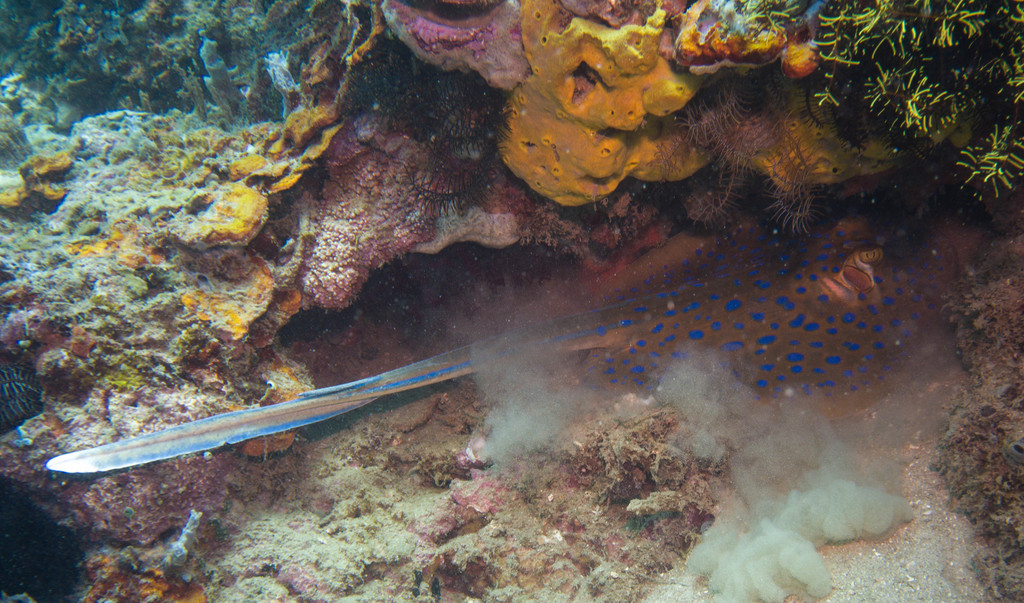
Bluespotted ribbontail ray
Seen 6 months ago
at Crystal Bay (Nusa Penida)
Least concern
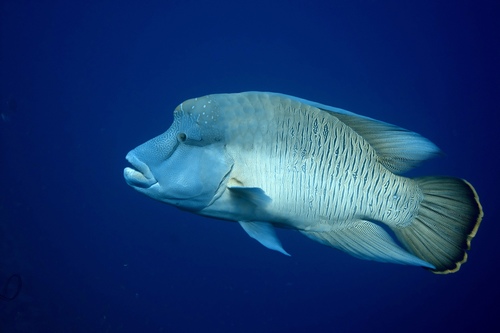
Napoleon wrasse
Seen 6 months ago
at The Drop-Off
Endangered
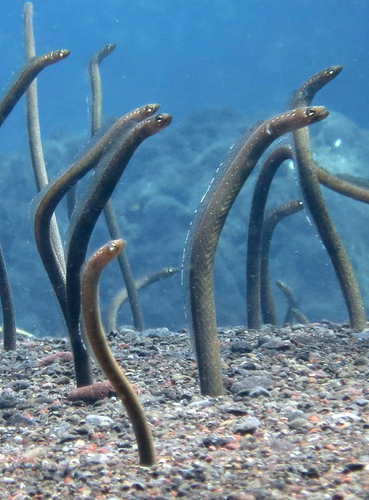
Garden eels
Seen 10 months ago
at Coral Garden
Least concern
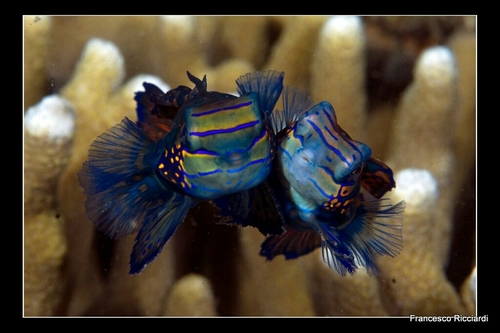
Mandarinfish
Seen year round
at Coral Garden
Least concern
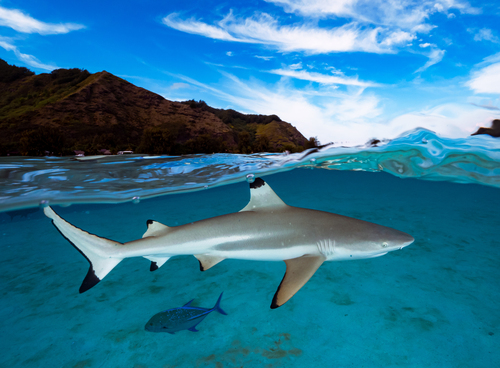
Blacktip reef shark
Rare sighting
at USS Liberty Wreck
Vulnerable
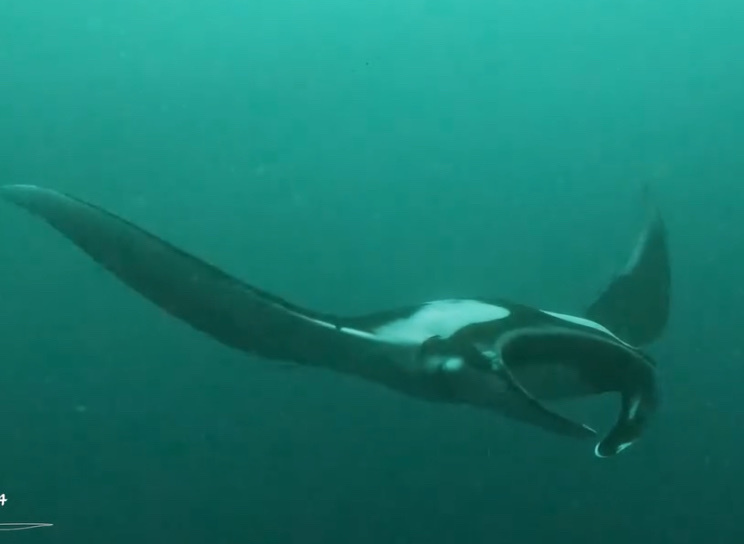
Oceanic manta ray
Rare sighting
at Manta Point (Nusa Penida)
Endangered
Dive sites
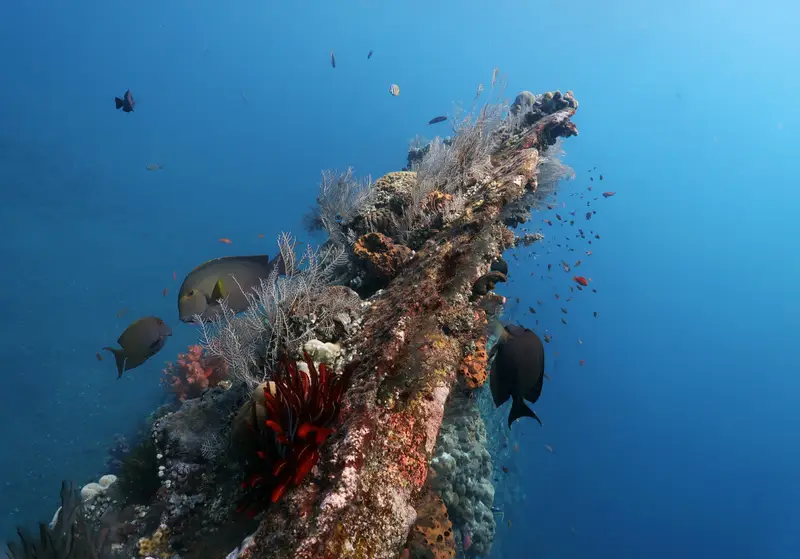
USS Liberty Wreck
bumphead parrotfish · great barracuda · pygmy seahorse · ribbon eel
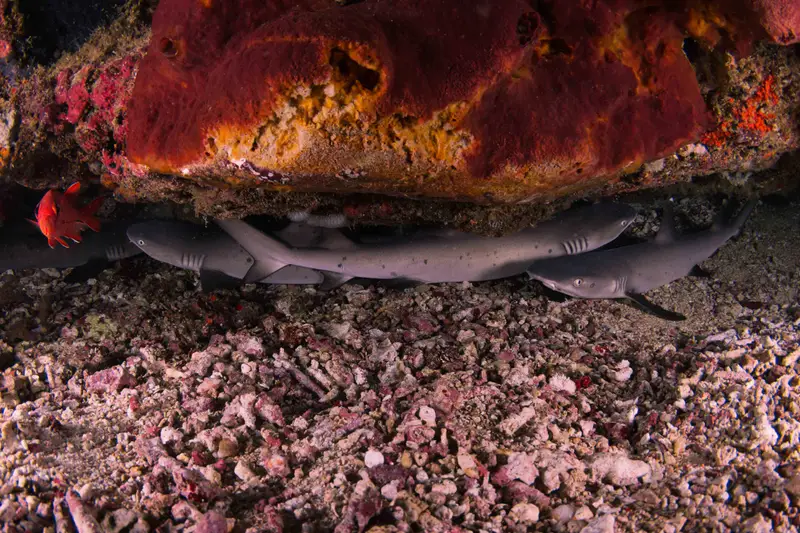
The Drop-Off
whitetip reef shark · napoleon wrasse · hawksbill turtle · leaf scorpionfish
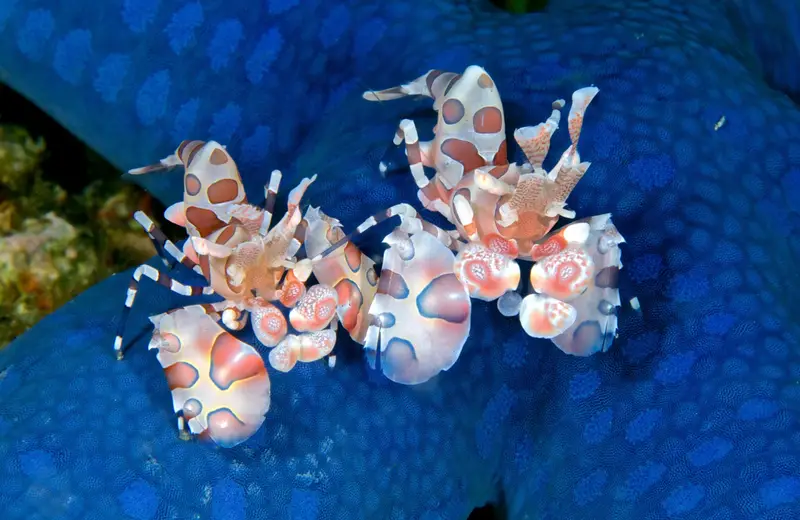
Coral Garden
painted frogfish · harlequin shrimp · mandarinfish · garden eels
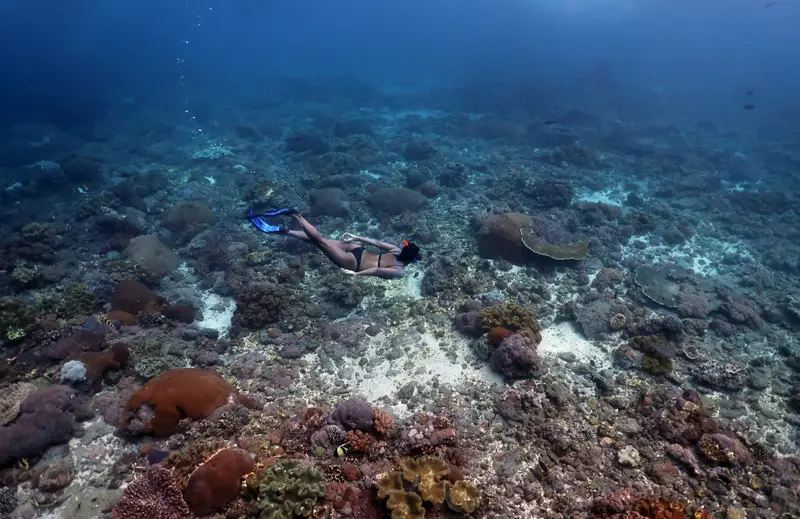
Manta Point (Nusa Penida)
reef manta ray · oceanic manta ray · bluestreak cleaner wrasse · whitetip reef shark
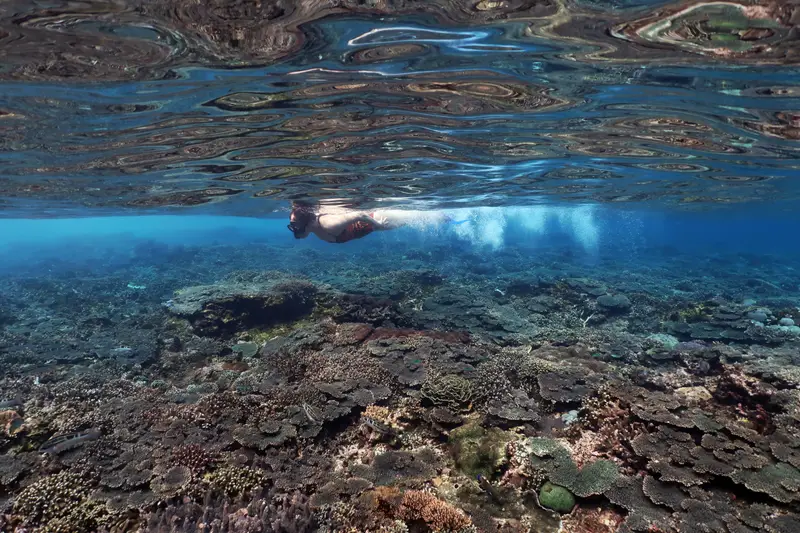
Crystal Bay (Nusa Penida)
ocean sunfish (bumphead mola) · bannerfish · whitetip reef shark · bluespotted ribbontail ray
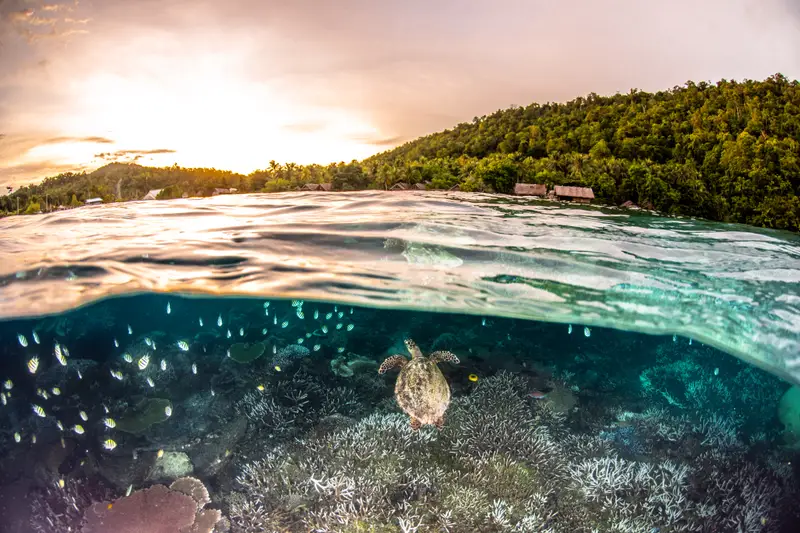
Nusa Penida
reef manta ray · blacklip butterflyfish · moorish idol · hawksbill sea turtle
What divers say
Nowhere else can I do four shore dives a day on a world class wreck and walk back to a warung for nasi goreng between them.
Good to know
Early-morning crowds
Liberty gets busy by 9am with day trippers. Stay locally and dive it at sunrise — it's a different wreck.
Cobble entry
Booties with stiff soles save ankles. The walk in is the hardest part of the dive.