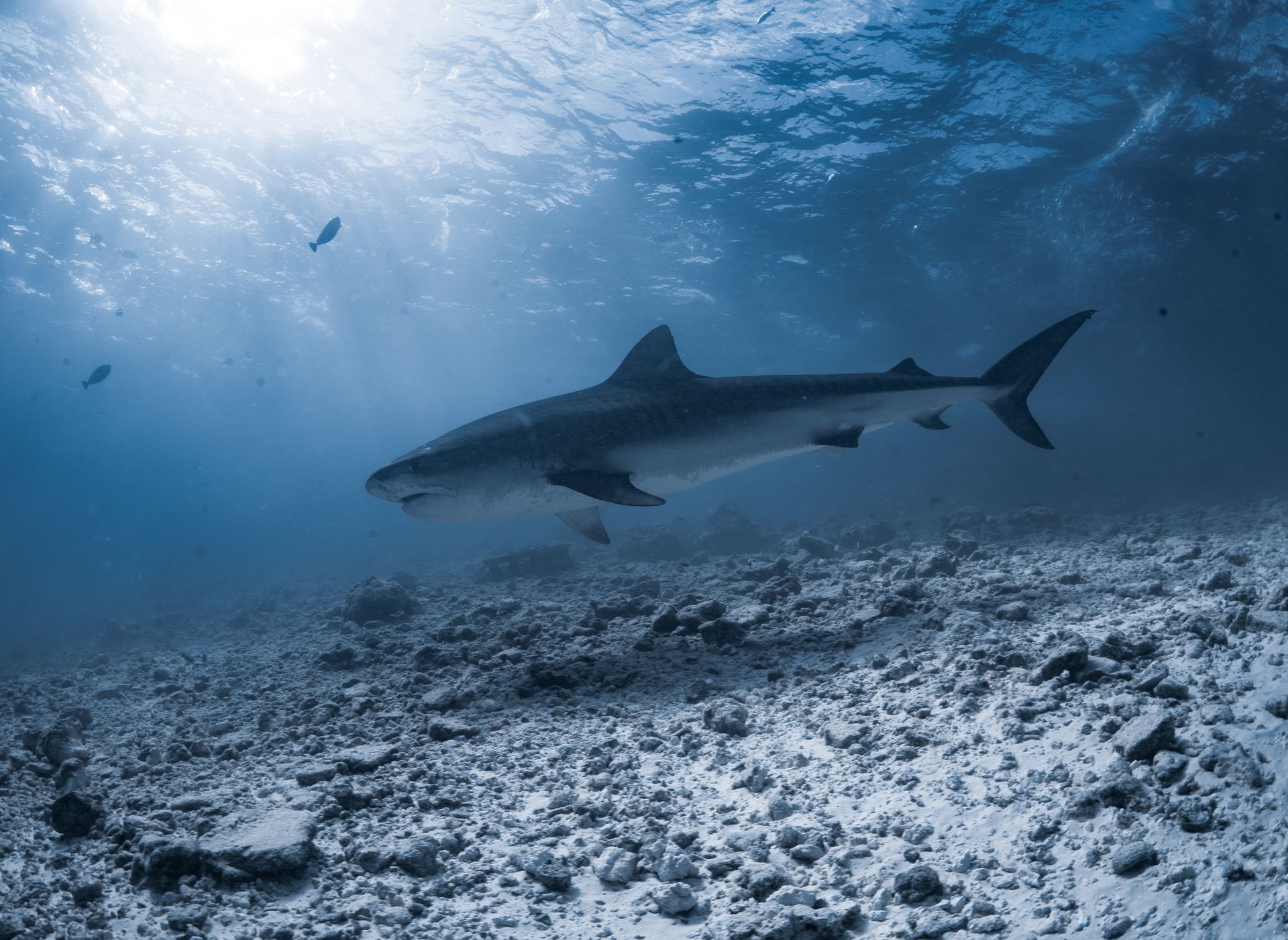
Blue Corner
Palau · Micronesia
Blue Corner is a reef hook dive: you clip into the wall and watch schools of jacks, barracuda, grey reefs, and the occasional eagle ray patrol the corner where the current splits. Palau itself adds Jellyfish Lake, German Channel manta cleaning stations, and a couple of WWII wrecks.
How this reef is doing
ⓘ How we measure thisReef state
Blue Corner shark current still produces. Outer reefs buffered by oceanic upwelling. Inner lagoon reefs show more bleaching — skip the inside in favour of the channels.
Coral cover
Fish life
Heat
Warmer than usual right now, but not hot enough to bleach.
Fishing
Quiet water, and fishing is fully banned here.
Sources · MERMAID and the survey teams · NOAA Coral Reef Watch · Global Fishing Watch and reef gravity
Coral cover over time
Live coral cover, by survey year
Across surveys in 2024 and 2026, live coral cover here has fallen from 45% to 19%. Every point is a real survey reading, never a projection.
Live coral cover, percent by year
| Year | Coral cover |
|---|---|
| 2024 | 45% |
| 2026 | 19% |
What you will see
29 species across the dive sites here
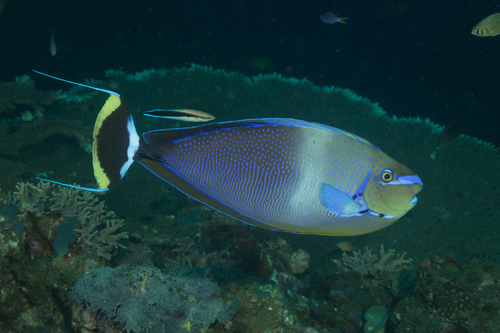
Bignose Unicornfish
Seen 3 months ago
at German Channel
Least concern
Batfish
Seen 3 months ago
at Iro Maru
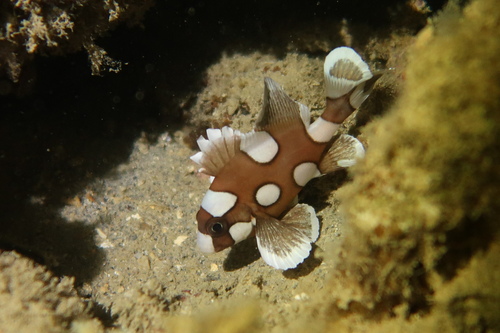
Harlequin Sweetlips
Seen 3 months ago
at Blue Holes
Least concern
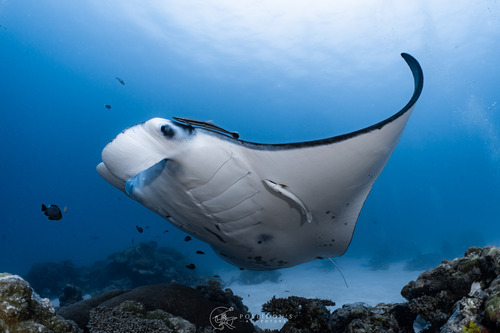
Reef manta ray
Seen 3 months ago
at German Channel
Vulnerable
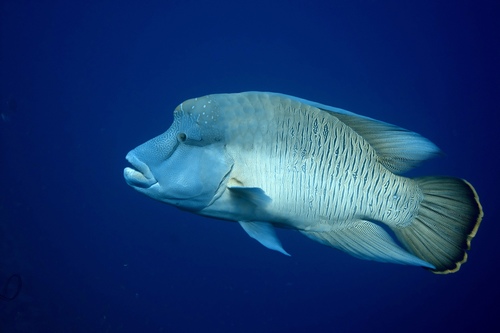
Napoleon Wrasse
Seen 4 months ago
at German Channel
Endangered
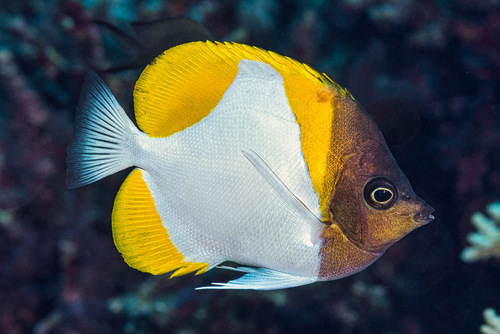
Pyramid Butterflyfish
Seen 4 months ago
at German Channel
Least concern
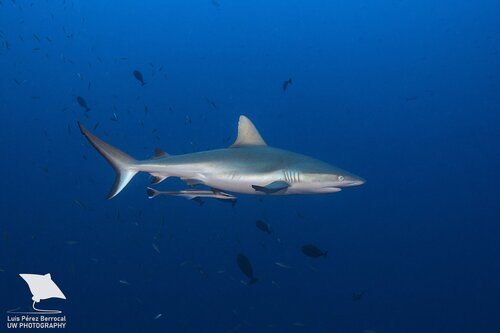
Grey reef shark
Seen 4 months ago
at German Channel
Endangered
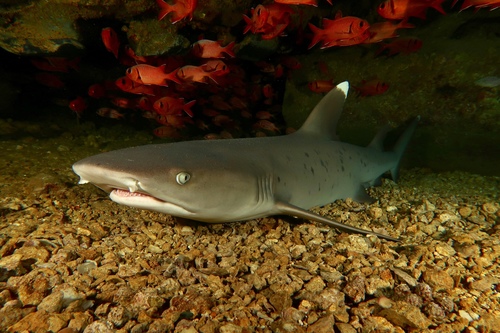
Whitetip Reef Shark
Seen 4 months ago
at German Channel
Vulnerable
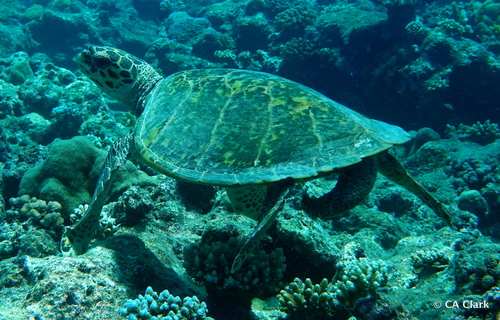
Hawksbill turtle
Seen 4 months ago
at Big Drop-Off
Critically endangered
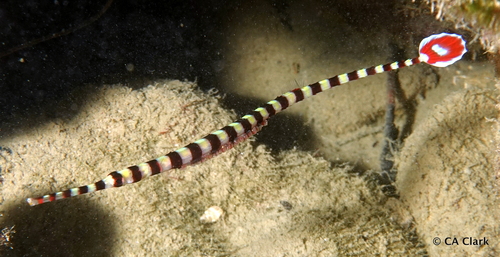
Banded pipefish
Seen 4 months ago
at Helmet Wreck
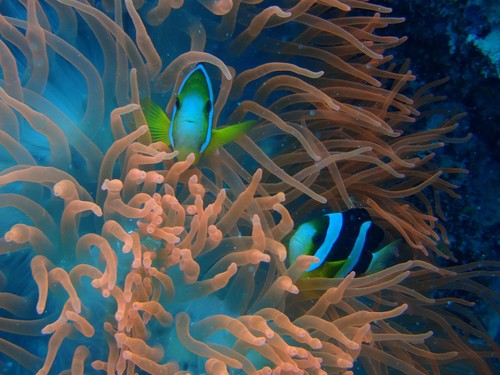
Anemonefish
Seen 5 months ago
at Iro Maru
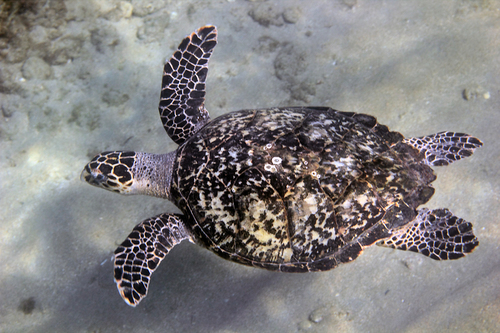
Hawksbill Sea Turtle
Seen 6 months ago
at Blue Holes
Critically endangered
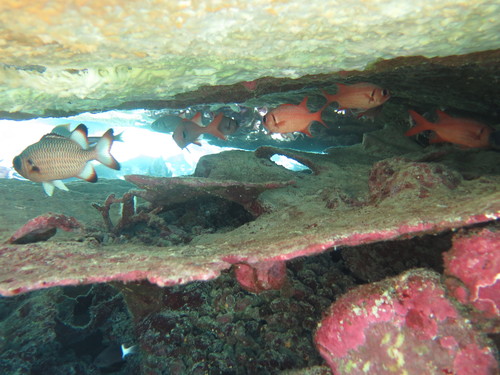
Shadowfin Soldierfish
Seen 6 months ago
at Blue Holes
Least concern
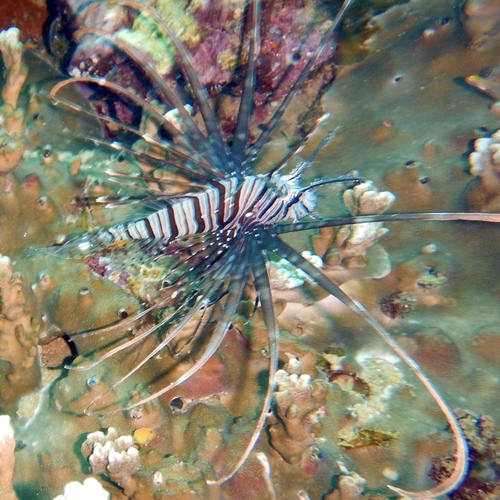
Lionfish
Seen 6 months ago
at Iro Maru
Least concern
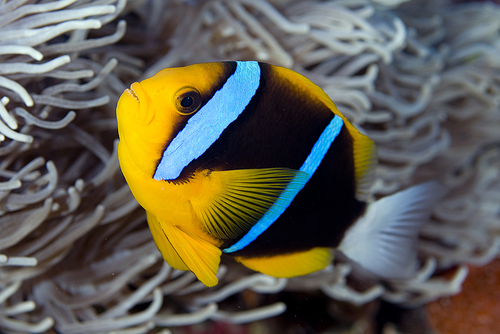
Orangefin Anemonefish
Seen 6 months ago
at German Channel
Least concern
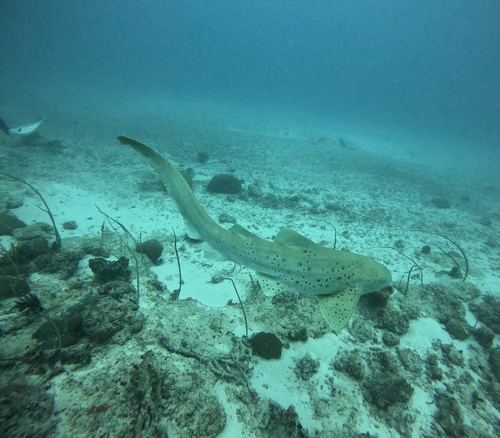
Leopard shark
Seen 6 months ago
at Big Drop-Off
Endangered
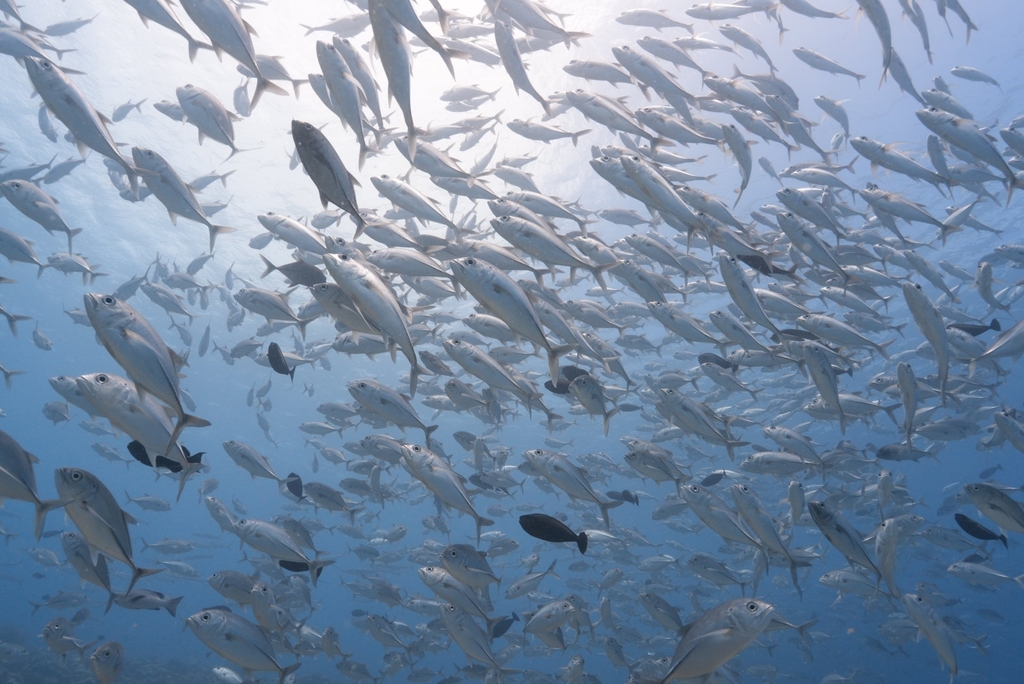
Bigeye trevally
Seen 7 months ago
at Iro Maru
Least concern
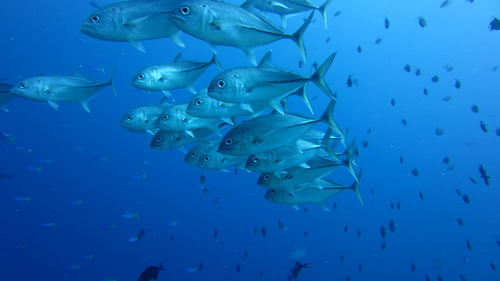
Schooling bigeye trevally
Seen 7 months ago
at Blue Holes
Least concern
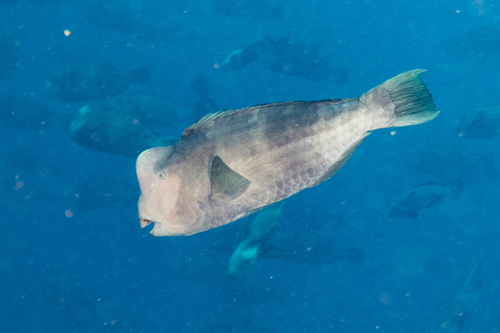
Bumphead parrotfish
Seen 8 months ago
at Peleliu Corner
Vulnerable
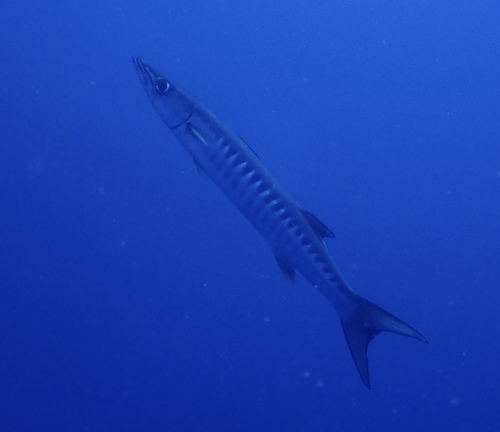
Chevron barracuda
Seen 9 months ago
at Peleliu Corner
Least concern
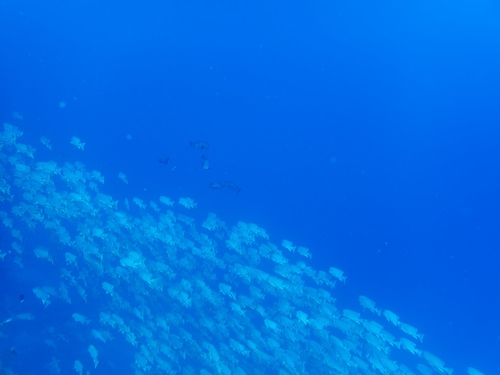
Sailfin snapper
Seen Sep 2025
at Peleliu Corner
Least concern
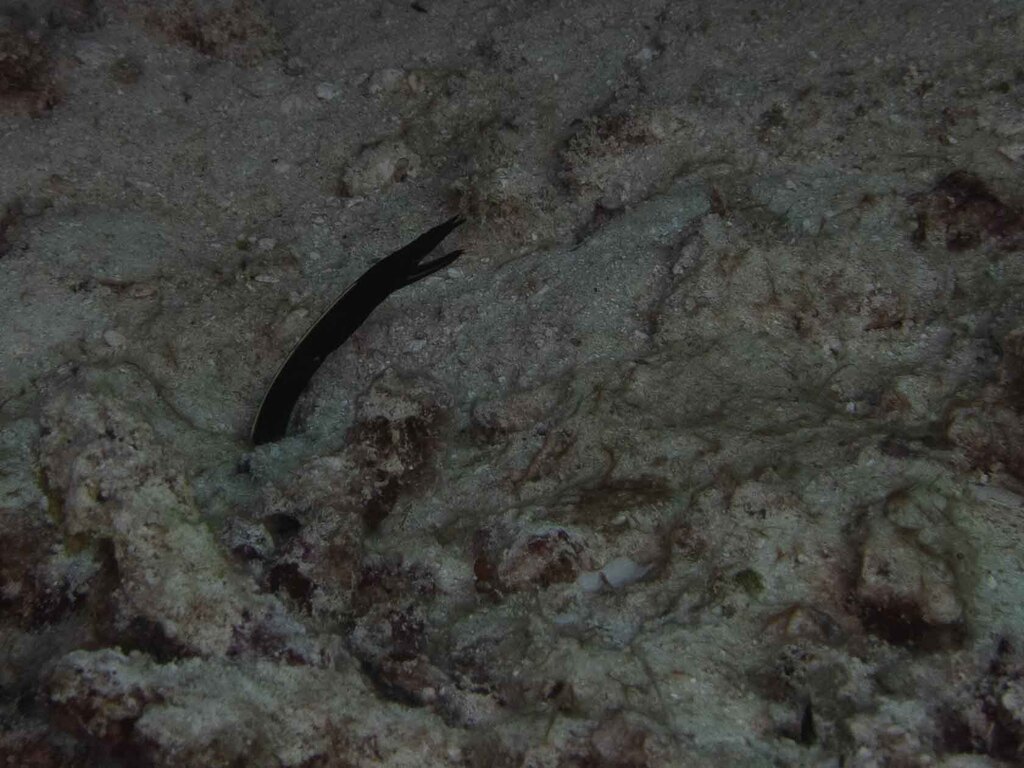
Yellow ribbon eel
Seen Aug 2025
at Helmet Wreck
Least concern
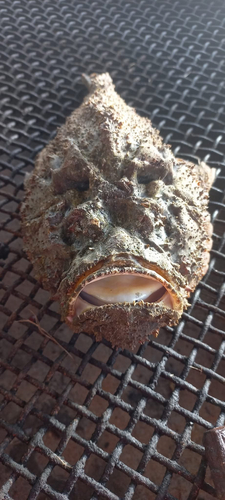
Stonefish
Seen May 2025
at Helmet Wreck
Least concern
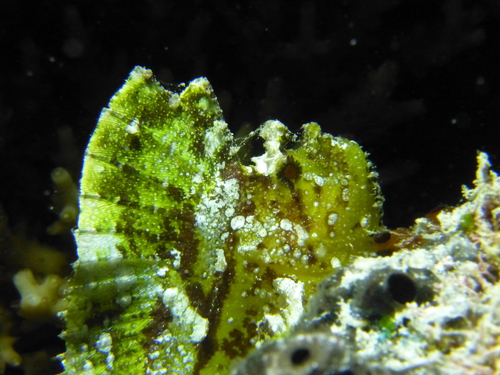
Leaf scorpionfish
Seen Apr 2025
at Big Drop-Off
Least concern
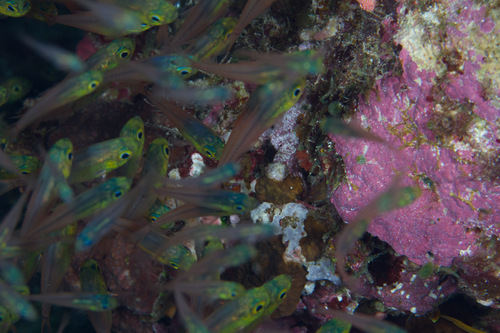
Glassfish
Seen year round
at Iro Maru
Least concern
Soft corals and sea fans
Seen year round
at Big Drop-Off
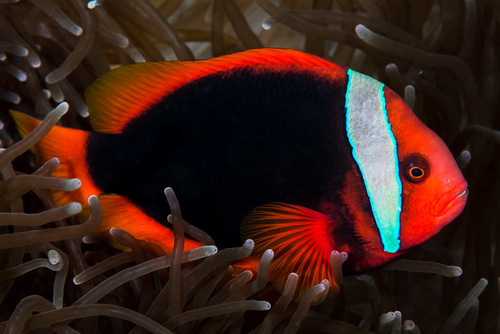
Tomato anemonefish
Seen year round
at Helmet Wreck
Least concern
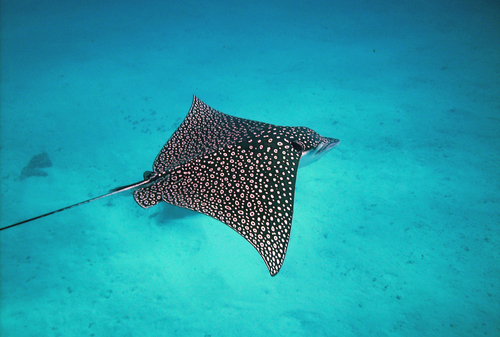
Eagle ray
Seasonal visitor
at German Channel
Endangered
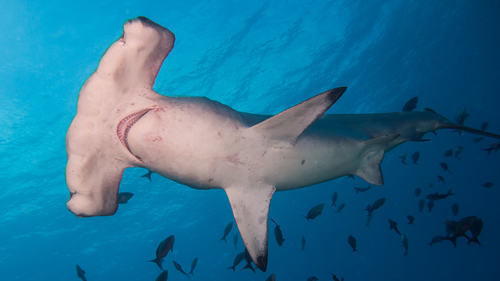
Scalloped hammerhead
Rare sighting
at Peleliu Corner
Critically endangered
Dive sites
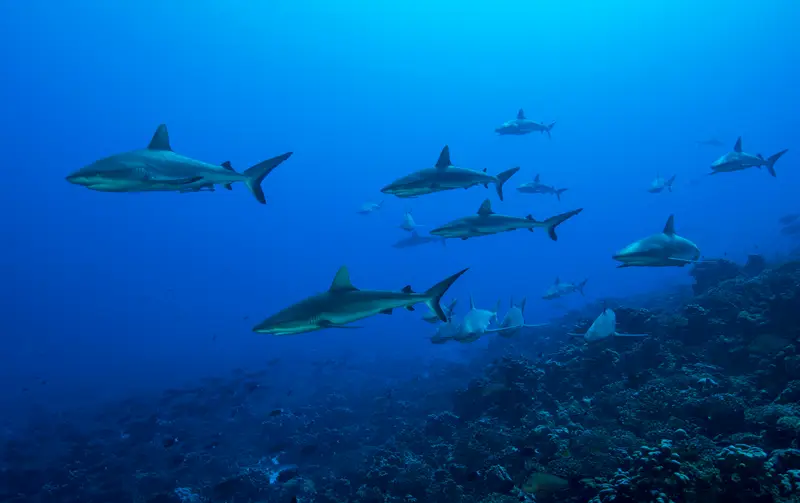
German Channel
reef manta ray · grey reef shark · eagle ray · napoleon wrasse
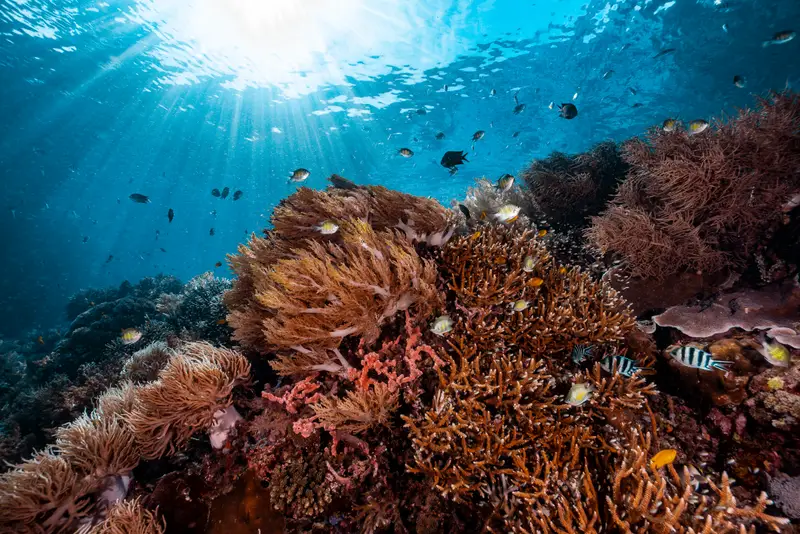
Blue Holes
grey reef shark · schooling bigeye trevally · whitetip reef shark · napoleon wrasse
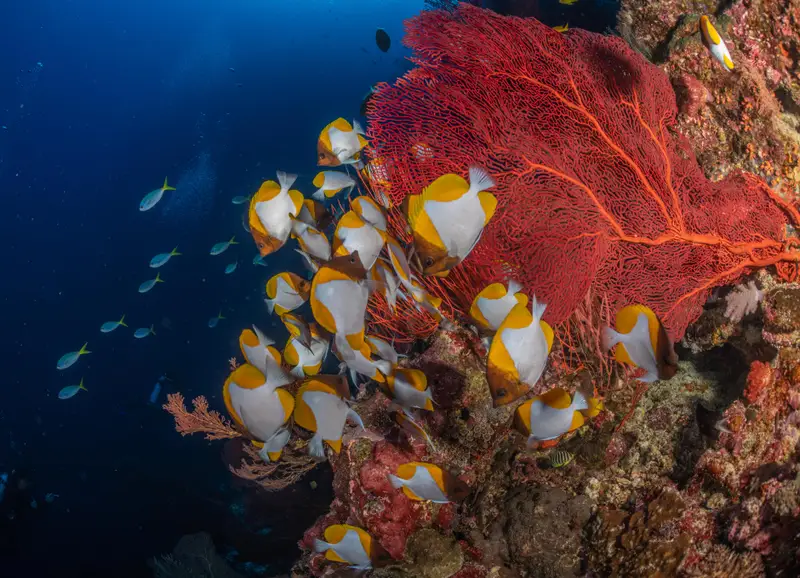
Big Drop-Off
grey reef shark · whitetip reef shark · leopard shark · hawksbill turtle
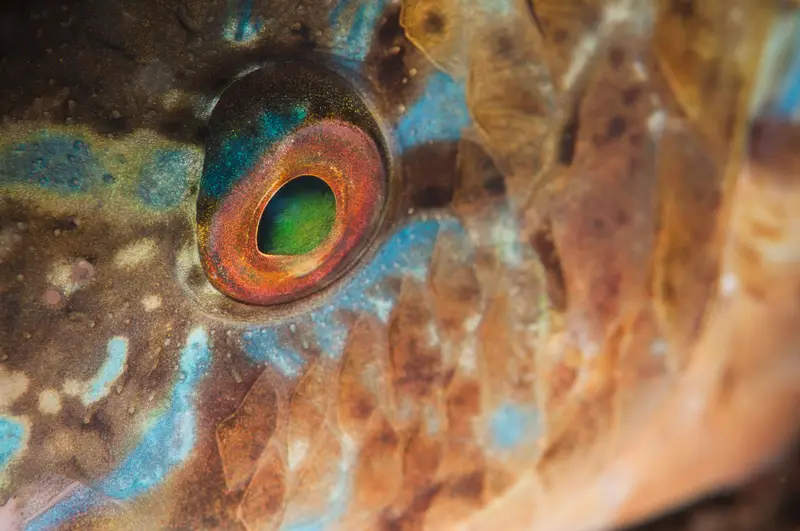
Peleliu Corner
grey reef shark · whitetip reef shark · chevron barracuda · bumphead parrotfish
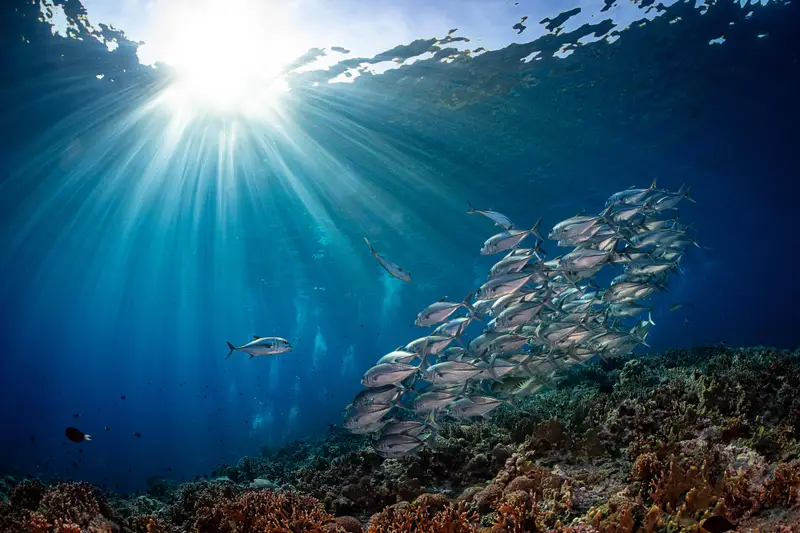
Iro Maru
anemonefish · lionfish · glassfish · batfish
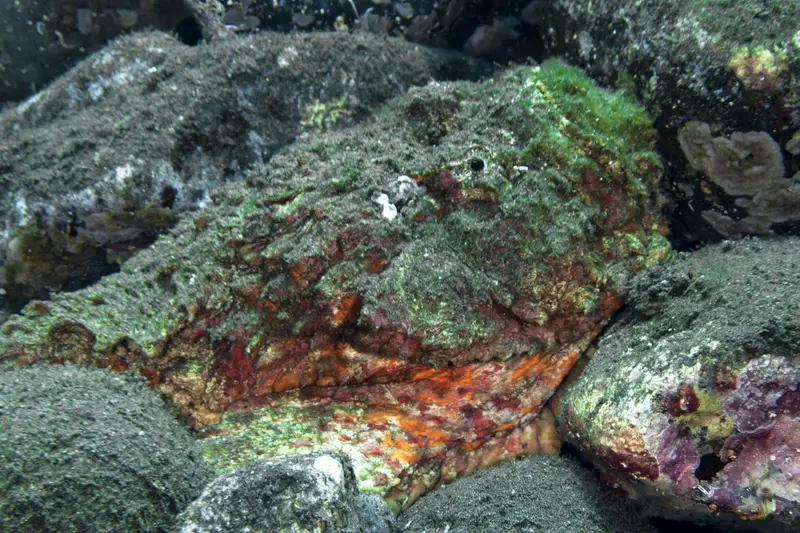
Helmet Wreck
banded pipefish · lionfish · stonefish · tomato anemonefish
What divers say
Hooked in at Blue Corner with sharks crossing every 20 seconds — there's a reason it's on every dive bucket list.
German Channel is unlike anything else — you lie still on the sandy bottom and two, sometimes three mantas come in to be cleaned directly above you. No chasing, no fin kicking, just patience.
I have dived Palau four times and still have not done everything on my list. The variety is the thing — big pelagics one dive, Jellyfish Lake the next, then WWII wrecks before dinner.
Good to know
Park fee
$100 Rock Islands permit, valid 10 days. Required for all Rock Islands dives and Jellyfish Lake.
Reef hook etiquette
Blue Corner, Blue Holes, and Peleliu sites are hook dives. Attach to rock rubble only, never live coral. Most operators lend hooks; bring your own if you can.
Jellyfish Lake
Snorkel only, no tanks. The stingless jellyfish population collapsed in 2016 due to El Nino but has fully recovered. Afternoon light is best.
Decompression chamber
Palau has a hyperbaric chamber on Koror. Dive within your tables — Blue Corner and Peleliu Wall both tempt you deep.