Florida Keys
United States · Florida
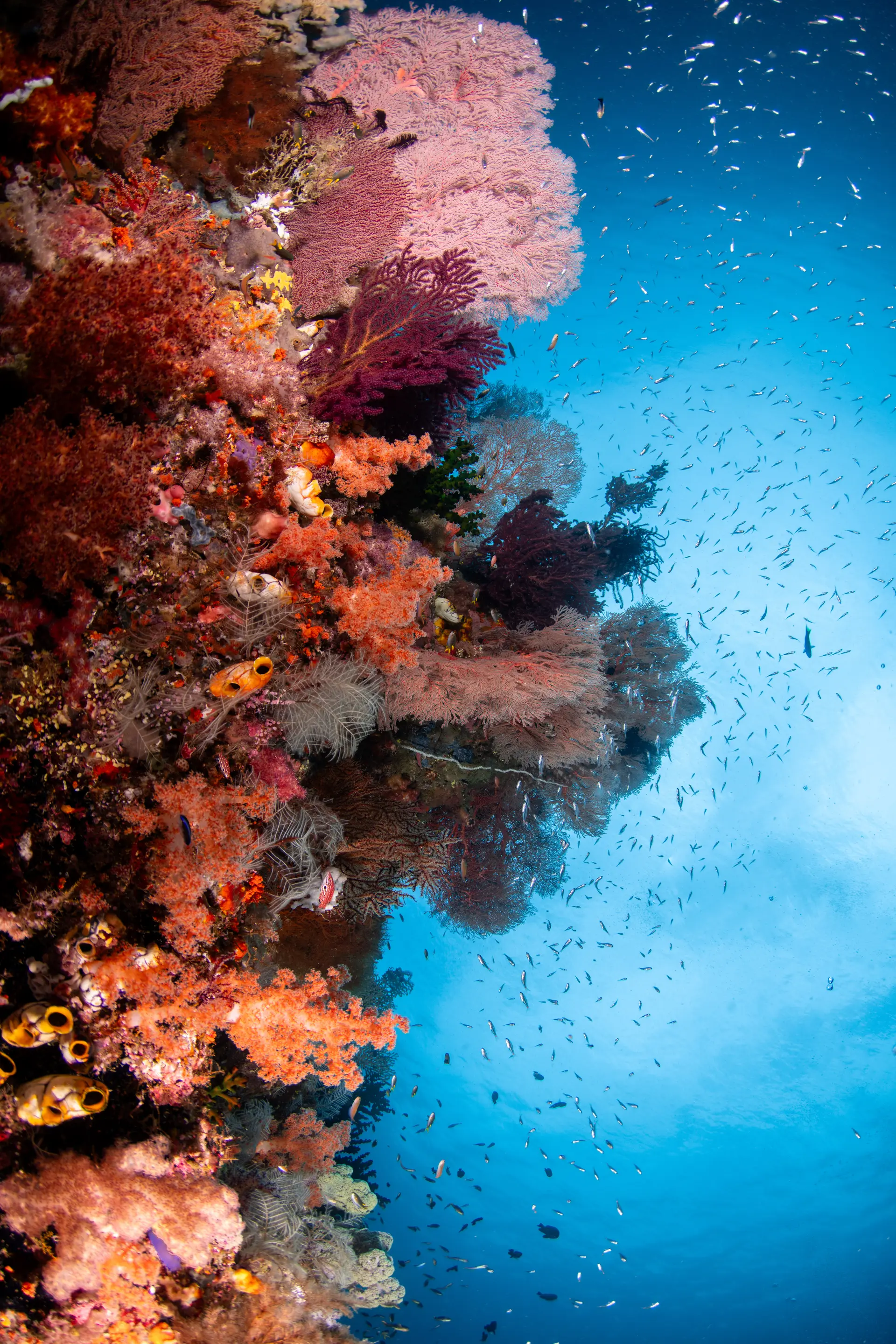
The Florida Keys offer the US's most accessible reef and wreck diving — the Christ of the Abyss statue, the USS Spiegel Grove and USS Vandenberg artificial reef wrecks, plus living coral reef tract from Key Largo to Key West.
How this reef is doing
ⓘ How we measure thisReef state
Florida Keys reefs have lost the majority of their hard coral over two decades and were hit hard by 2023's marine heatwave. Wrecks and fish life still excellent.
Coral cover
Fish life
About what a healthy reef of its kind holds.
Heat
Warmer than usual right now, but not hot enough to bleach.
Fishing
Protected on paper, but boats are still busy nearby.
Sources · Reef survey · Reef Life Survey · NOAA Coral Reef Watch · Global Fishing Watch and reef gravity
Coral cover over time
Live coral cover, by survey year
Across surveys in 2014 and 2024, live coral cover here has fallen from 24% to 13%. Every point is a real survey reading, never a projection.
Live coral cover, percent by year
| Year | Coral cover |
|---|---|
| 2014 | 24% |
| 2024 | 13% |
What you will see
34 species across the dive sites here
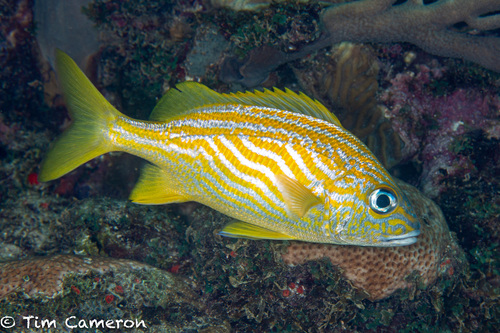
French grunt
Seen 3 months ago
at Christ of the Abyss
Least concern

Hogfish
Seen 3 months ago
at French Reef
Vulnerable
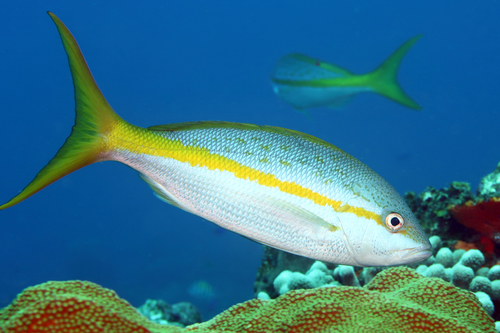
Yellowtail snapper
Seen 3 months ago
at Christ of the Abyss
Brown Anole
Seen 3 months ago
at USS Vandenberg
Least concern
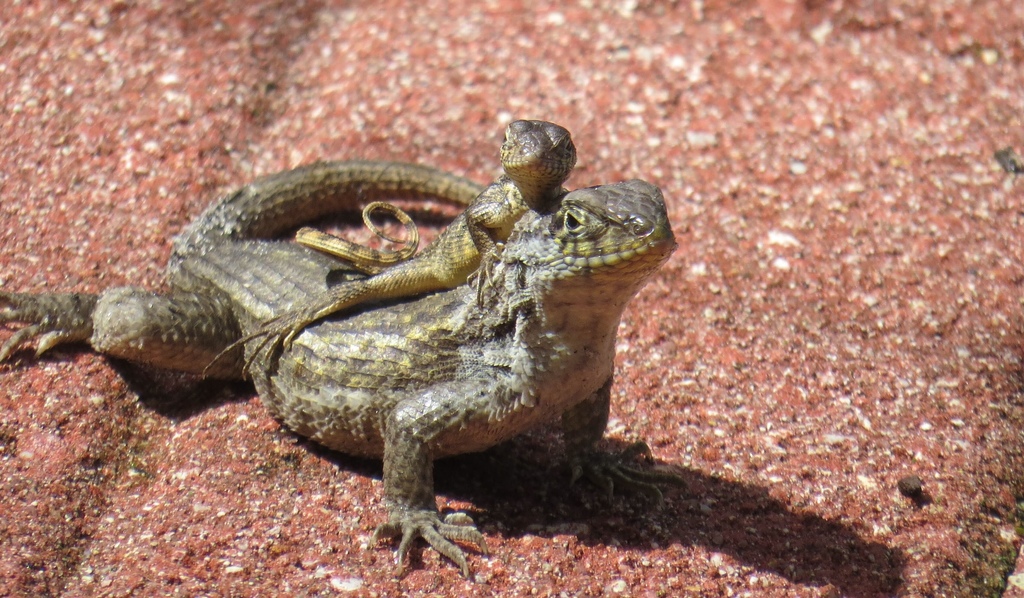
Northern Curly-Tailed Lizard
Seen 3 months ago
at USS Vandenberg
Least concern
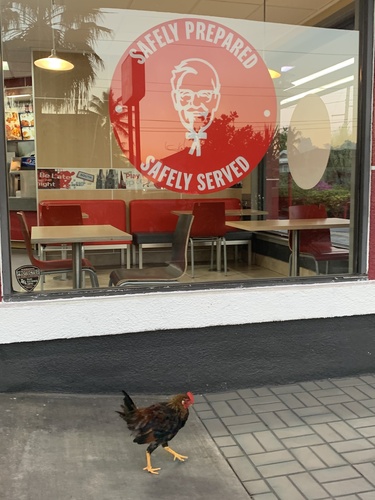
Red Junglefowl
Seen 3 months ago
at USS Vandenberg
Least concern
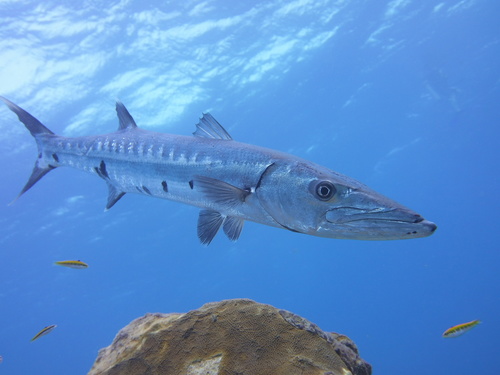
Great Barracuda
Seen 3 months ago
at Christ of the Abyss
Least concern
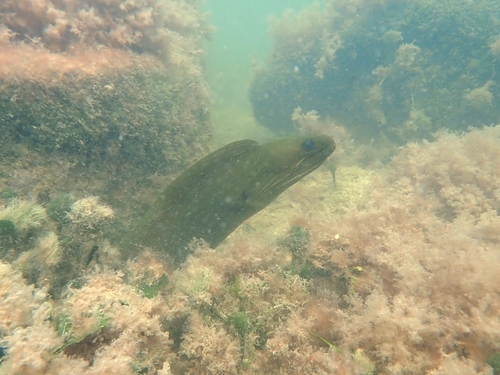
Green moray
Seen 3 months ago
at Molasses Reef
Least concern
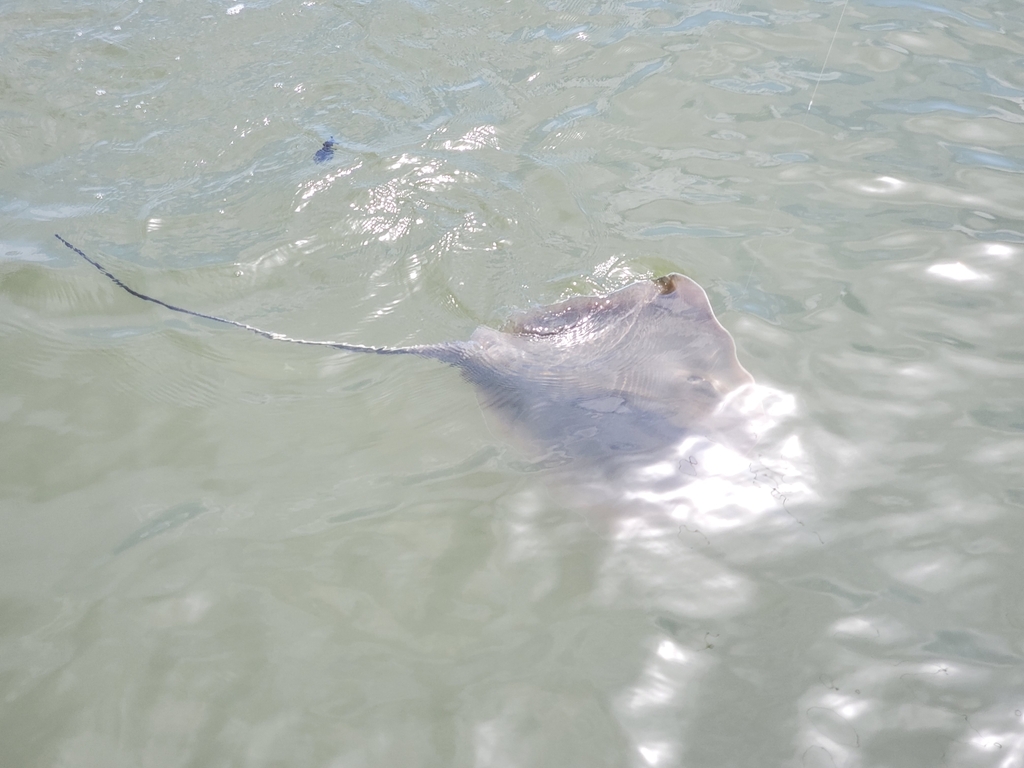
Southern stingray
Seen 3 months ago
at Molasses Reef
Near threatened
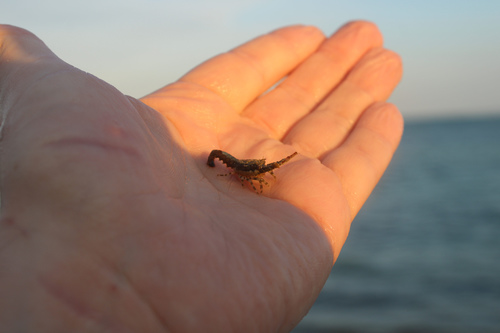
Spiny lobster
Seen 3 months ago
at Benwood Wreck
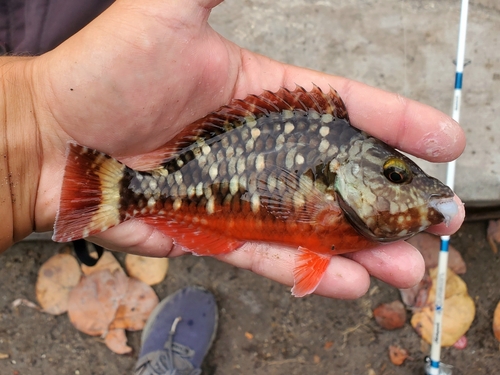
Stoplight parrotfish
Seen 3 months ago
at Molasses Reef
Least concern
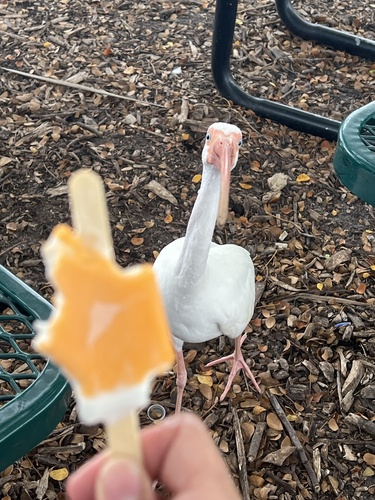
White Ibis
Seen 3 months ago
at Christ of the Abyss
Least concern
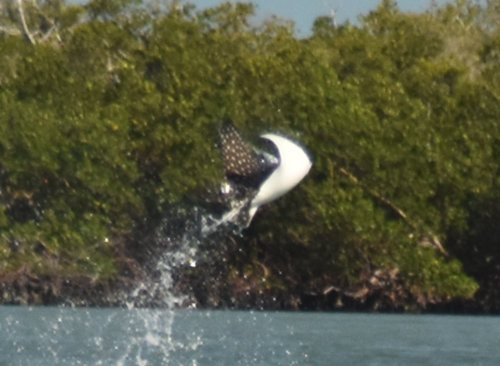
Spotted eagle ray
Seen 3 months ago
at Molasses Reef
Endangered
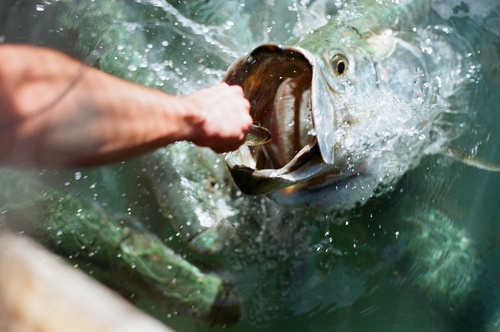
Tarpon
Seen 3 months ago
at Eagle Wreck
Vulnerable
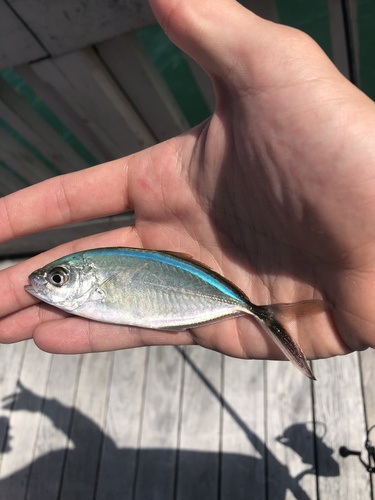
Bar jack
Seen 3 months ago
at Eagle Wreck
Least concern
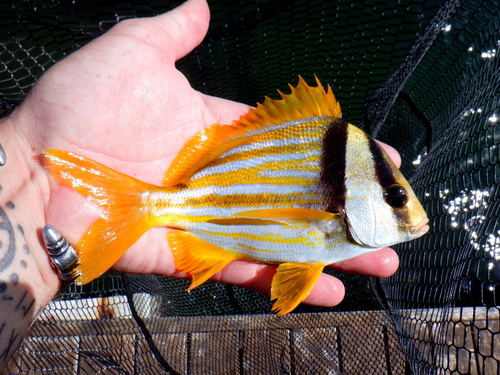
Porkfish
Seen 3 months ago
at Benwood Wreck
Least concern
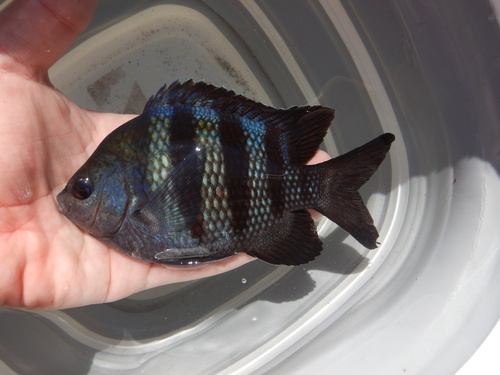
Sergeant major
Seen 3 months ago
at French Reef
Least concern
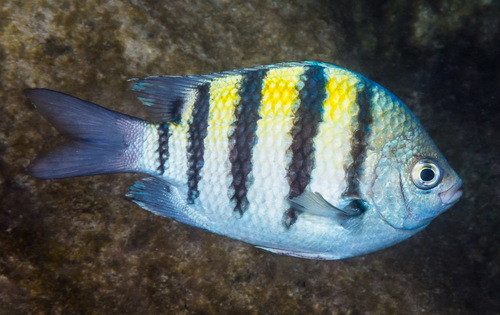
Sergeant major damsel
Seen 3 months ago
at Christ of the Abyss
Least concern
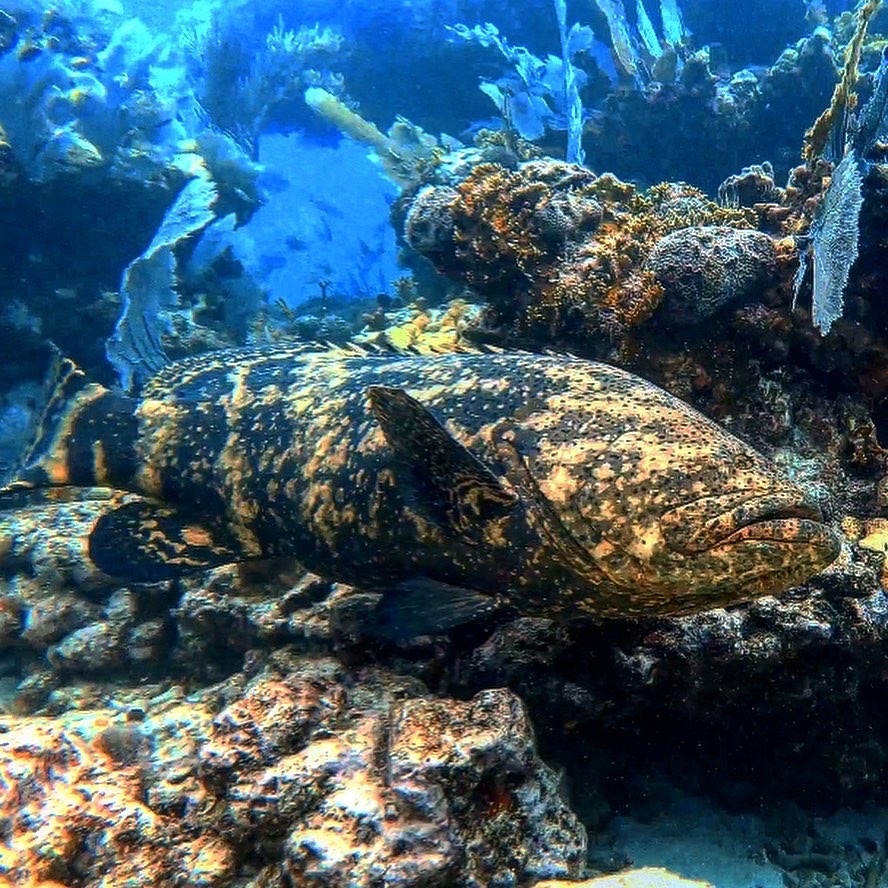
Goliath grouper
Seen 3 months ago
at Eagle Wreck
Vulnerable
Atlantic tarpon
Seen 3 months ago
at Looe Key Reef
Vulnerable
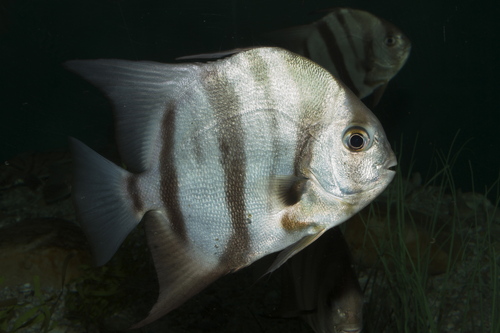
Atlantic spadefish
Seen 3 months ago
at USS Spiegel Grove
Least concern
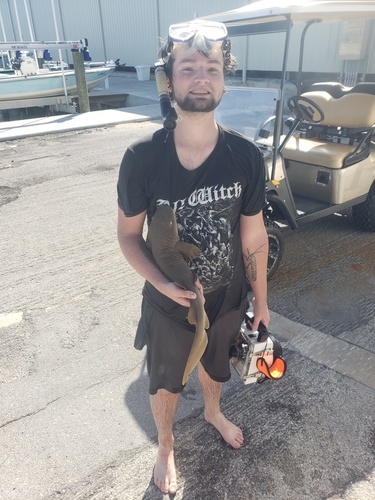
Nurse shark
Seen 3 months ago
at Looe Key Reef
Vulnerable
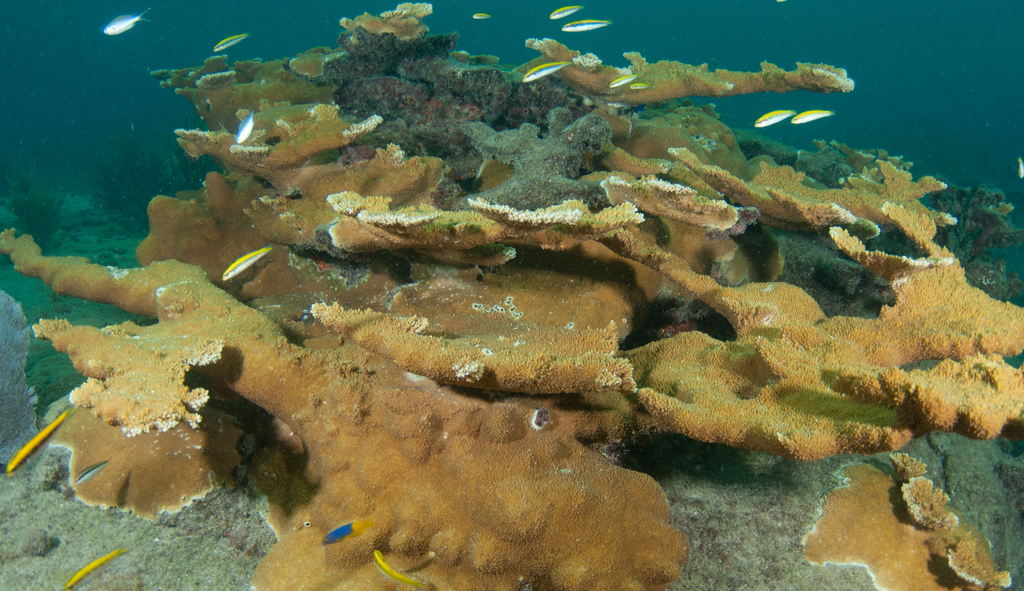
Elkhorn coral
Seen 3 months ago
at Looe Key Reef
Critically endangered
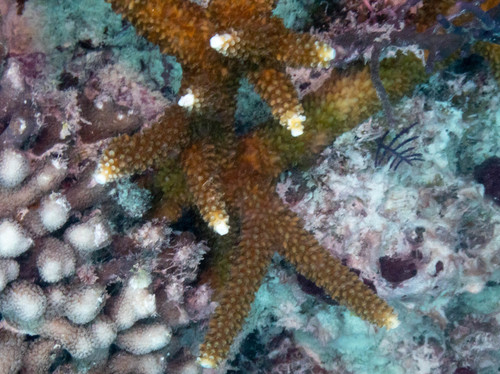
Staghorn coral
Seen 3 months ago
at Looe Key Reef
Critically endangered
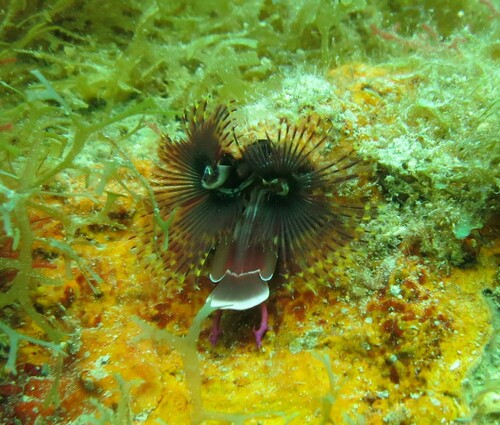
Christmas tree worm
Seen 3 months ago
at French Reef
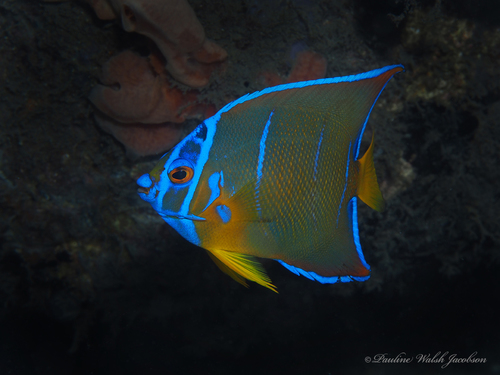
Queen angelfish
Seen 3 months ago
at Benwood Wreck
Least concern
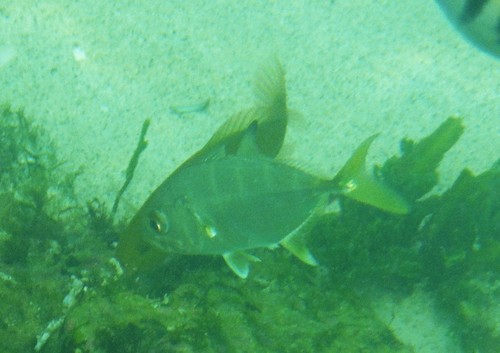
Horse-eye jack
Seen 4 months ago
at USCGC Duane
Least concern
Glassy sweeper
Seen 4 months ago
at French Reef
Least concern
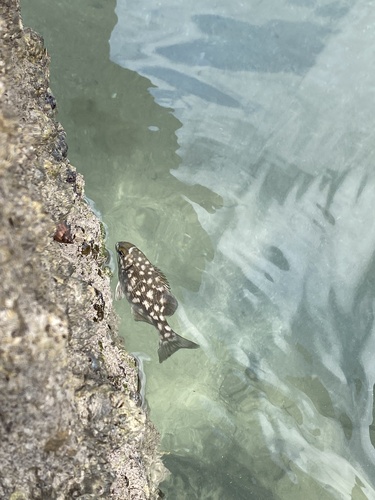
Bermuda chub
Seen 7 months ago
at Benwood Wreck
Least concern
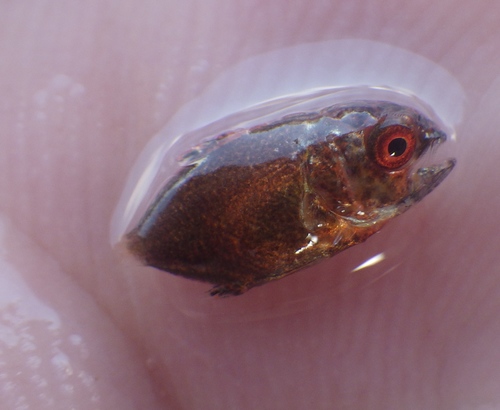
Permit
Seen Sep 2025
at USS Vandenberg
Least concern
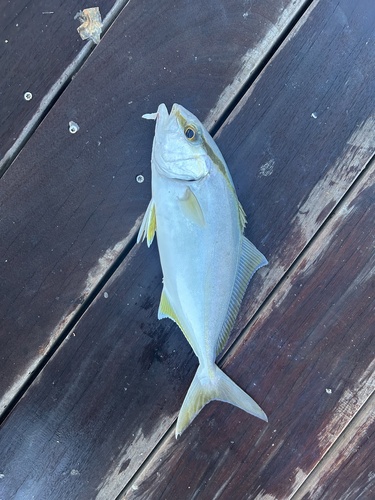
Greater amberjack
Seen May 2024
at Eagle Wreck
Least concern
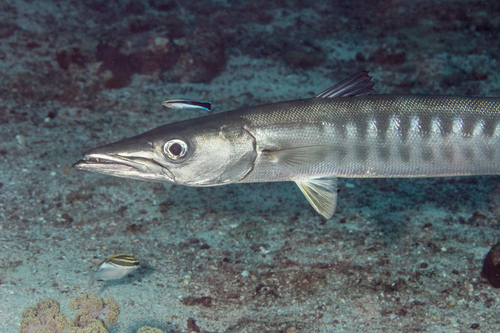
Schooling barracuda
Seen year round
at USS Vandenberg
Least concern
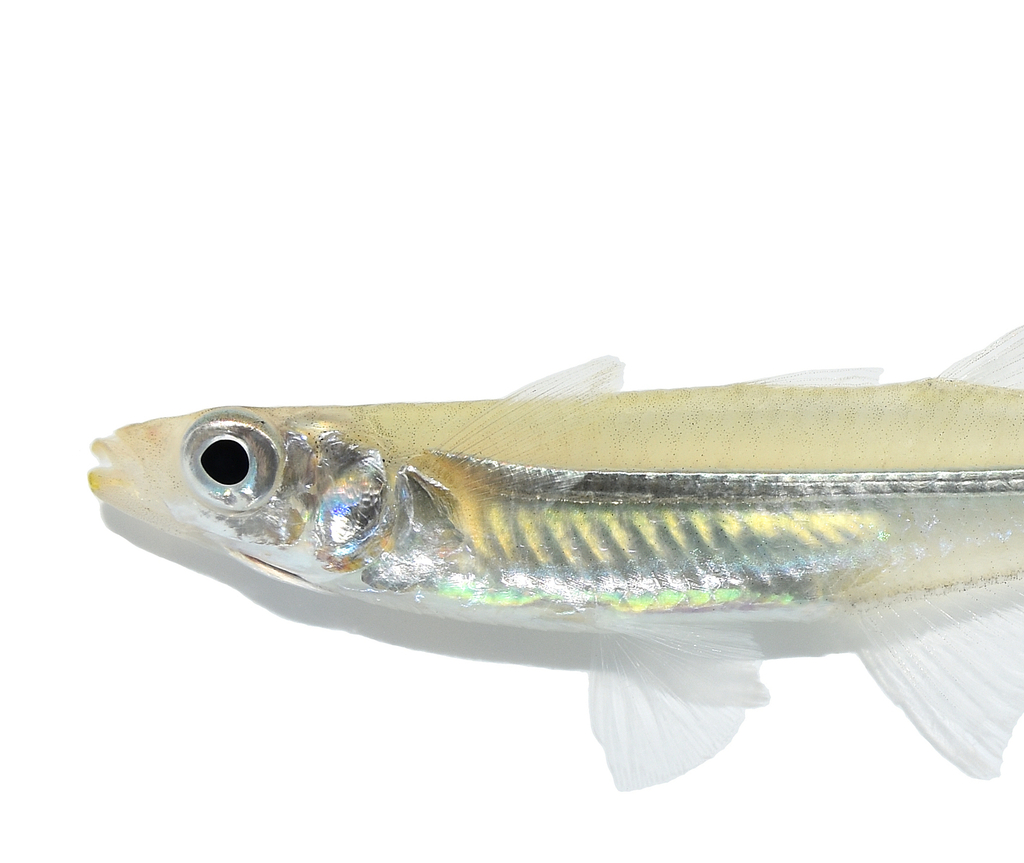
Silversides
Seasonal visitor
at USS Spiegel Grove
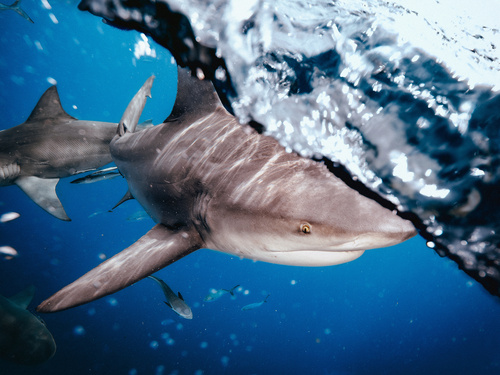
Bull shark
Rare sighting
at USS Spiegel Grove
Vulnerable
Dive sites
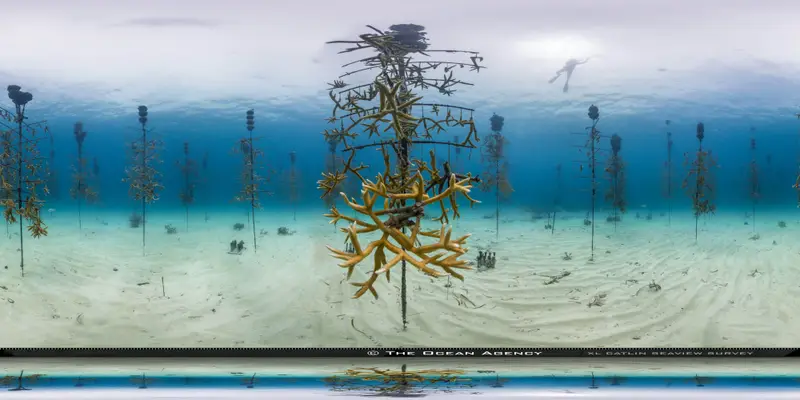
USS Vandenberg
goliath grouper · schooling barracuda · permit · atlantic spadefish
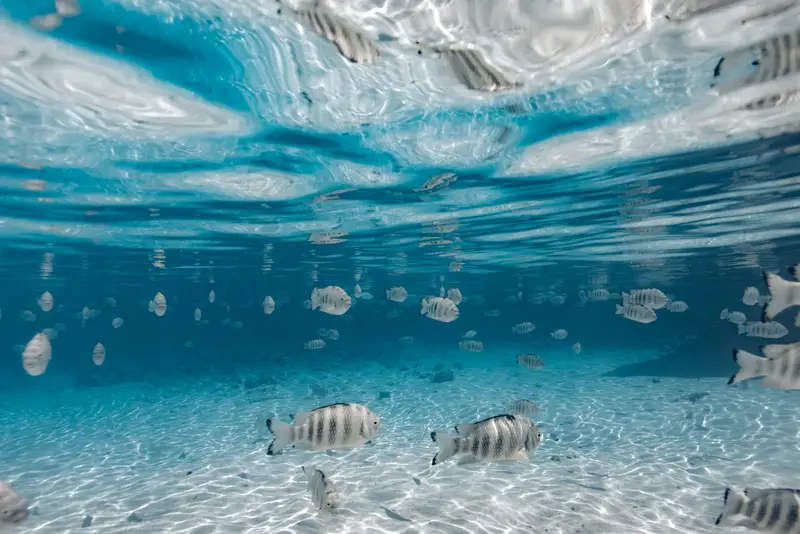
Christ of the Abyss
french grunt · sergeant major damsel · yellowtail snapper · brown anole
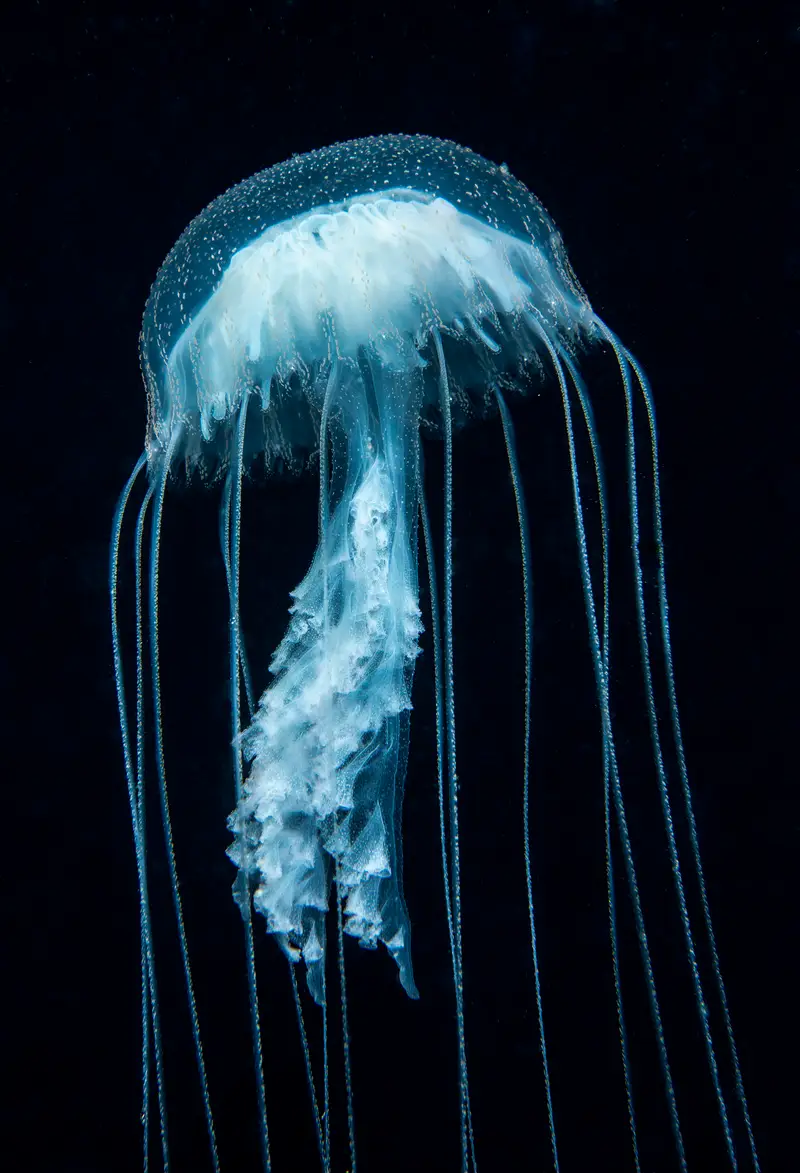
USS Spiegel Grove
goliath grouper · great barracuda · atlantic spadefish · bull shark
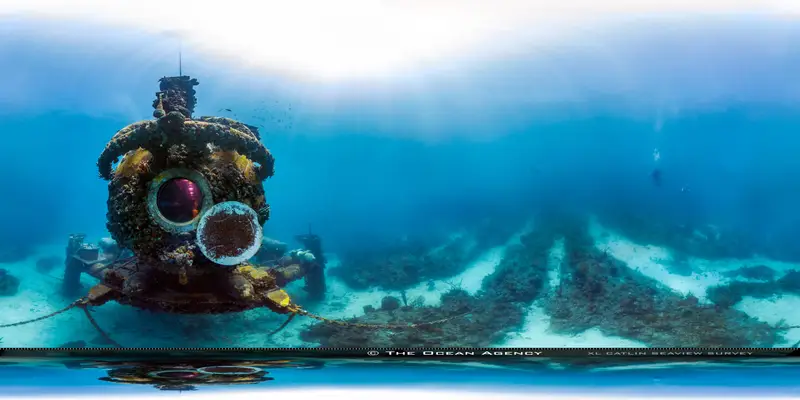
Molasses Reef
elkhorn coral · yellowtail snapper · green moray · stoplight parrotfish
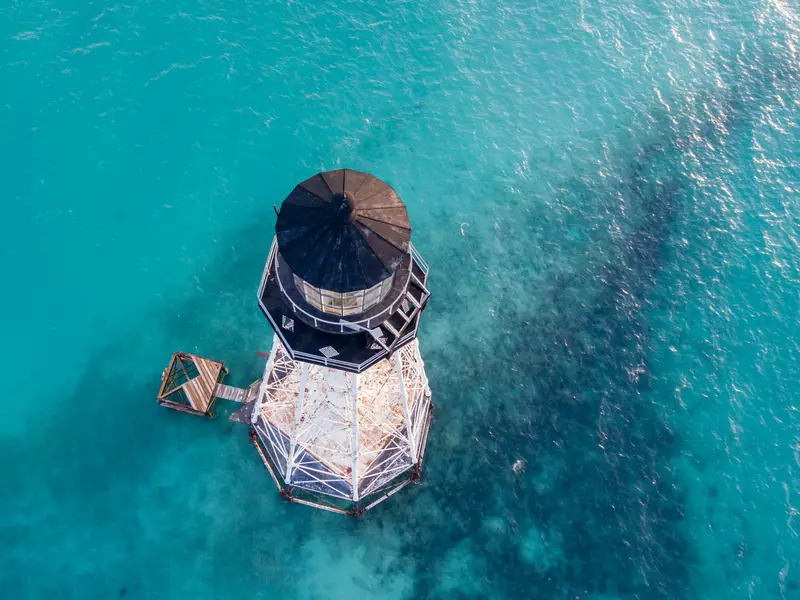
Looe Key Reef
elkhorn coral · staghorn coral · goliath grouper · atlantic tarpon
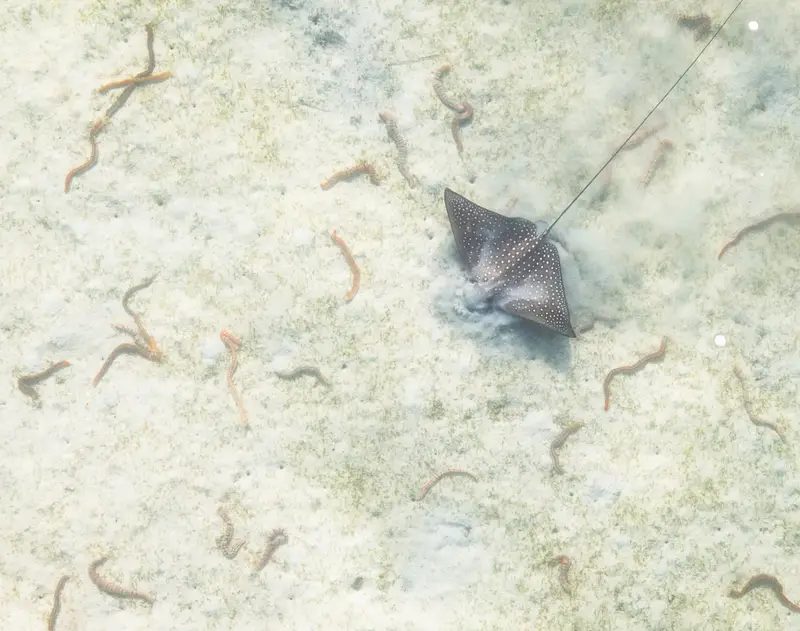
USCGC Duane
goliath grouper · great barracuda · atlantic spadefish · spotted eagle ray
What divers say
The Vandenberg is one of the great Americas wreck dives. Two days isn't enough to see all of it.
Good to know
Coral status
Reefs have been hit hard by bleaching and disease; protected sites are recovering.