Ras Mohammed
Egypt · Red Sea
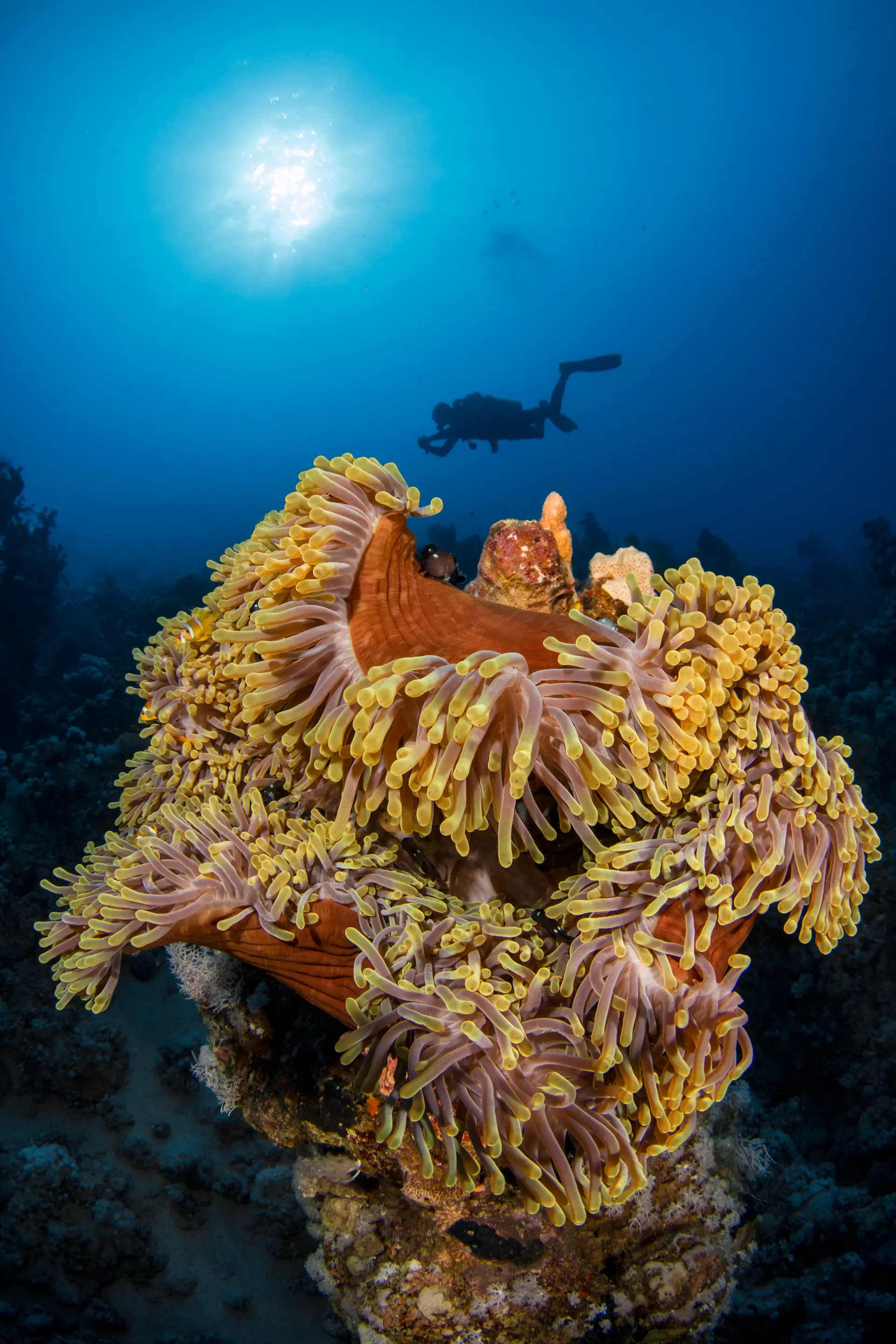
Ras Mohammed is the southern tip of the Sinai Peninsula, where the Red Sea's two main basins meet and pelagic traffic concentrates against dramatic walls. Day-trips from Sharm el-Sheikh deliver consistent visibility, big jacks, schooling barracuda, and the SS Thistlegorm wreck nearby.
How this reef is doing
ⓘ How we measure thisReef state
One of the rare reefs that has not lost cover in the last decade. Northern Red Sea corals tolerate heat better than most. Expect full colour, sharks at Yolanda, schooling jacks year round.
Coral cover
Fish life
Heat
Warmer than usual right now, but not hot enough to bleach.
Fishing
Quiet water, and the protection is actively patrolled.
Sources · GCRMN reef surveys · NOAA Coral Reef Watch · Global Fishing Watch and reef gravity
Coral cover over time
Live coral cover, by survey year
Across surveys in 2014 and 2024, live coral cover here has risen from 40% to 41%. Every point is a real survey reading, never a projection.
Live coral cover, percent by year
| Year | Coral cover |
|---|---|
| 2014 | 40% |
| 2024 | 41% |
What you will see
39 species across the dive sites here
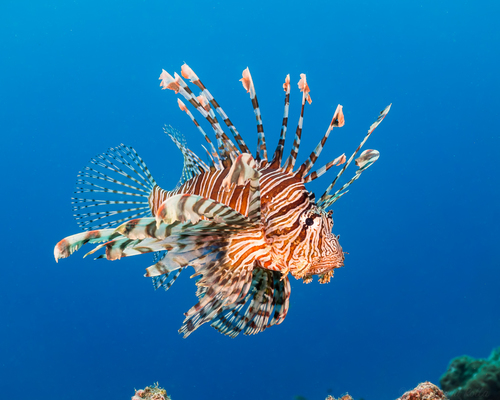
Lionfish
Seen 3 months ago
at Million Hope Wreck
Least concern
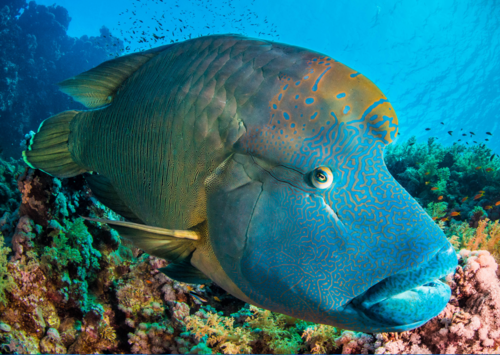
Napoleon wrasse
Seen 3 months ago
at Straits of Tiran
Endangered
Hawksbill turtle
Seen 3 months ago
at Straits of Tiran
Critically endangered
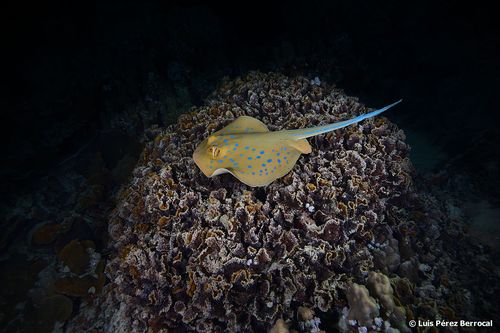
Bluespotted stingray
Seen 4 months ago
at Million Hope Wreck
Least concern
Bluespotted ribbontail ray
Seen 4 months ago
at Salem Express
Least concern
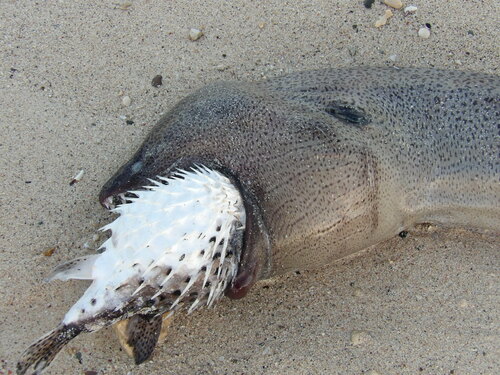
Giant moray
Seen 4 months ago
at Salem Express
Least concern
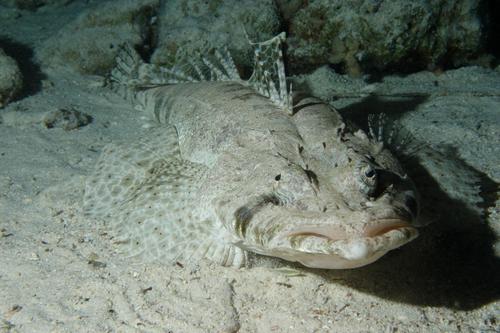
Crocodilefish
Seen 4 months ago
at Salem Express
Least concern
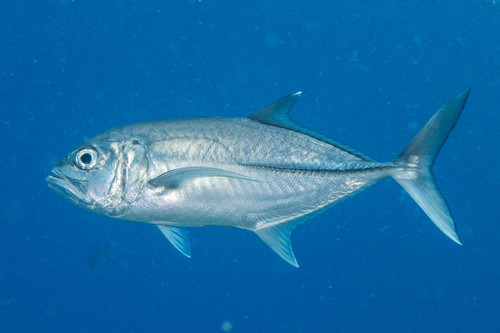
Bigeye trevally
Seen 4 months ago
at Jackfish Alley
Least concern
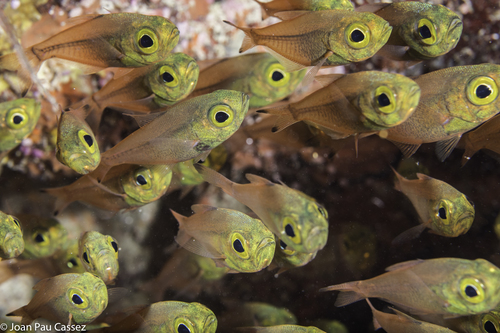
Glassfish
Seen 4 months ago
at SS Dunraven
Least concern
Glassfish (sweeper)
Seen 4 months ago
at Giannis D
Least concern
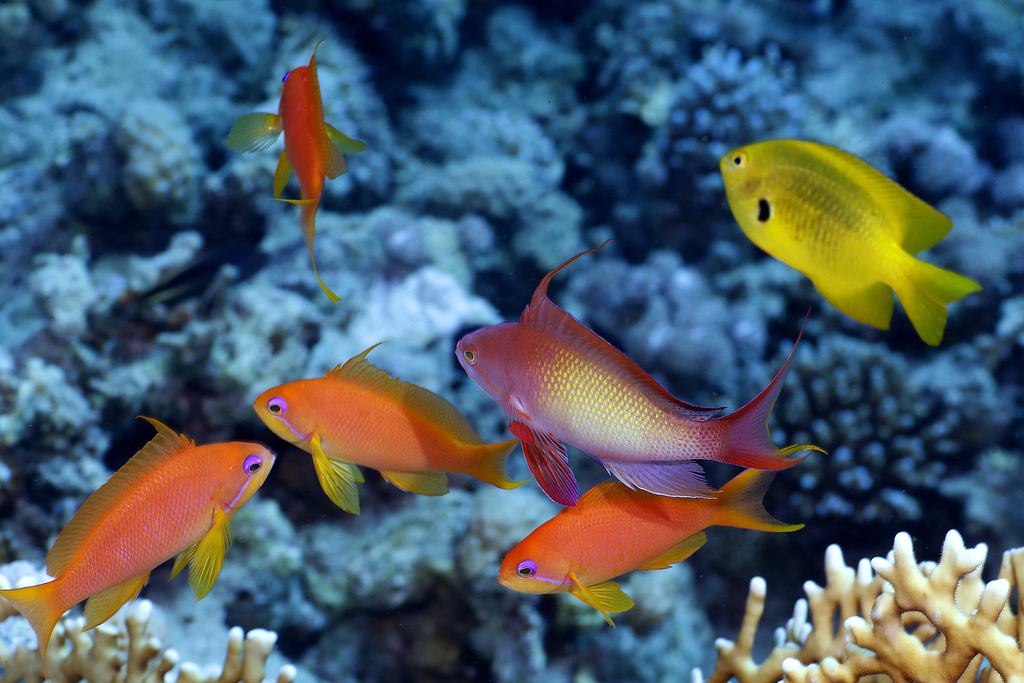
Lyretail Anthias
Seen 4 months ago
at Blue Hole (Dahab)
Least concern
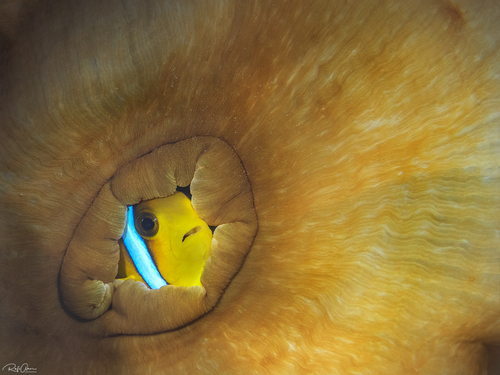
Red Sea Anemonefish
Seen 4 months ago
at Anemone City
Least concern
Teira batfish
Seen 4 months ago
at Kimon M (Lentil Wreck)
Least concern
Trevally schools
Seen 4 months ago
at Shark and Yolanda Reef
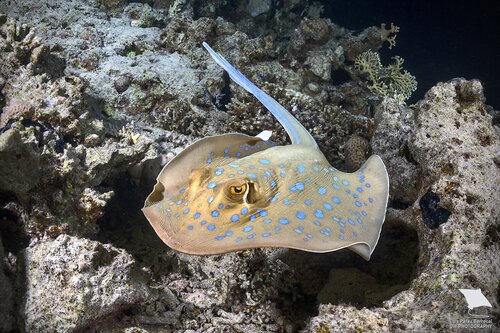
Bluespotted Fantail Ray
Seen 4 months ago
at Shark and Yolanda Reef
Least concern
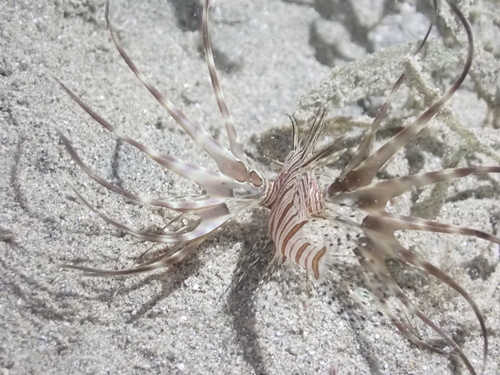
Common lionfish
Seen 5 months ago
at Chrisoula K (Tile Wreck)
Least concern
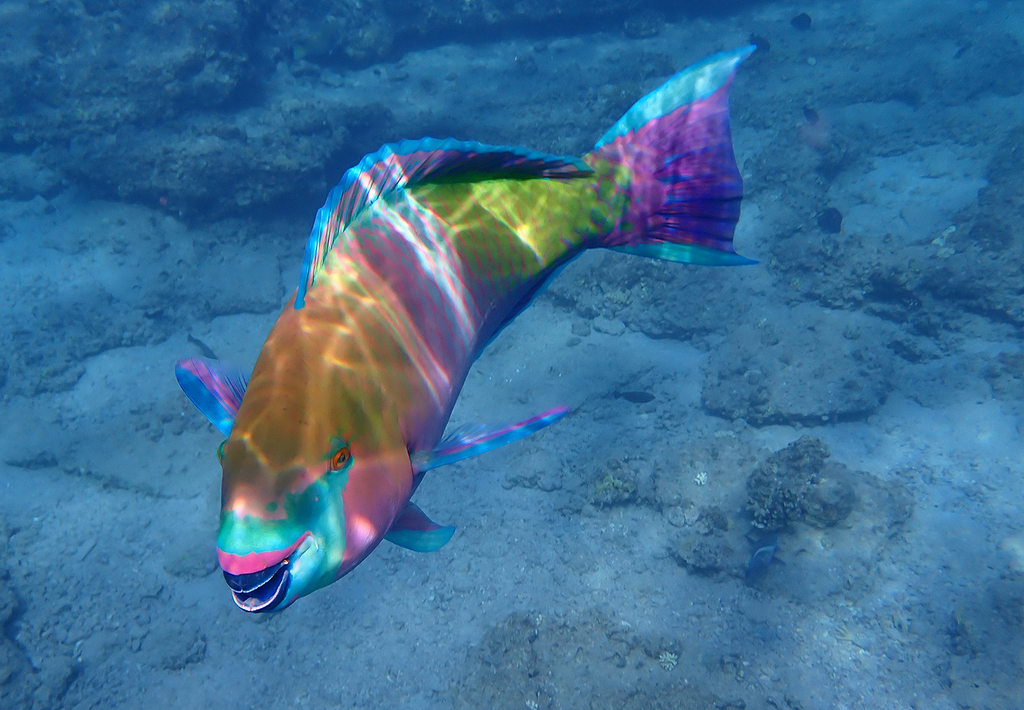
Rusty Parrotfish
Seen 5 months ago
at Anemone City
Least concern
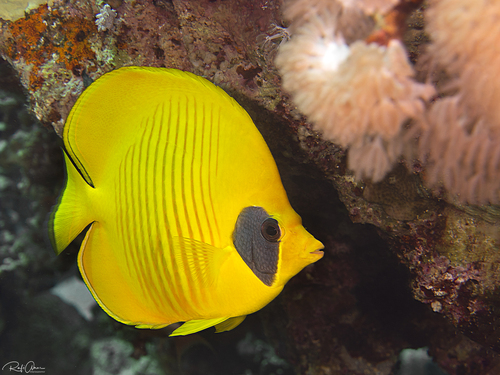
Bluecheek butterflyfish
Seen 5 months ago
at Blue Hole (Dahab)
Least concern
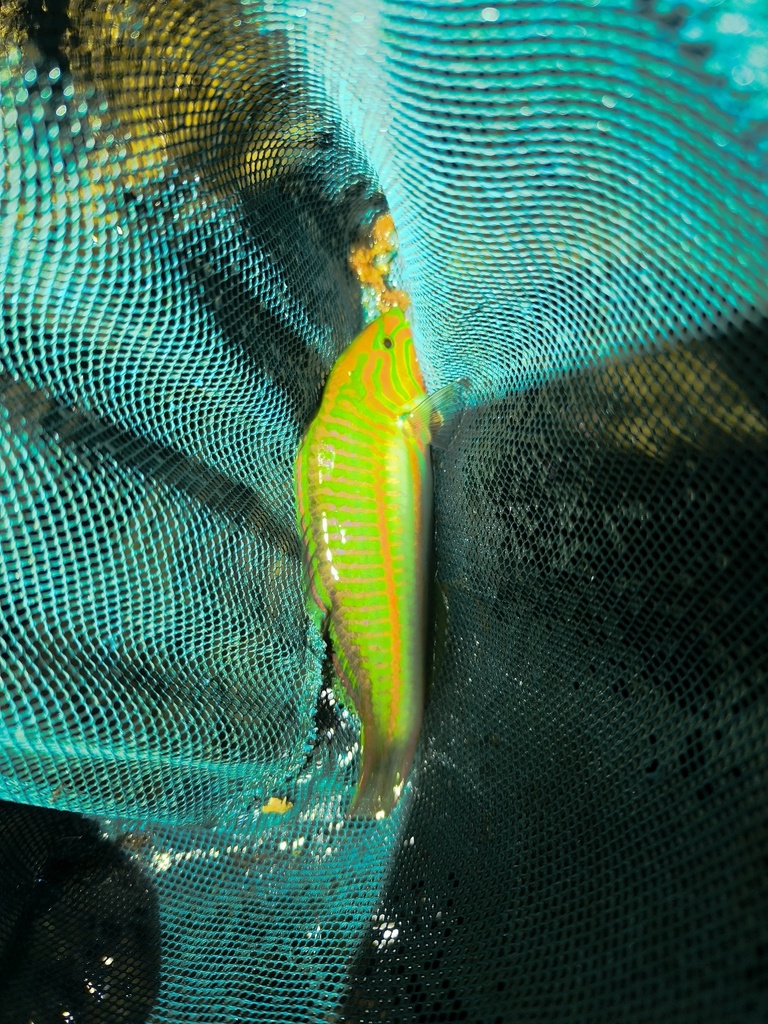
Klunzinger'S Wrasse
Seen 6 months ago
at Anemone City
Least concern
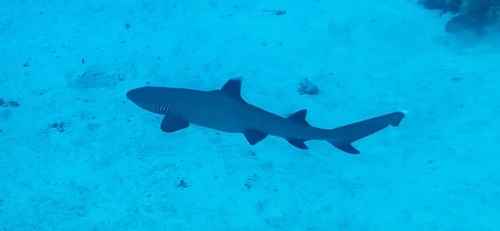
Whitetip reef shark
Seen 6 months ago
at Straits of Tiran
Vulnerable
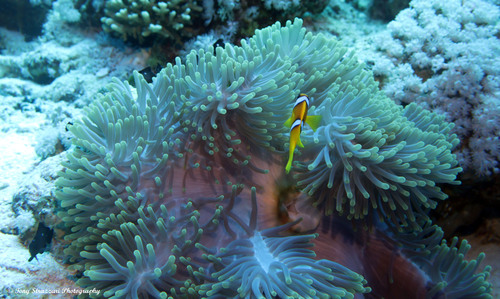
Magnificent anemone
Seen 6 months ago
at Anemone City
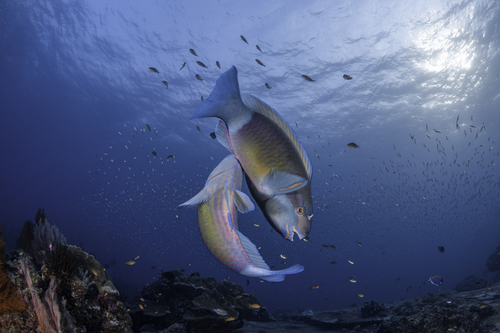
Indian Bullethead Parrotfish
Seen 6 months ago
at Shark and Yolanda Reef
Least concern
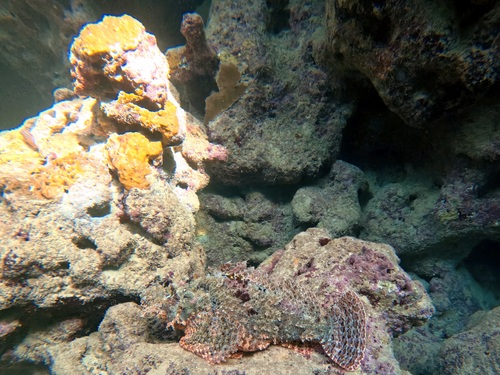
Scorpionfish
Seen 7 months ago
at Giannis D
Least concern
Scalefin anthias
Seen 8 months ago
at SS Carnatic
Least concern
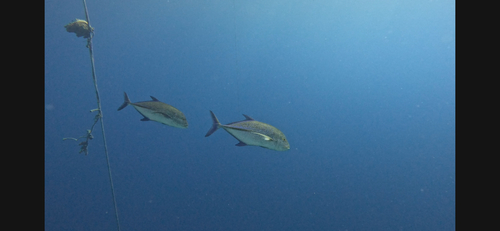
Bluefin trevally
Seen 8 months ago
at Kimon M (Lentil Wreck)
Least concern
Batfish
Seen 8 months ago
at SS Thistlegorm
Least concern
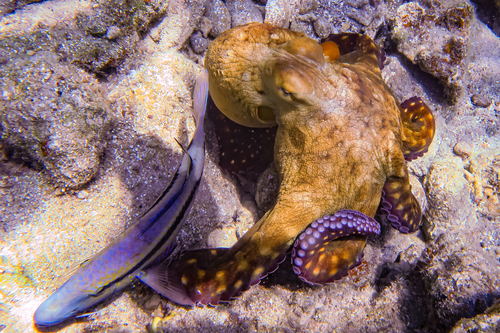
Day octopus
Seen 8 months ago
at The Canyon (Dahab)
Least concern
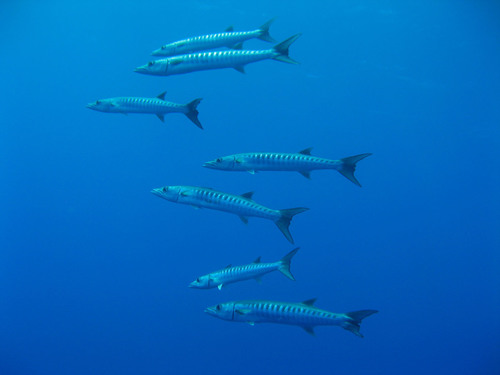
Schooling barracuda
Seen 9 months ago
at Shark and Yolanda Reef
Least concern
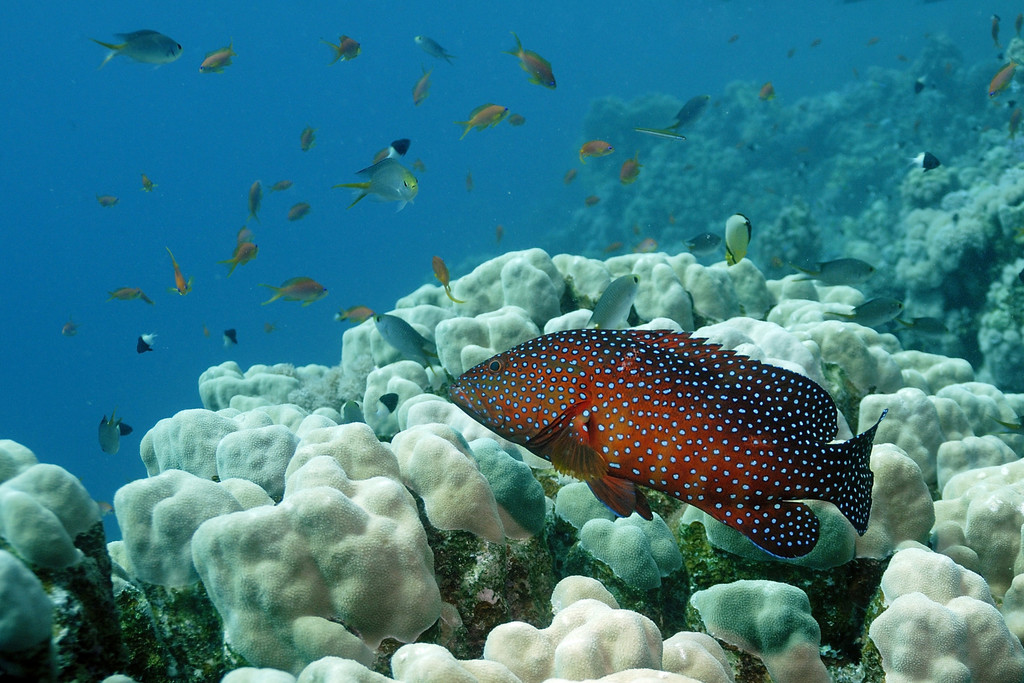
Coral grouper
Seen 10 months ago
at Chrisoula K (Tile Wreck)
Least concern
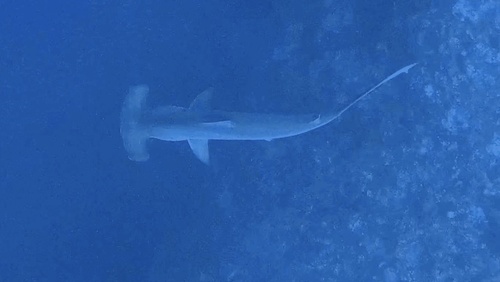
Scalloped hammerhead shark
Seen 11 months ago
at Straits of Tiran
Critically endangered
Anthias and gorgonian fans
Seen year round
at Straits of Tiran
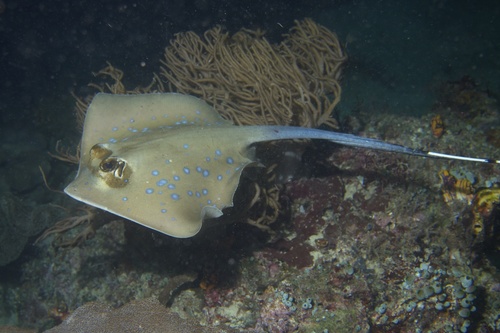
Bluespotted ray
Seen year round
at Jackfish Alley
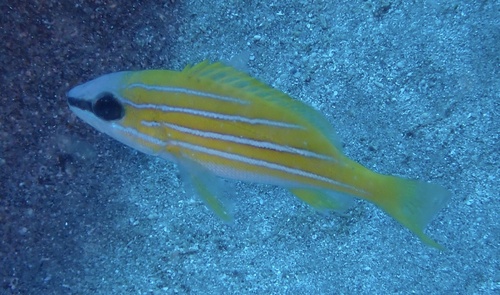
Bluestripe snapper
Seen year round
at SS Carnatic
Least concern
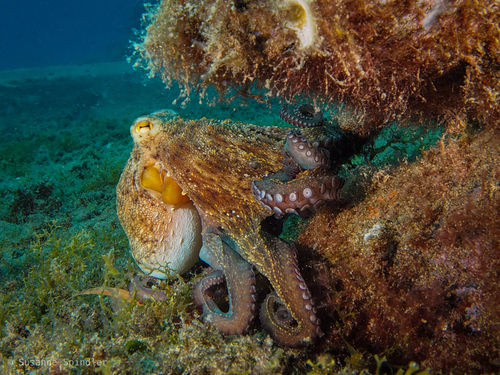
Common octopus
Seen year round
at SS Rosalie Moller
Least concern
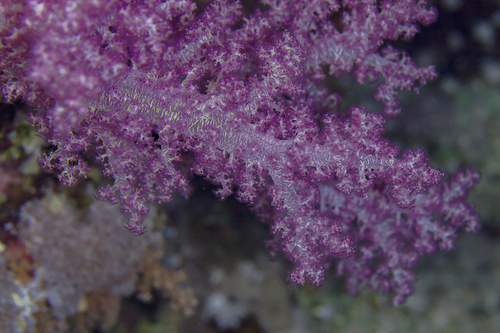
Klunzinger's soft coral
Seen year round
at SS Dunraven
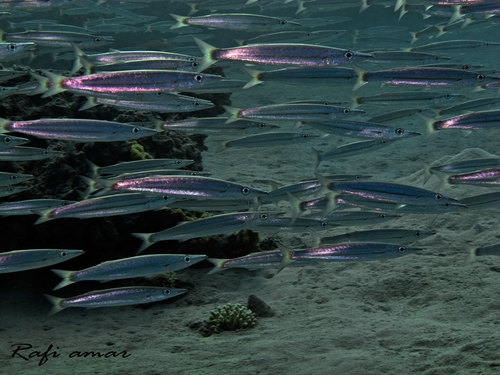
Yellowtail barracuda
Seen year round
at SS Thistlegorm
Least concern
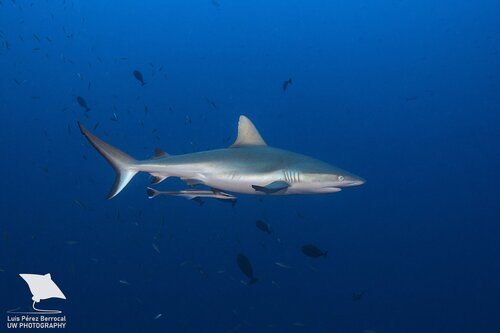
Grey reef shark
Seasonal visitor
at Shark and Yolanda Reef
Endangered
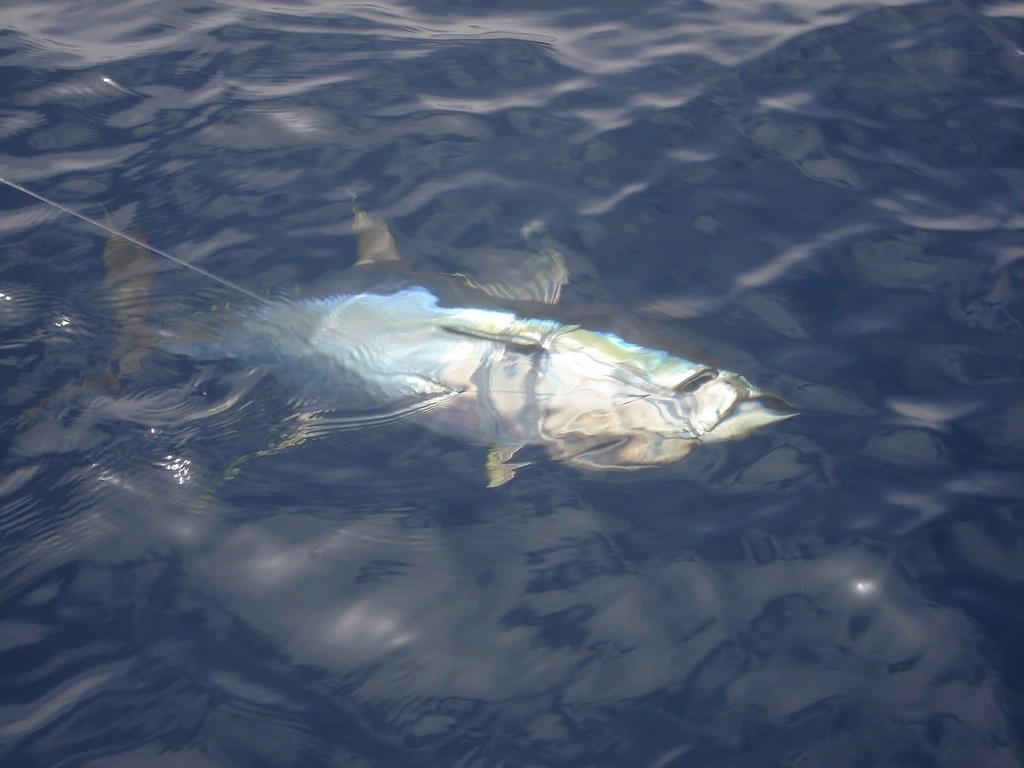
Tuna
Seasonal visitor
at SS Thistlegorm
Yellowfin tuna
Seasonal visitor
at The Bells (Dahab)
Least concern
Dive sites
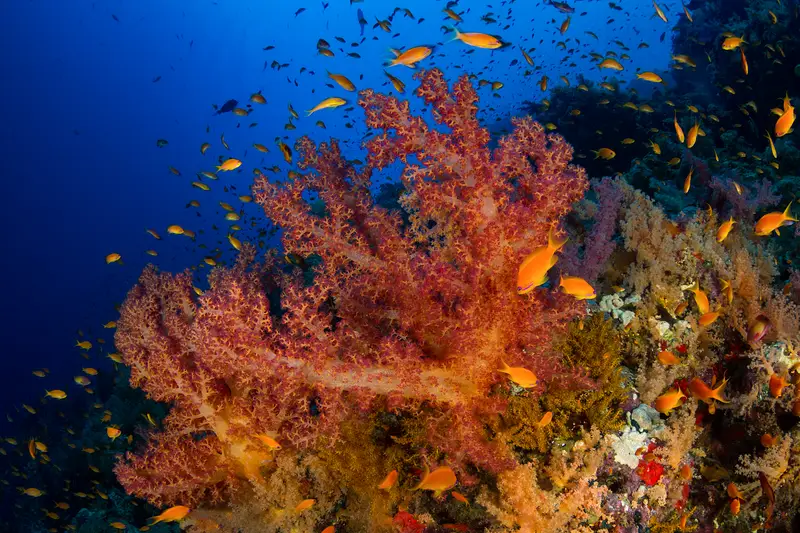
Shark and Yolanda Reef
schooling barracuda · bigeye trevally · napoleon wrasse · grey reef shark
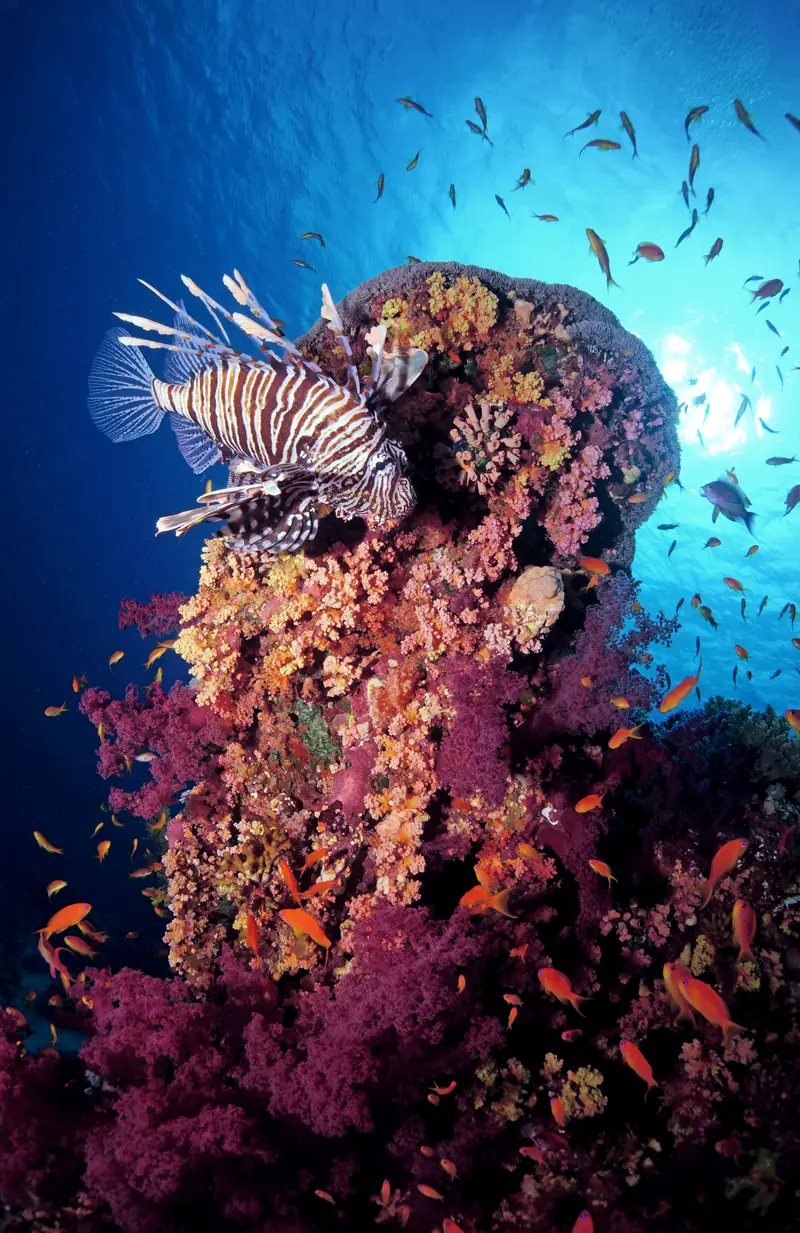
Anemone City
red sea anemonefish · magnificent anemone · lionfish · lyretail anthias
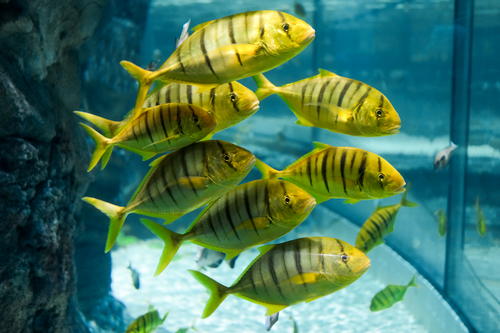
Jackfish Alley
bigeye trevally · whitetip reef shark · bluespotted ray · crocodilefish
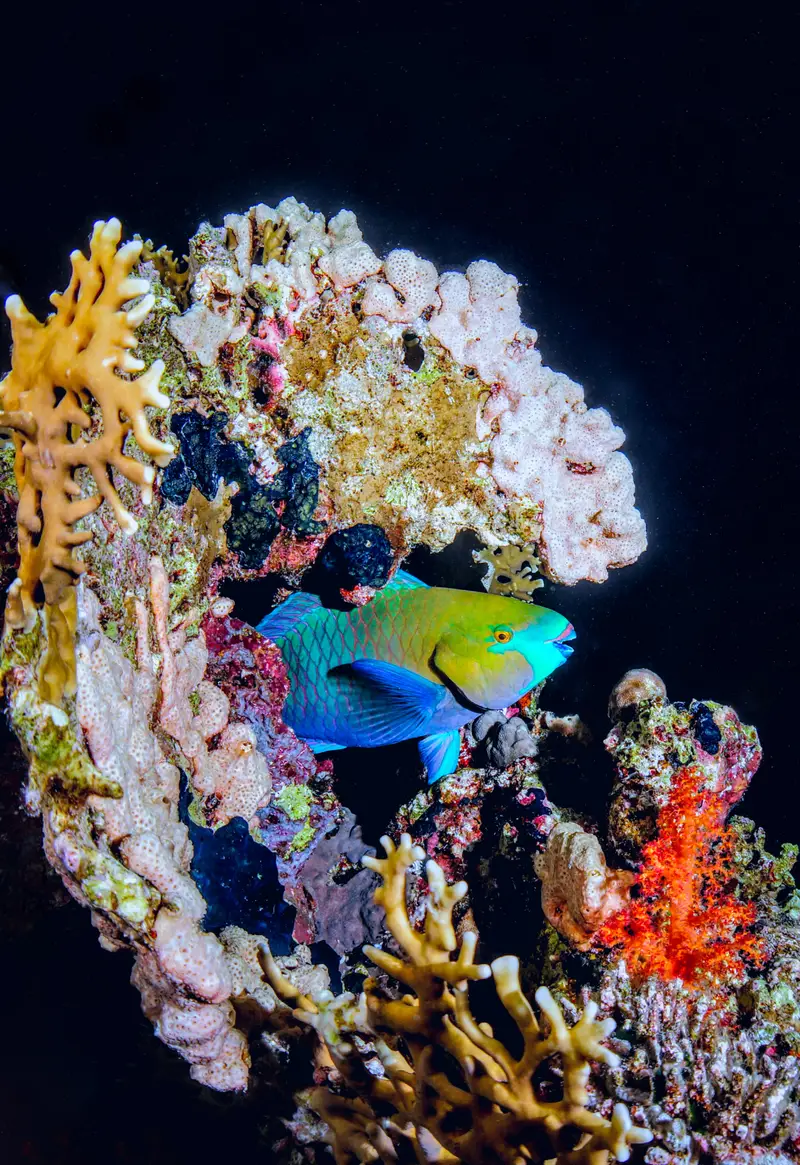
SS Thistlegorm
giant moray · crocodilefish · batfish · yellowtail barracuda
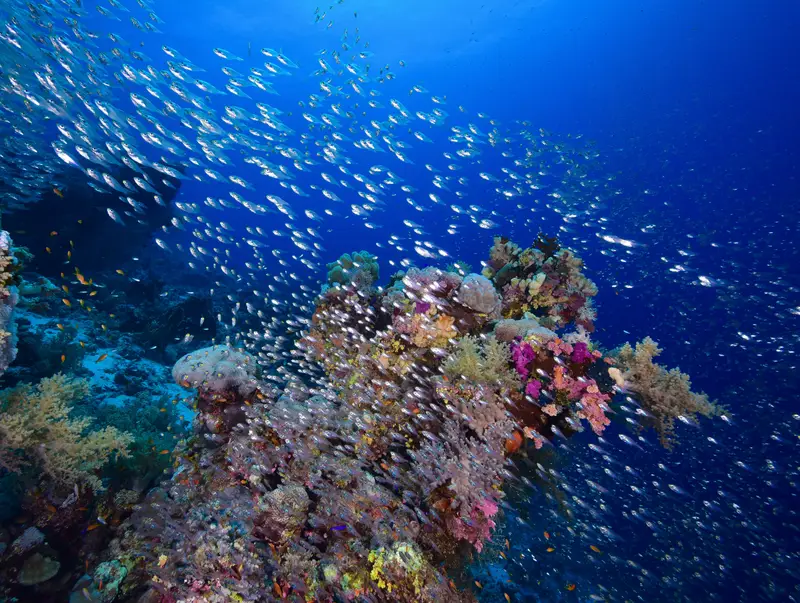
SS Dunraven
glassfish · common lionfish · bluespotted stingray · giant moray
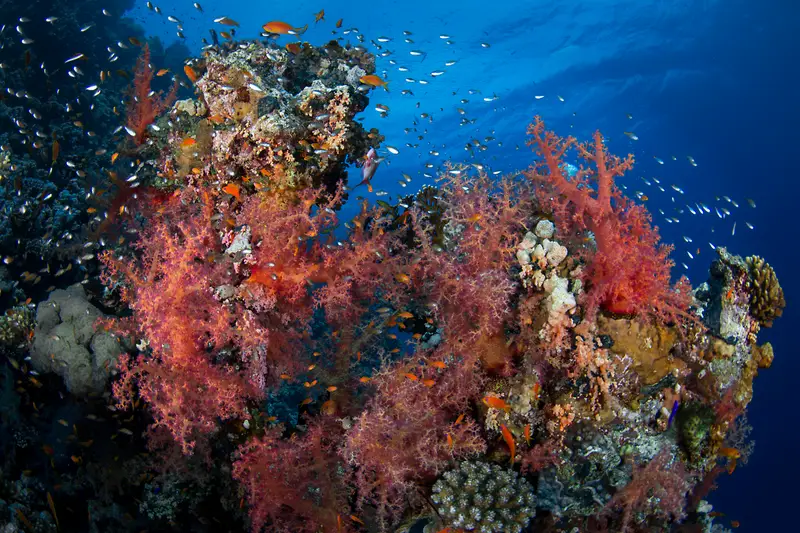
Straits of Tiran
scalloped hammerhead shark · grey reef shark · whitetip reef shark · napoleon wrasse
What divers say
Shark Reef at slack to flood with the schooling barracuda overhead is one of the great 20-minute windows in diving.
Good to know
Park fees
Daily park fee (~$10–15) collected by op.