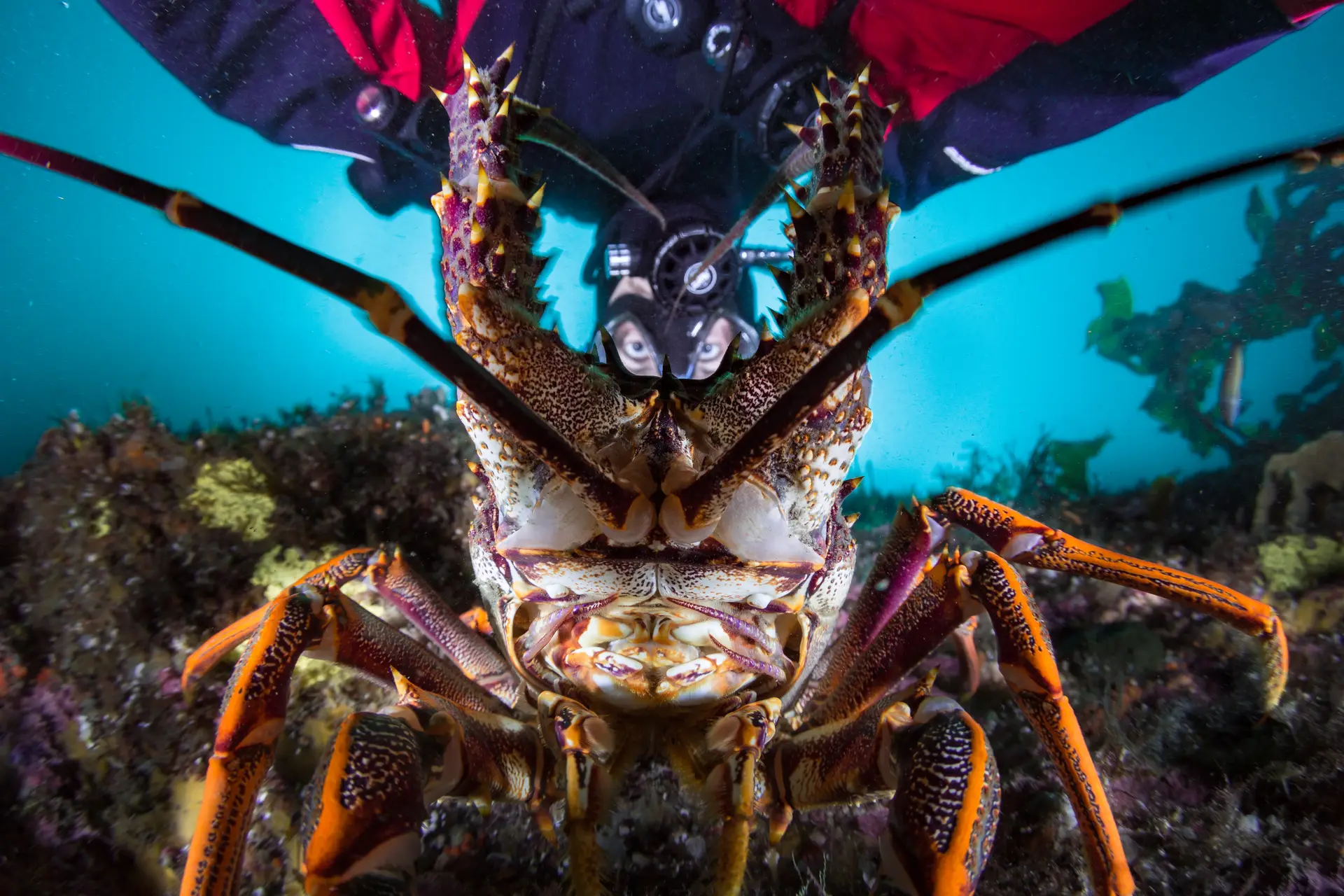
Vis Island
Croatia · Adriatic Sea
Vis is the most remote inhabited Croatian island and the country's best diving — Adriatic walls, the B-17 bomber wreck and several other WWII sites, and Mediterranean fish life on clear water.
How this reef is doing
ⓘ How we measure thisReef state
Adriatic wrecks and caves. The reef is algae, sponge, and gorgonian — coral cover is not the right metric.
Coral cover
Fish life
Heat
No unusual heat right now.
Fishing
Protected on paper, but boats are still busy nearby.
Sources · Reef survey · NOAA Coral Reef Watch · Global Fishing Watch and reef gravity
Coral cover over time
Live coral cover, by survey year
Across surveys in 2014 and 2024, live coral cover here has held steady at about 12%. Every point is a real survey reading, never a projection.
Live coral cover, percent by year
| Year | Coral cover |
|---|---|
| 2014 | 12% |
| 2024 | 12% |
What you will see
32 species across the dive sites here
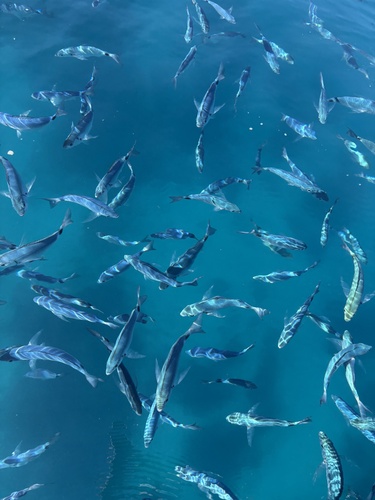
Saddled Bream
Seen 3 months ago
at Monk Seal Wall
Least concern
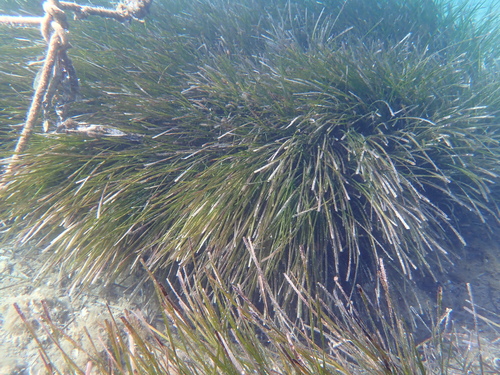
Posidonia Seagrass
Seen 3 months ago
at Monk Seal Wall
Least concern
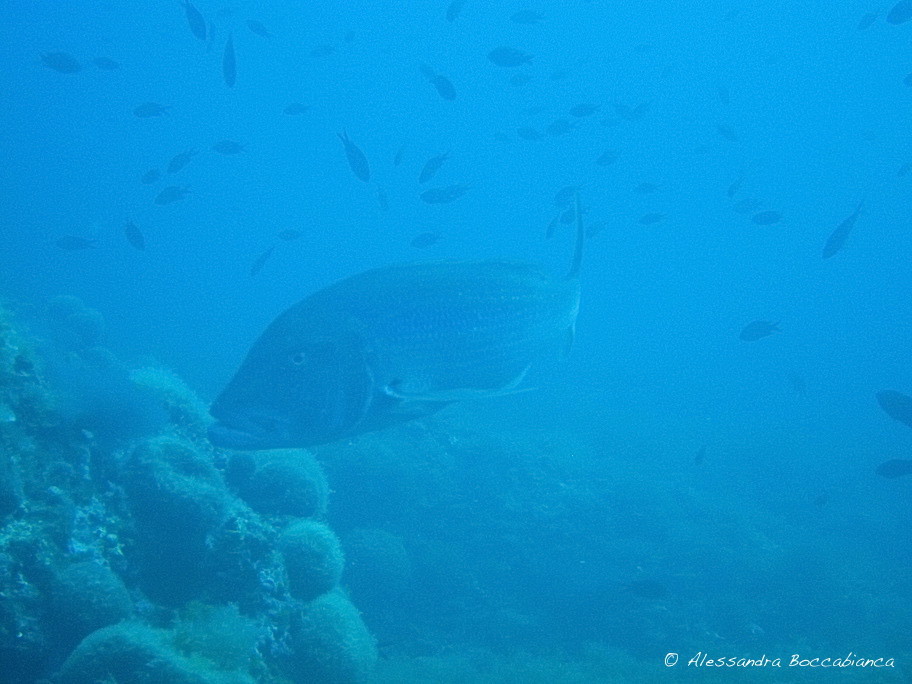
Common Dentex
Seen 3 months ago
at Stiniva Cave
Vulnerable
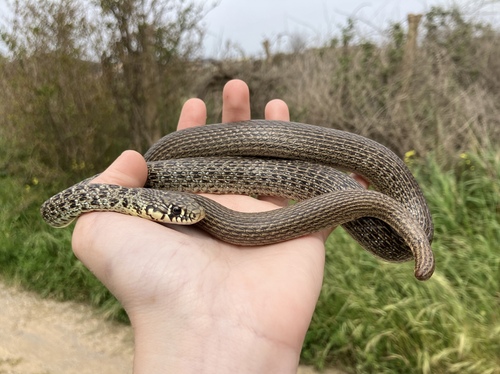
Balkan Whip Snake
Seen 3 months ago
at B-17 Bomber Wreck
Least concern
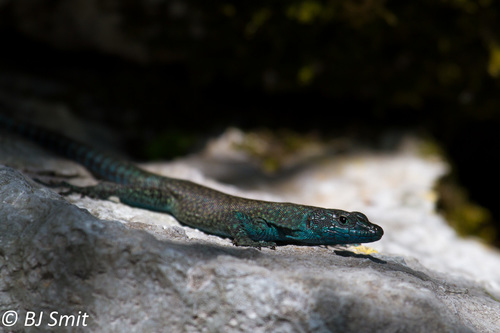
Sharp-Snouted Rock Lizard
Seen 3 months ago
at B-17 Bomber Wreck
Least concern
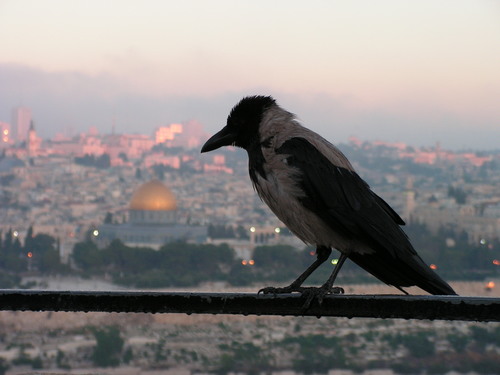
Hooded Crow
Seen 4 months ago
at B-17 Bomber Wreck
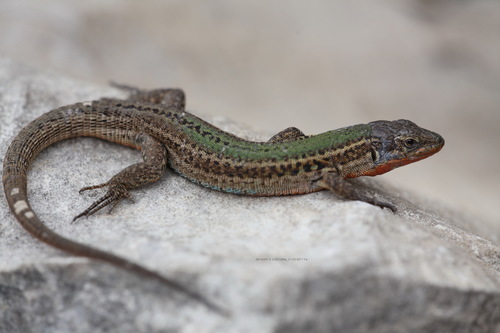
Dalmatian Wall Lizard
Seen 4 months ago
at B-17 Bomber Wreck
Least concern
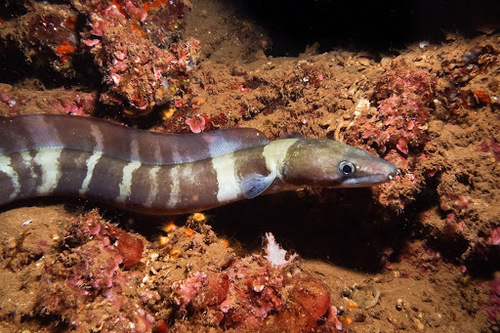
Conger eel
Seen 11 months ago
at B-17 Bomber Wreck
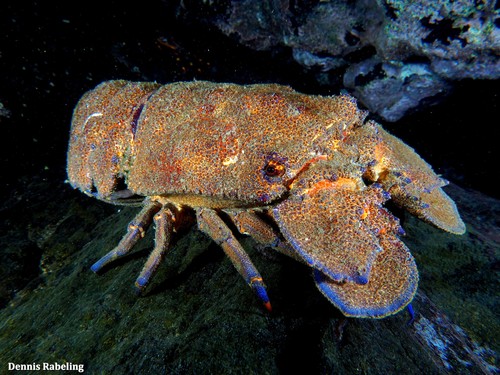
Mediterranean lobster
Seen 11 months ago
at Stenjak Cave
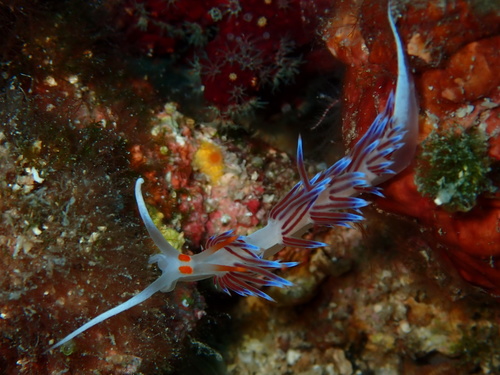
Cratena Nudibranch
Seen Sep 2025
at Ravnik Green Cave
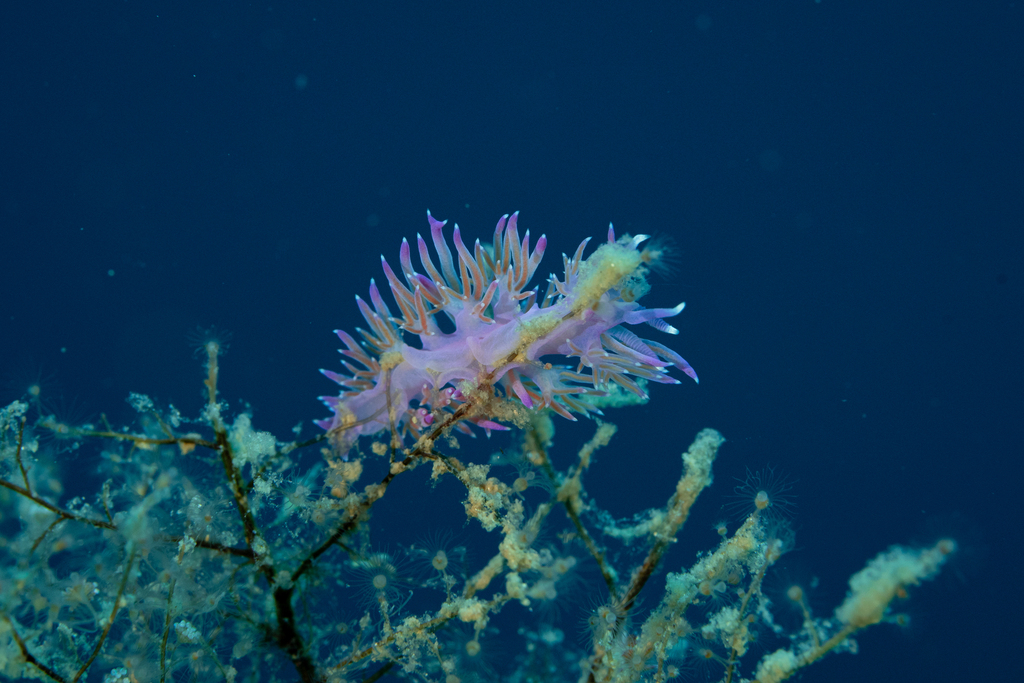
Flabellina Nudibranch
Seen Sep 2025
at Monk Seal Wall
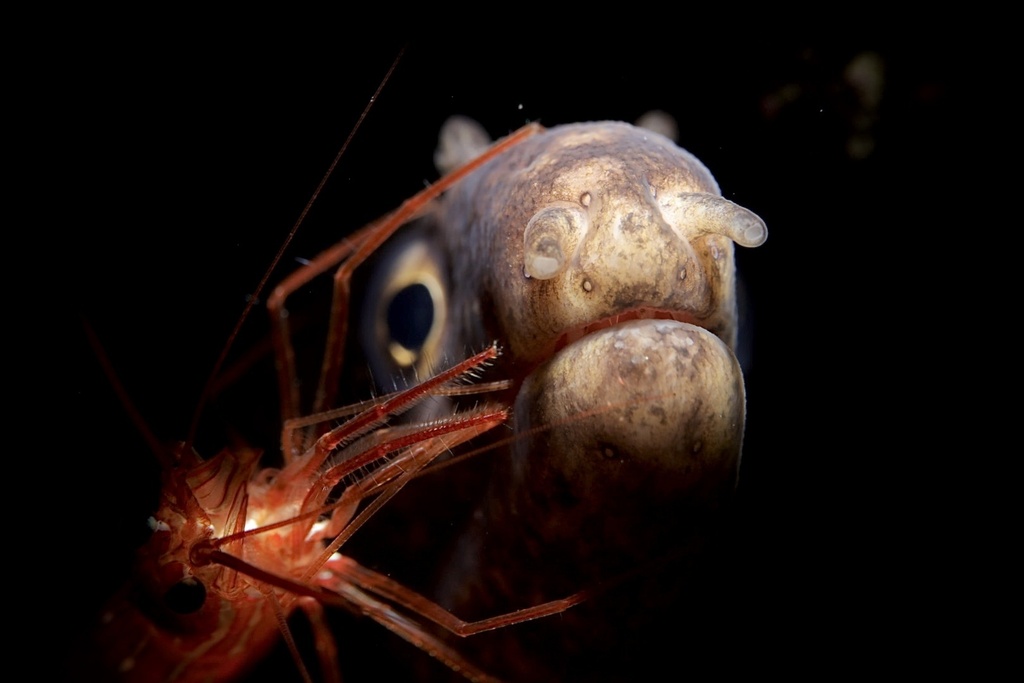
Mediterranean Moray Eel
Seen Jul 2025
at Stiniva Cave
Least concern
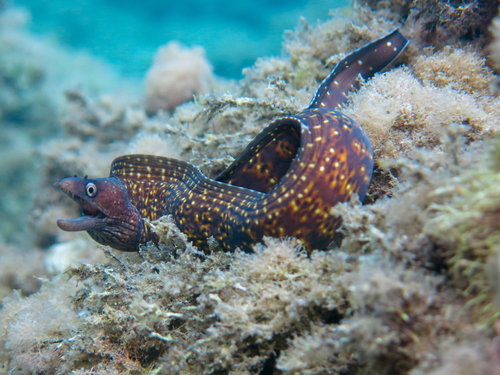
Mediterranean Moray
Seen Jul 2025
at B-17 Bomber Wreck
Least concern
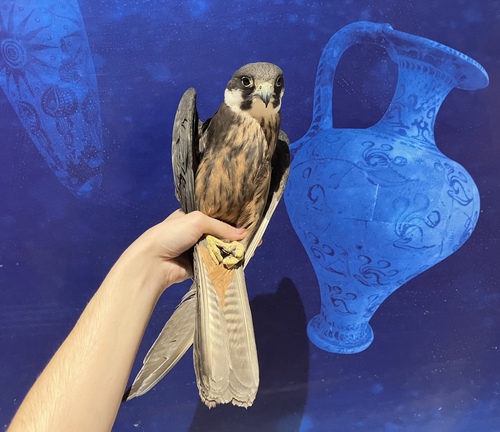
Eleonora'S Falcon
Seen Jun 2025
at Stenjak Cave
Least concern
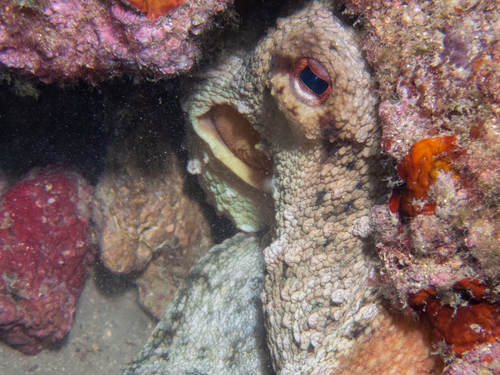
Common Octopus
Seen Sep 2024
at Ravnik Green Cave
Least concern
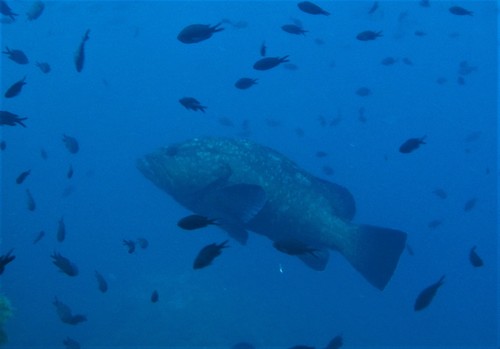
Giant Grouper
Seen Sep 2024
at Bisevo Wall
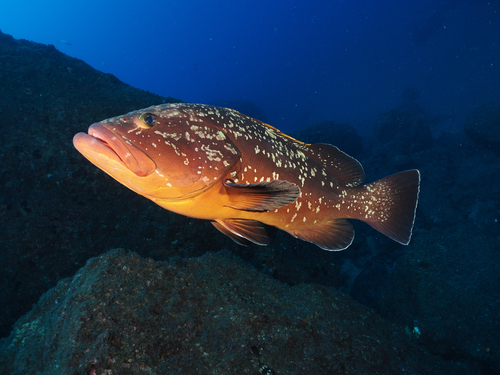
Grouper
Seen Sep 2024
at B-17 Bomber Wreck
Dusky Grouper
Seen Sep 2024
at Stiniva Cave
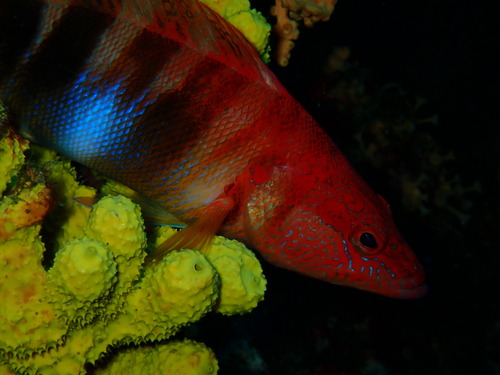
Painted Comber
Seen Jul 2024
at Ravnik Green Cave
Least concern
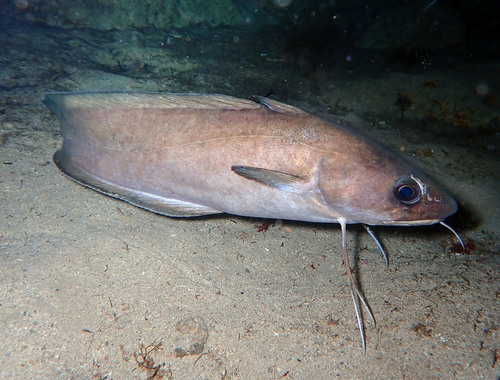
Forkbeard
Seen Jul 2024
at B-17 Bomber Wreck
Least concern
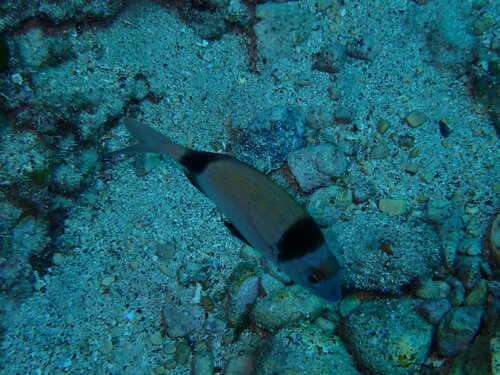
Two-banded Bream
Seen Jun 2024
at Bisevo Wall
Least concern
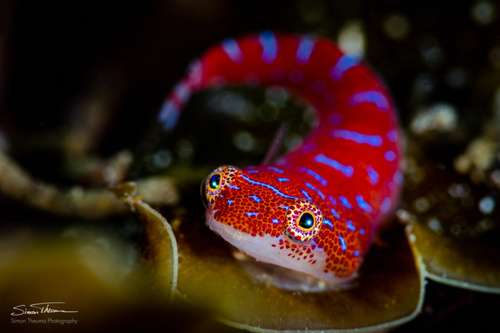
Damselfish
Seen year round
at Stenjak Cave
Least concern
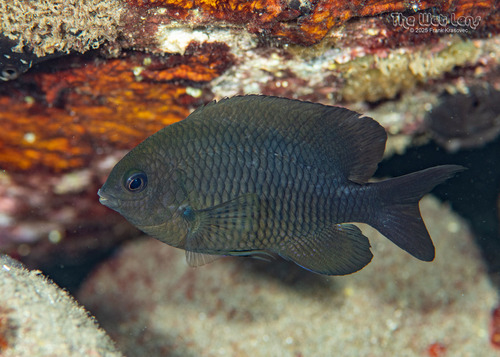
Dusky Damselfish
Seen year round
at Ravnik Green Cave
Least concern
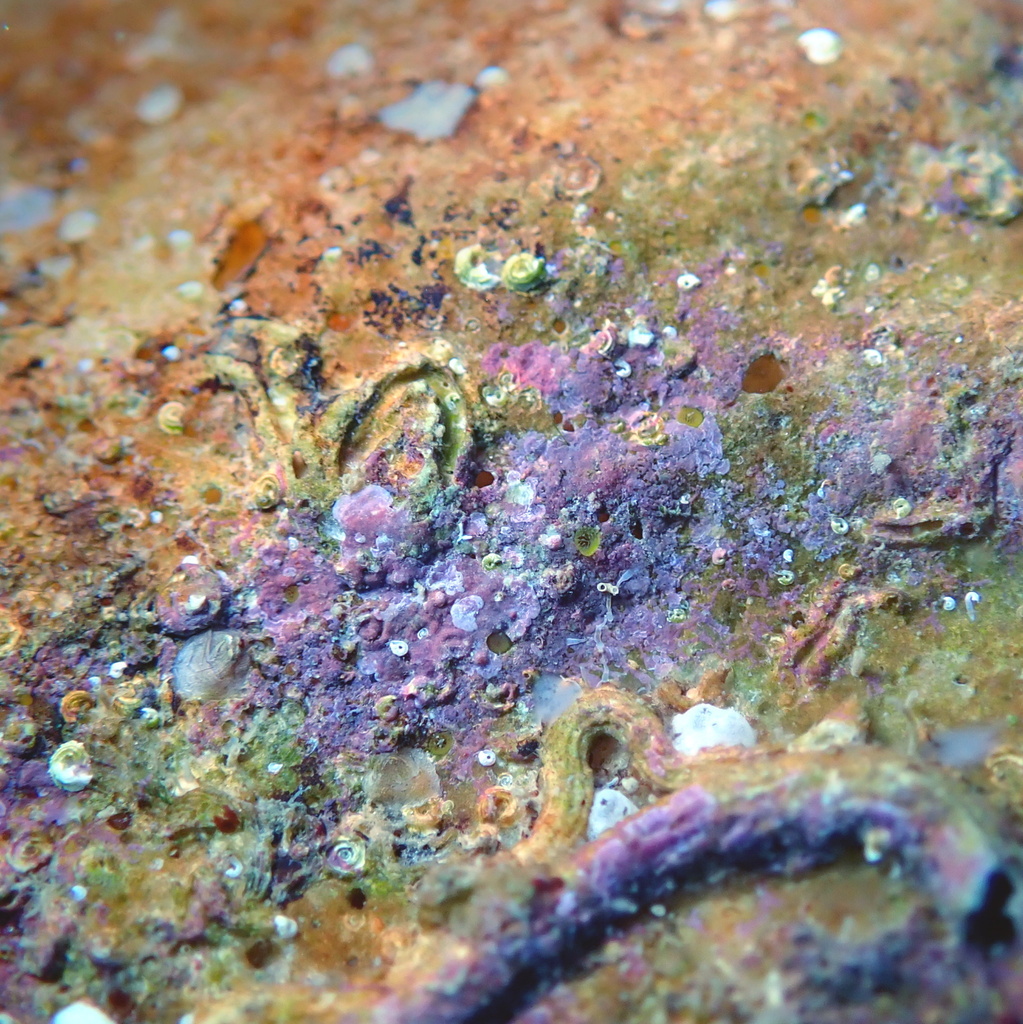
Encrusting Sponges
Seen year round
at Stiniva Cave
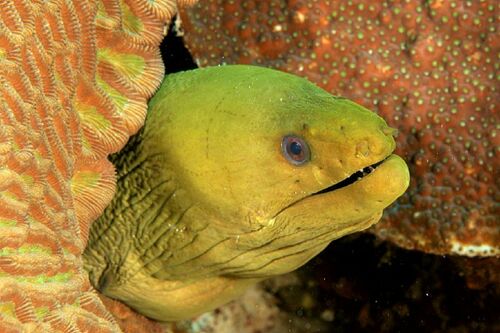
European Conger
Seen year round
at Monk Seal Wall
Least concern
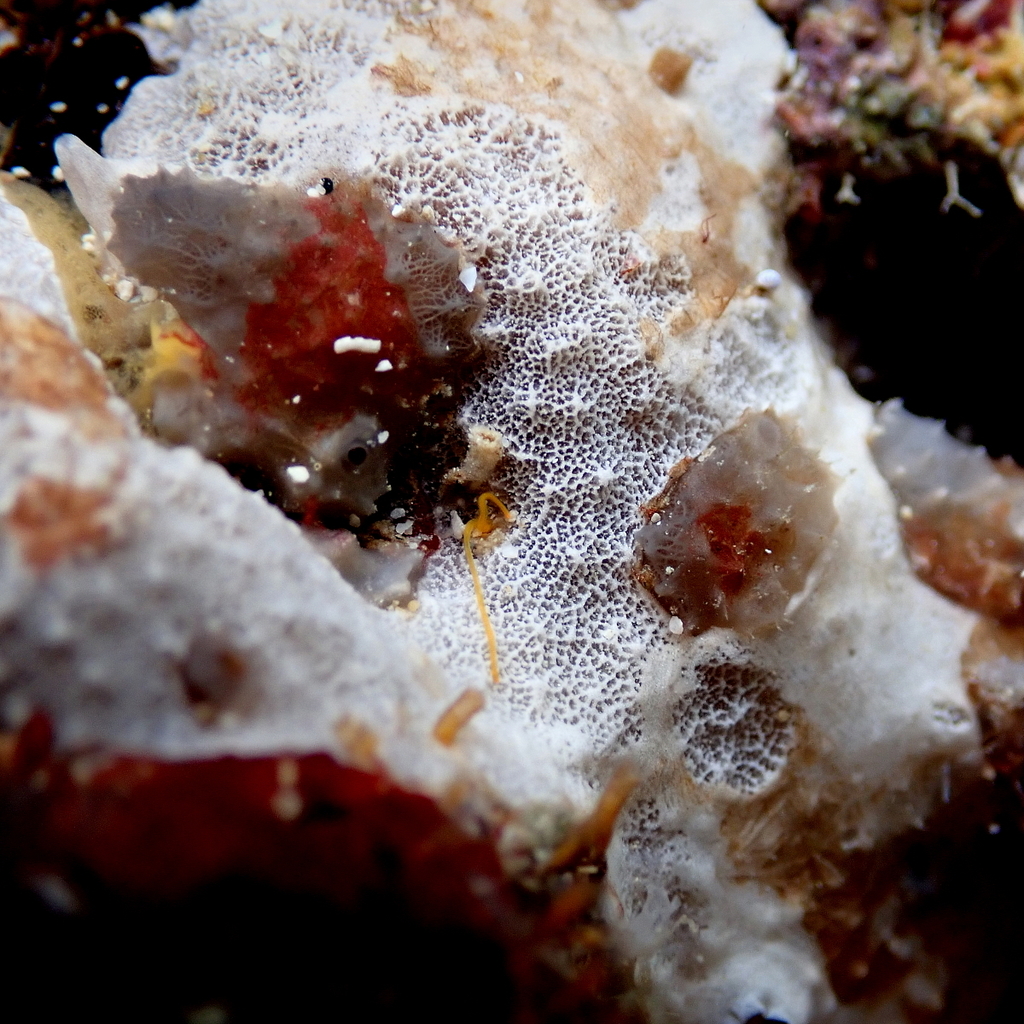
Mediterranean Sponge
Seen year round
at Ravnik Green Cave
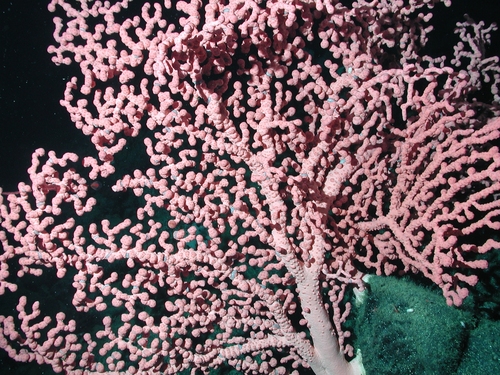
Purple Sea Fan
Seen year round
at Stiniva Cave
Near threatened
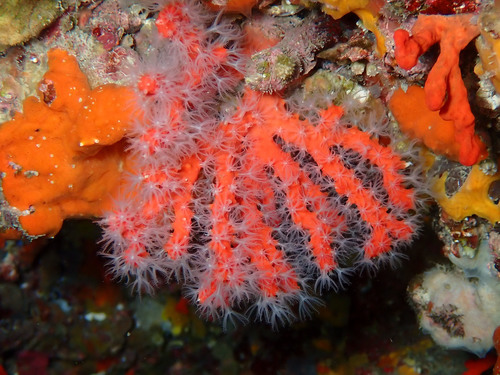
Red Coral
Seen year round
at Stiniva Cave
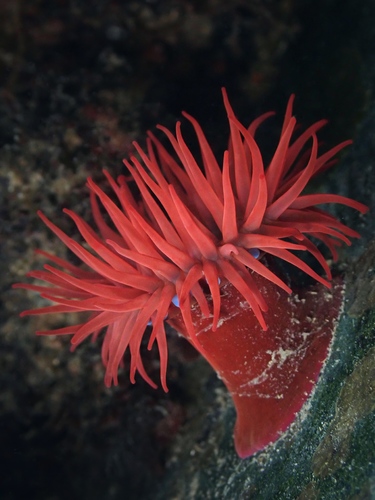
Red Sea Anemone
Seen year round
at Ravnik Green Cave
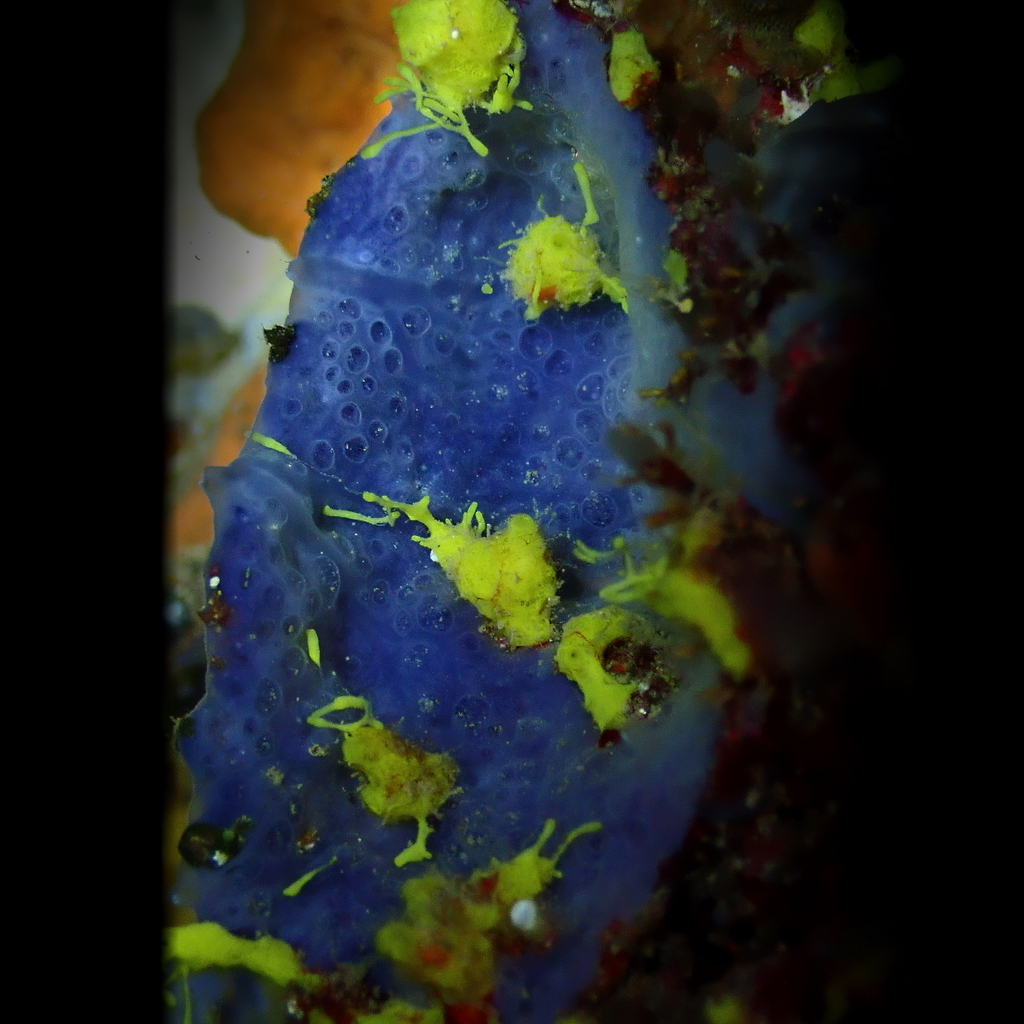
Yellow Tube Sponge
Seen year round
at Monk Seal Wall
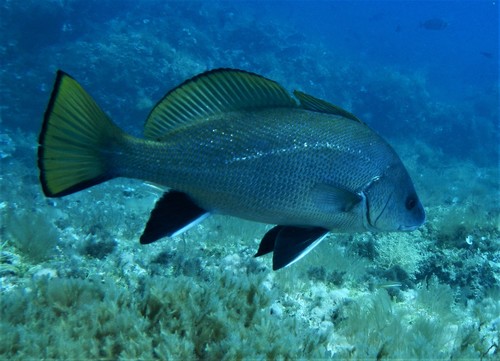
Brown Meagre
Seasonal visitor
at Bisevo Wall
Near threatened
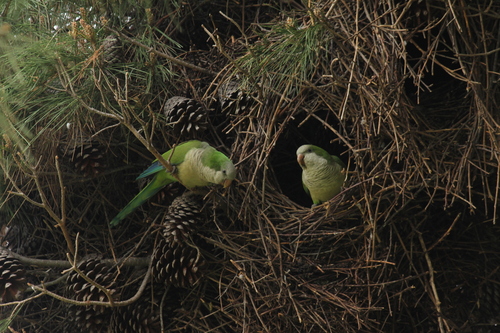
Mediterranean Monk Seal
Seasonal visitor
at Monk Seal Wall
Vulnerable
Dive sites
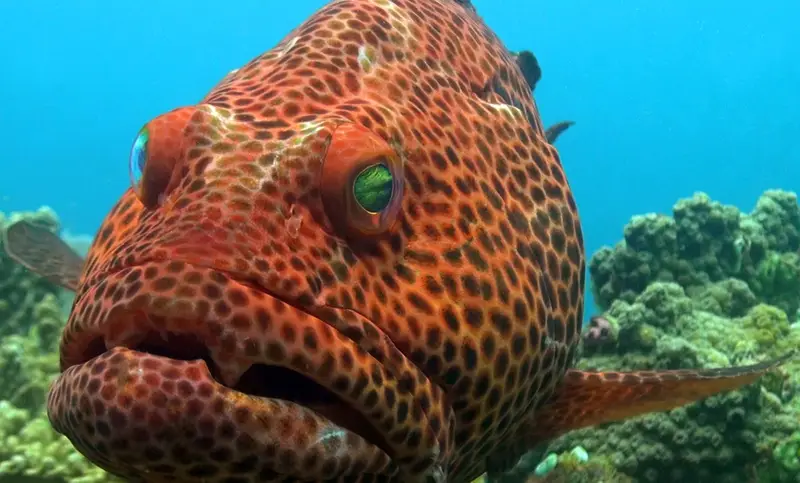
B-17 Bomber Wreck
conger eel · forkbeard · grouper · dalmatian wall lizard
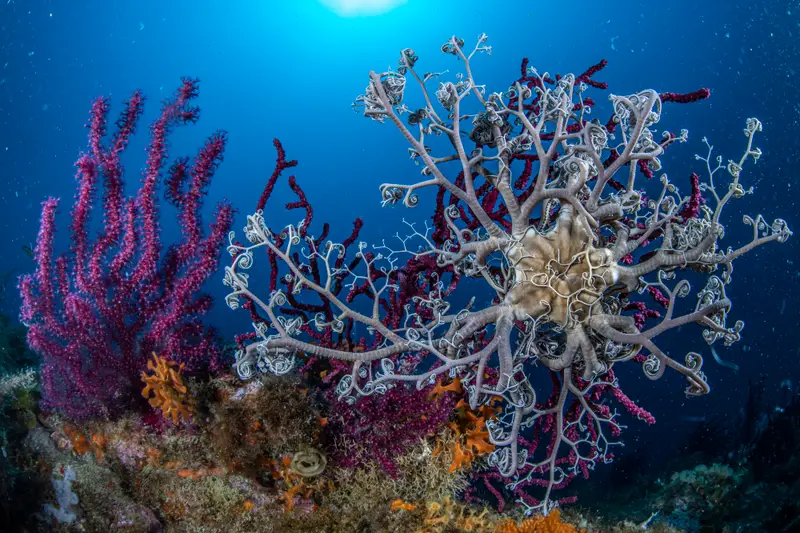
Stenjak Cave
mediterranean lobster · conger eel · damselfish · dalmatian wall lizard
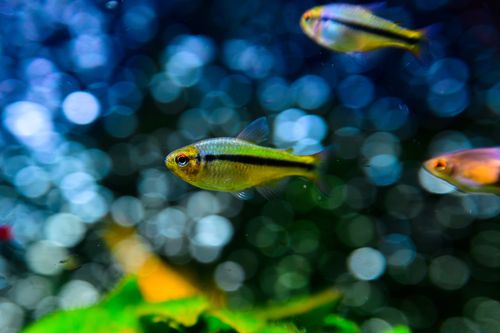
Stiniva Cave
common dentex · mediterranean moray eel · red coral · purple sea fan
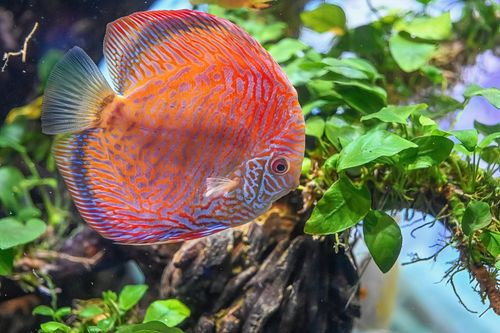
Monk Seal Wall
dusky grouper · european conger · saddled bream · red coral
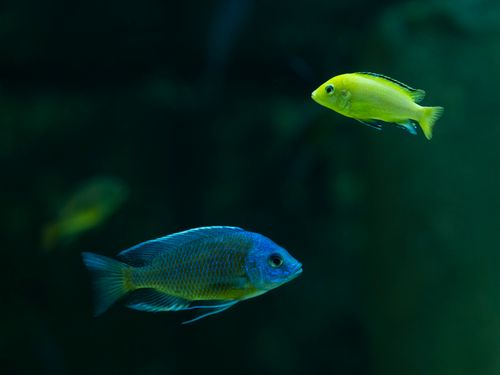
Bisevo Wall
giant grouper · saddled bream · two-banded bream · mediterranean moray eel
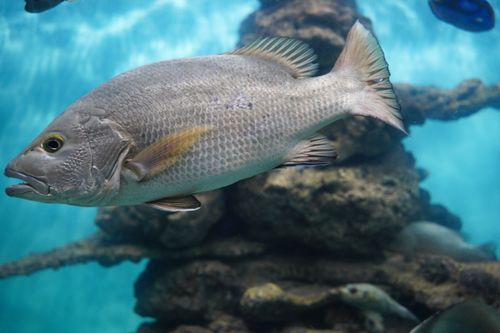
Ravnik Green Cave
common octopus · cratena nudibranch · mediterranean sponge · conger eel
What divers say
A B-17 sitting on a sand bottom at 70m, intact. Vis is for wreck divers willing to come this far.
Good to know
Deep wrecks
Several wrecks sit at 50–70m+. Tech training opens them up.