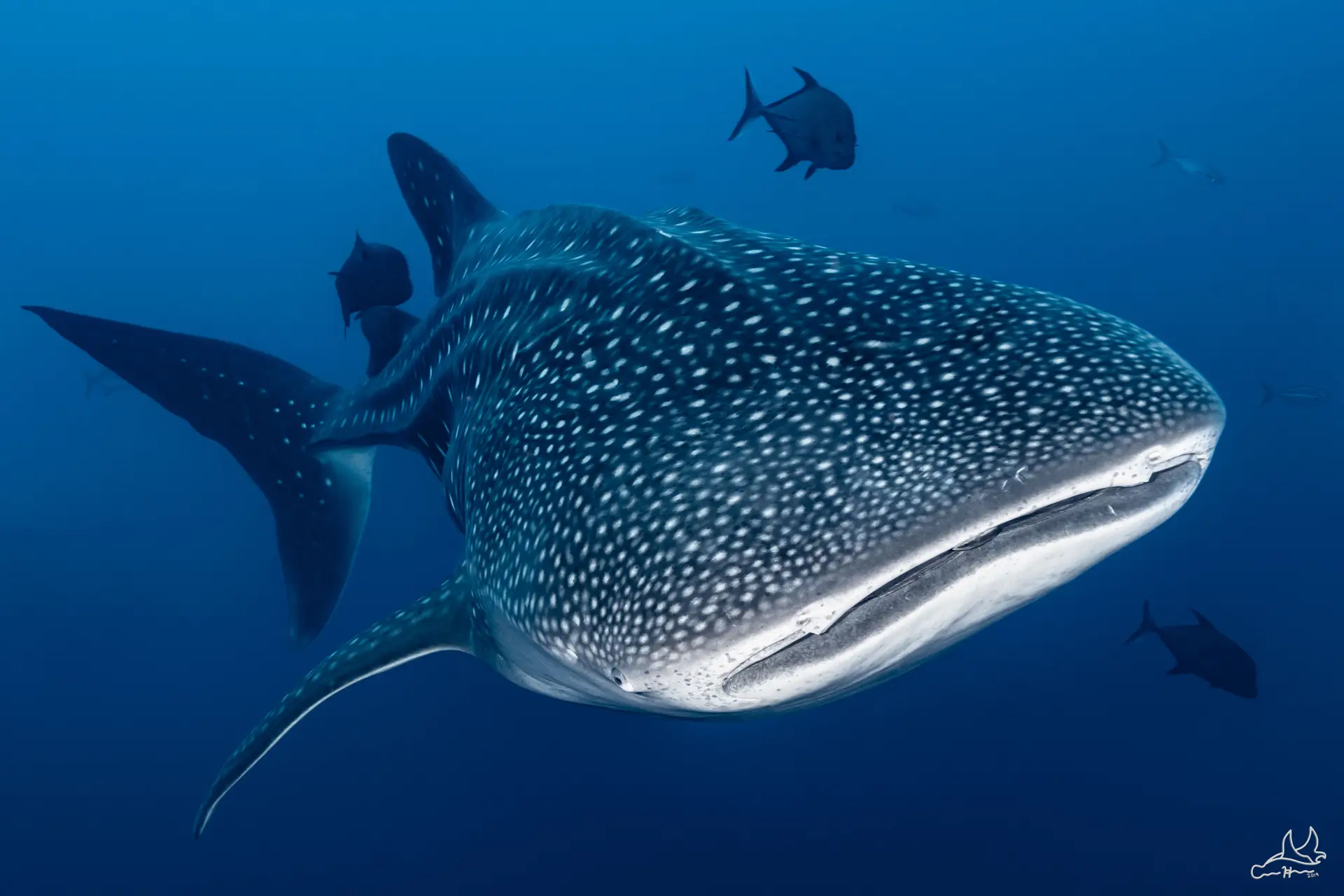
Mergui Archipelago
Myanmar · Andaman Sea
The Mergui (Myeik) Archipelago is 800 islands in the Andaman Sea off southern Myanmar — barely explored, accessed only by liveaboard from Thailand, with reef shark aggregations, manta rays, and the occasional whale shark. The marine park feels untouched because it largely is.
How this reef is doing
ⓘ How we measure thisReef state
Remote, lightly dived. Cover holds up better than at the more trafficked sites further south.
Coral cover
Fish life
Heat
No unusual heat right now.
Fishing
Some fishing is allowed here, in marked zones.
Sources · GCRMN reef surveys · NOAA Coral Reef Watch · Global Fishing Watch and reef gravity
Coral cover over time
Live coral cover, by survey year
Across surveys in 2014 and 2024, live coral cover here has fallen from 39% to 36%. Every point is a real survey reading, never a projection.
Live coral cover, percent by year
| Year | Coral cover |
|---|---|
| 2014 | 39% |
| 2024 | 36% |
What you will see
35 species across the dive sites here
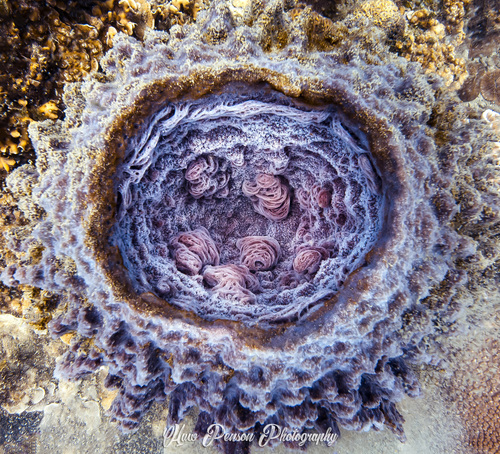
Barrel Sponge
Seen year round
at Sail Rock
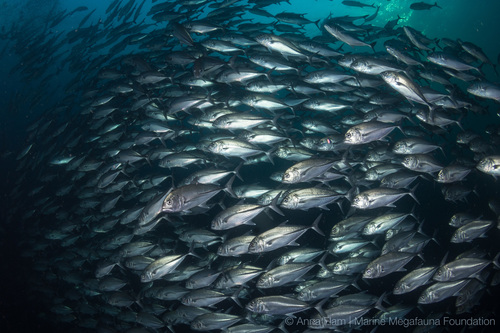
Bigeye trevally
Seen year round
at Western Rocky
Least concern
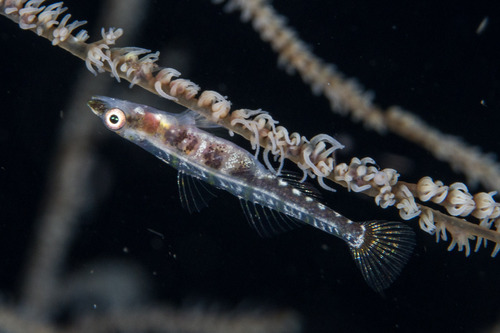
Black Coral
Seen year round
at Western Rocky
Black Coral Tree
Seen year round
at Sail Rock
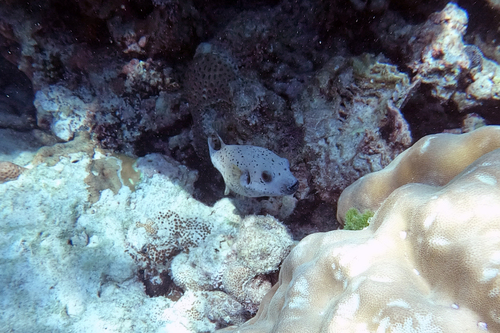
Blackspotted Pufferfish
Seen year round
at Shark Cave
Least concern
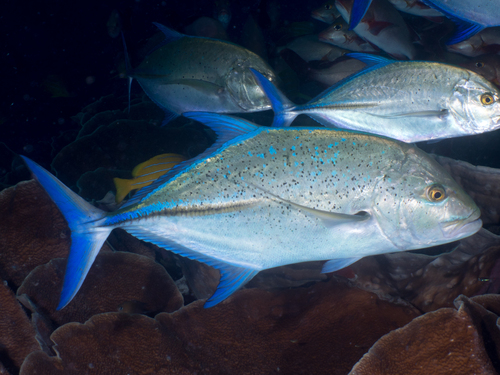
Bluefin Trevally
Seen year round
at Three Islets
Least concern
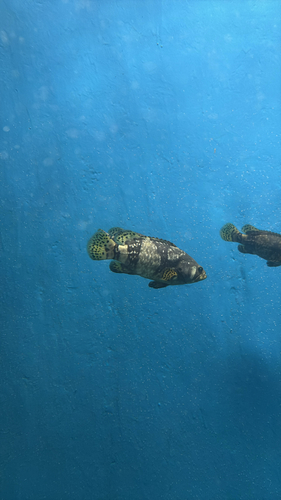
Giant grouper
Seen year round
at Western Rocky
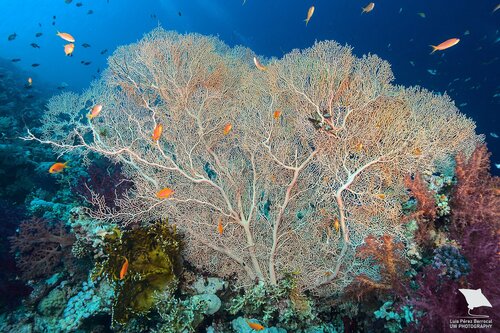
Giant Sea Fan
Seen year round
at Three Islets
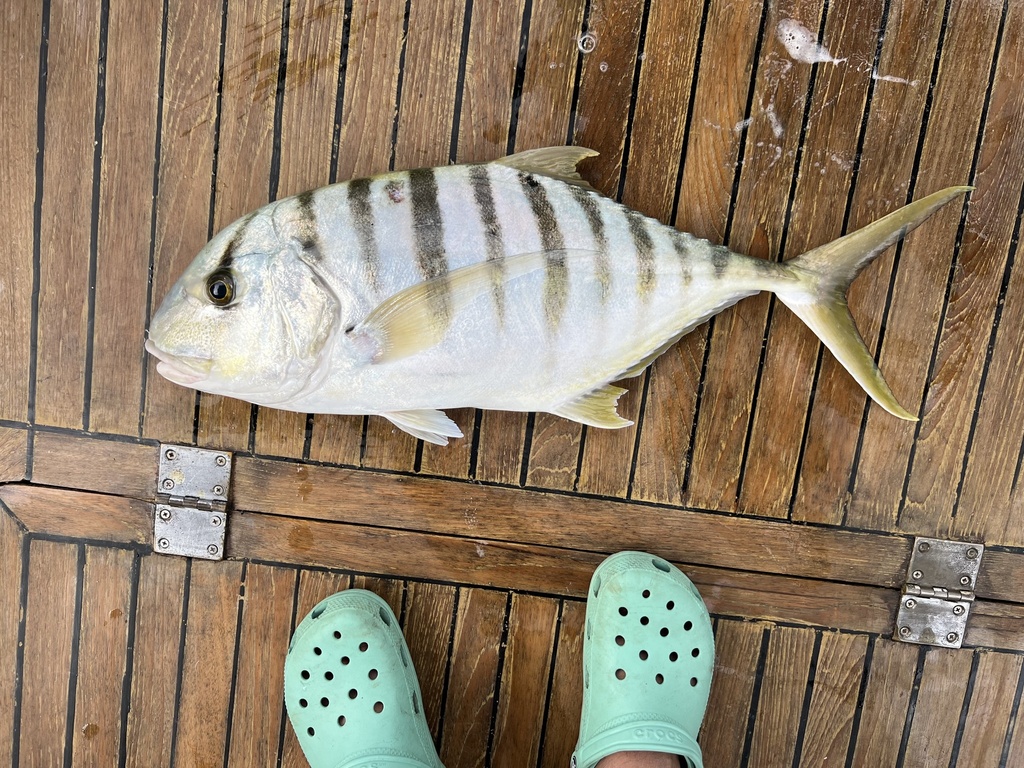
Golden Trevally
Seen year round
at Three Islets
Least concern
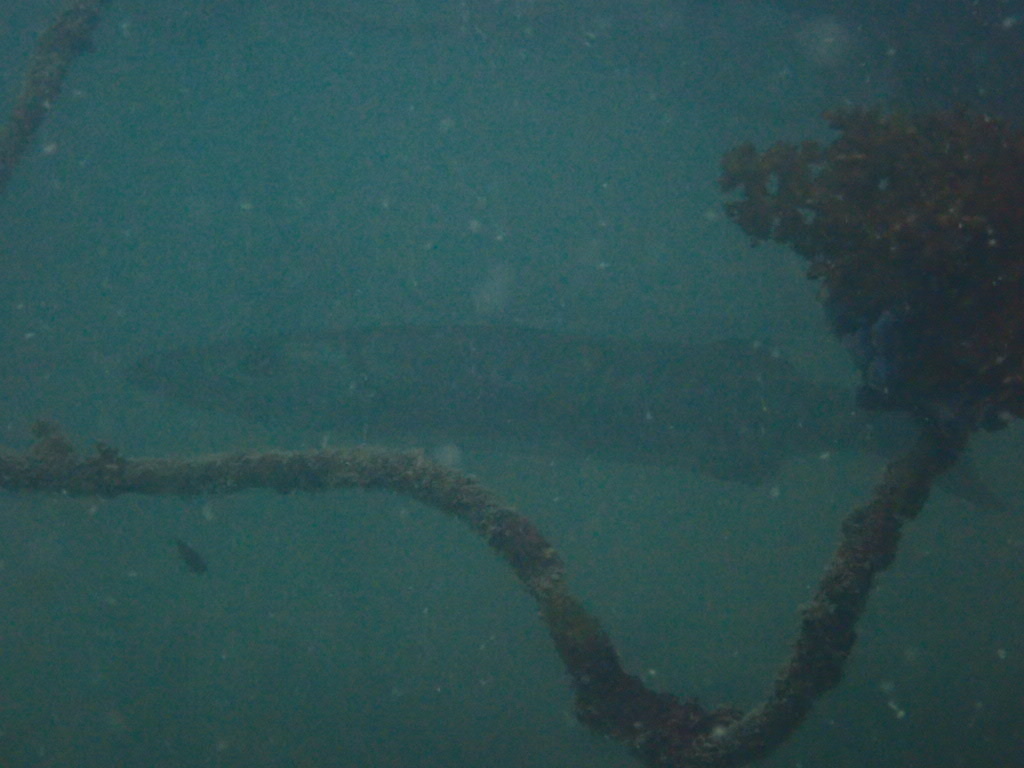
Great barracuda
Seen year round
at Black Rock
Least concern
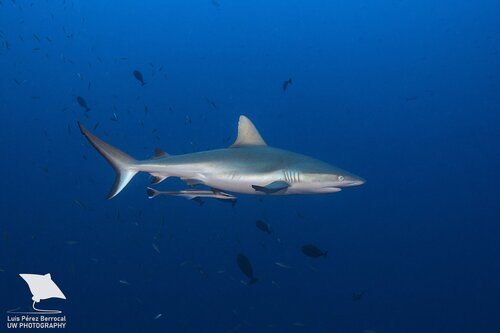
Grey reef shark
Seen year round
at Black Rock
Endangered
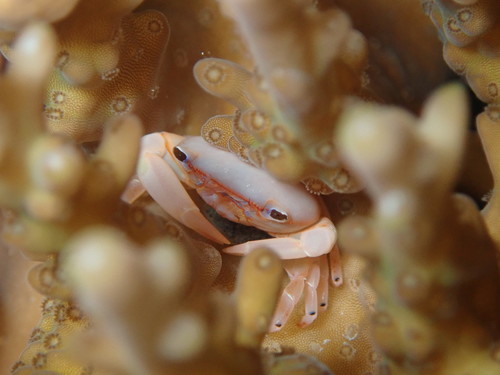
Hard Coral (Acropora)
Seen year round
at Shark Cave
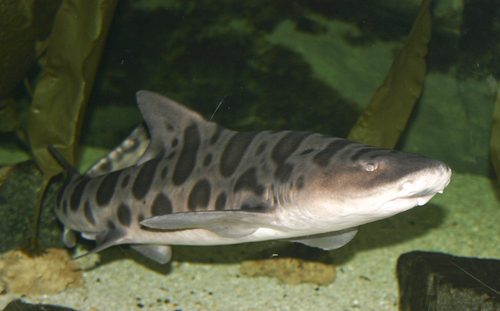
Leopard Shark
Seen year round
at Western Rocky
Least concern
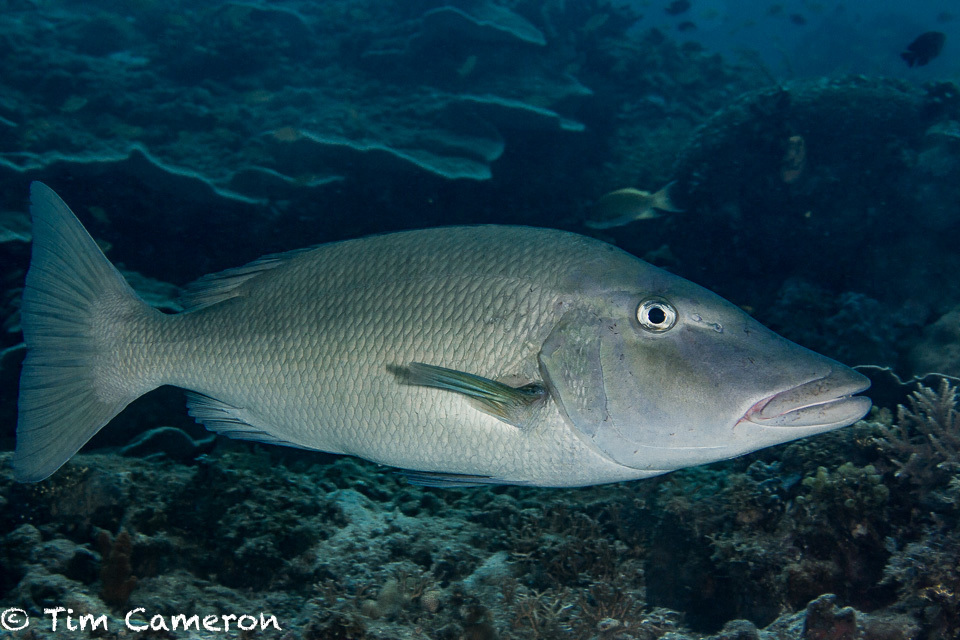
Longface Emperor
Seen year round
at Three Islets
Least concern
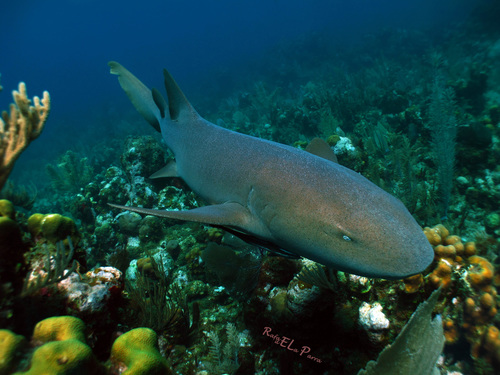
Nurse Shark
Seen year round
at Three Islets
Vulnerable
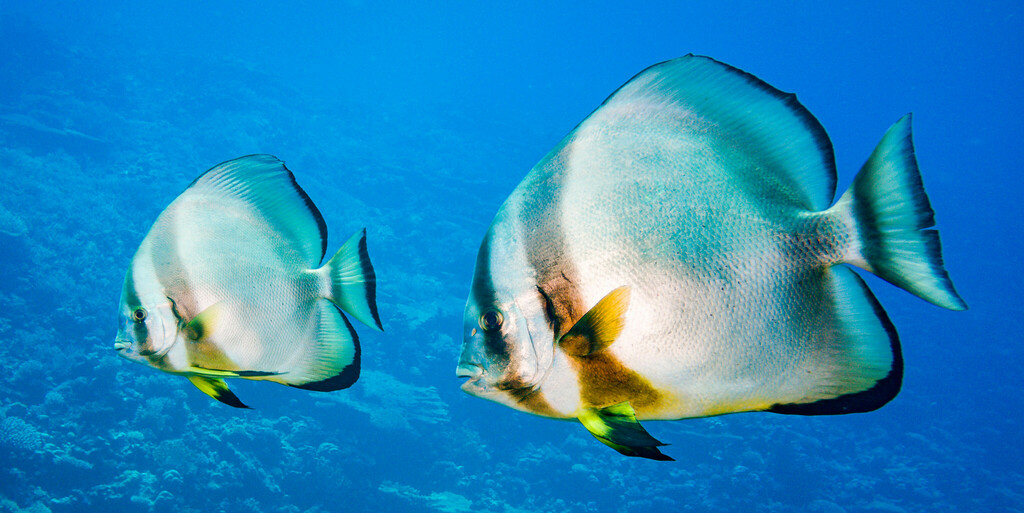
Round Batfish
Seen year round
at Three Islets
Least concern
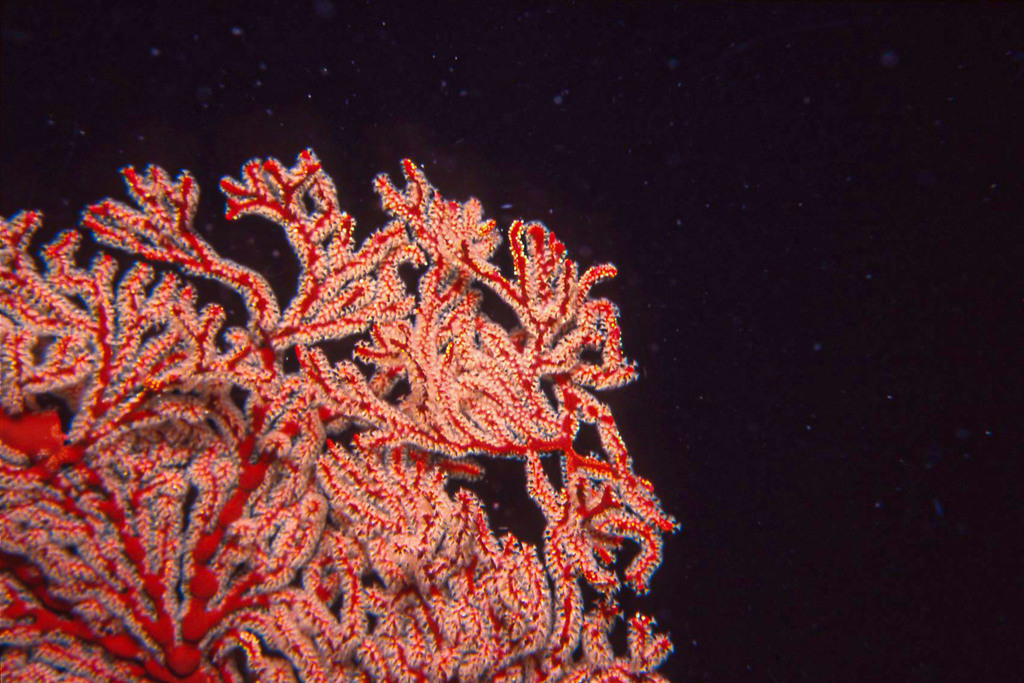
Sea fan coral
Seen year round
at Western Rocky
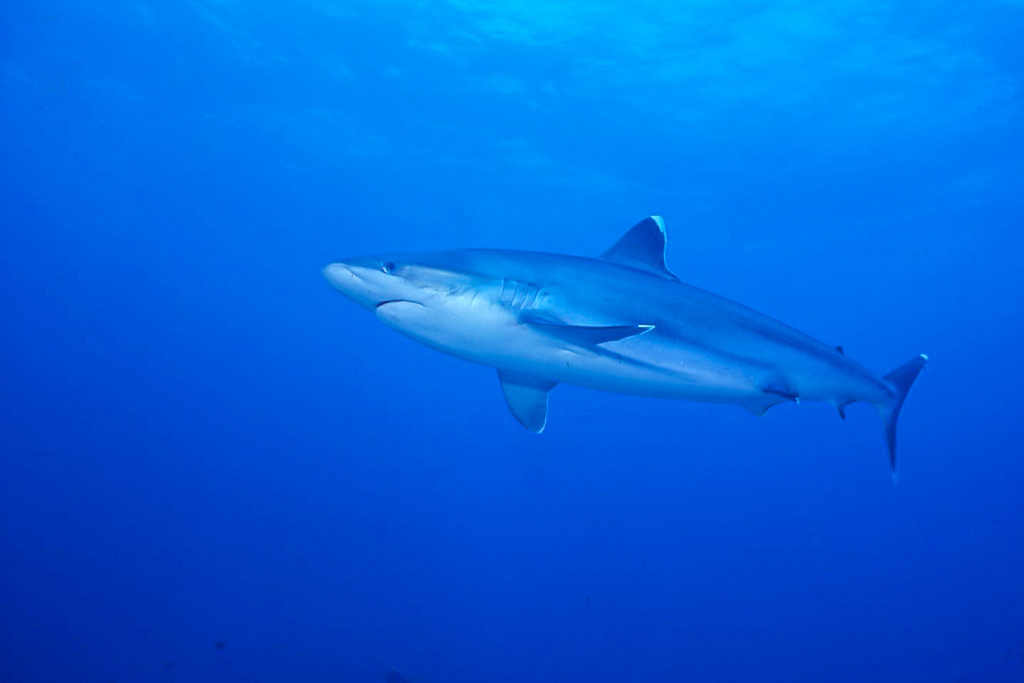
Silvertip shark
Seen year round
at Black Rock
Vulnerable
Soft Coral
Seen year round
at Shark Cave
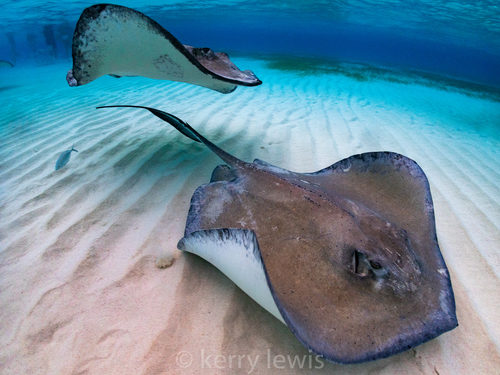
Southern Stingray
Seen year round
at North Twin Pinnacle
Near threatened
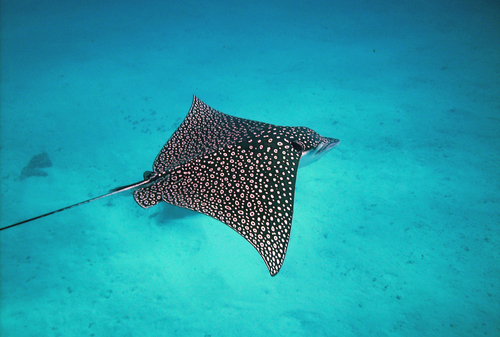
Spotted eagle ray
Seen year round
at Black Rock
Endangered
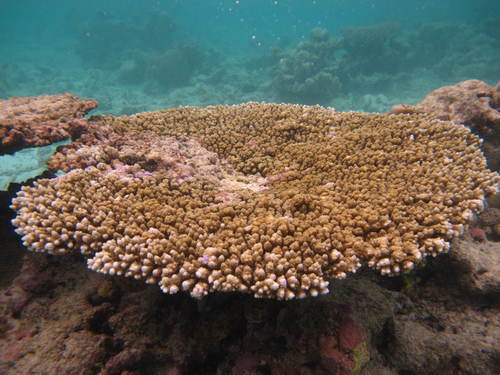
Table Coral
Seen year round
at North Twin Pinnacle
Endangered
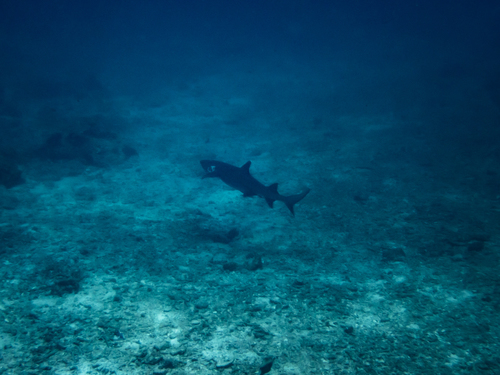
Whitetip Reef Shark
Seen year round
at Shark Cave
Vulnerable
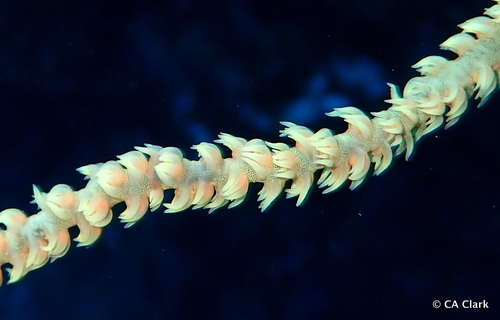
Wire Coral
Seen year round
at Three Islets
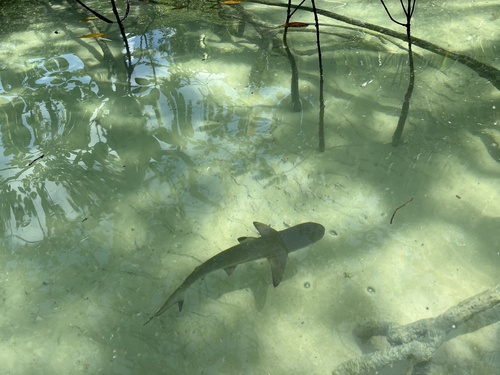
Black Tip Reef Shark
Seasonal visitor
at North Twin Pinnacle
Vulnerable

Bumphead parrotfish
Seasonal visitor
at Western Rocky
Vulnerable
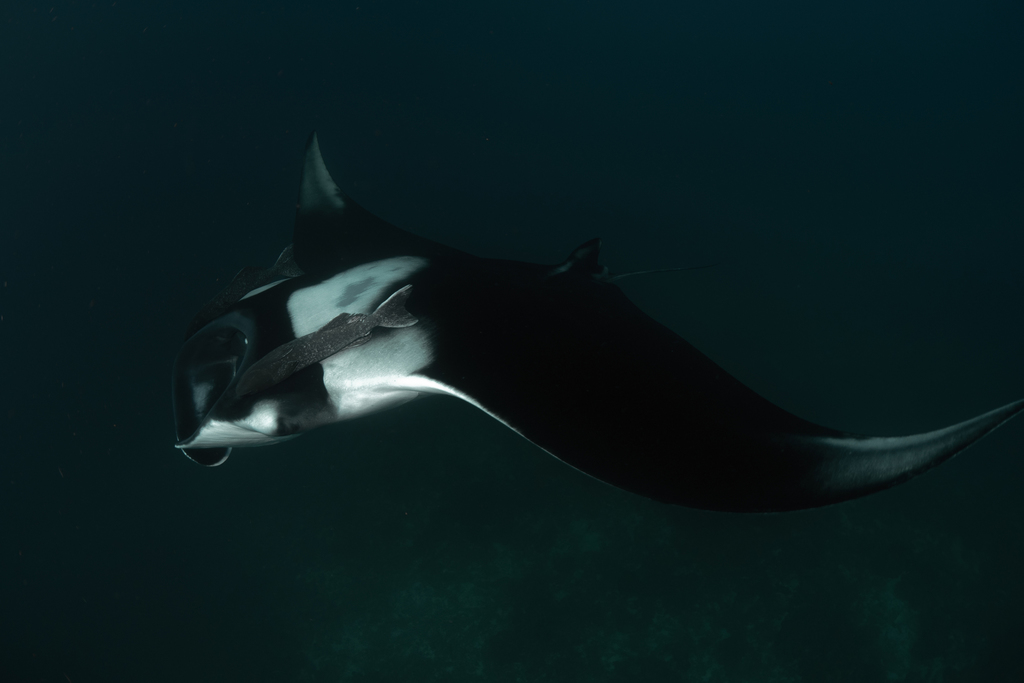
Giant oceanic manta ray
Seasonal visitor
at Black Rock
Endangered
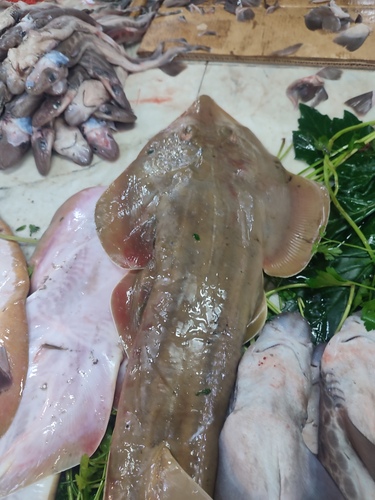
Guitar Shark
Seasonal visitor
at Shark Cave

Oceanic Whitetip Shark
Seasonal visitor
at Western Rocky
Critically endangered
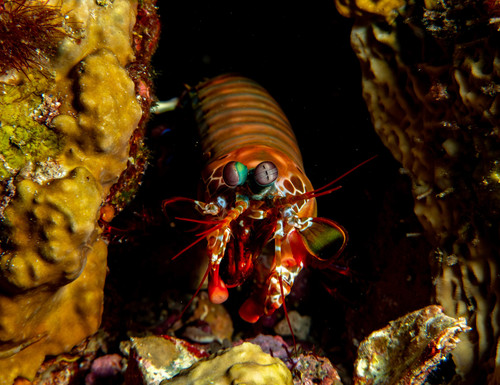
Peacock Mantis Shrimp
Seasonal visitor
at Shark Cave
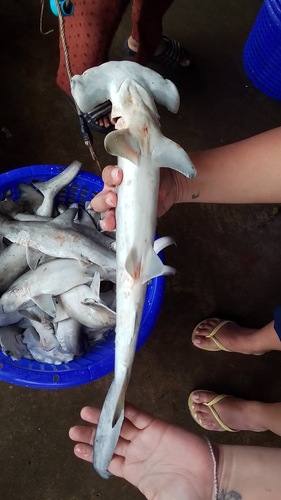
Scalloped hammerhead shark
Seasonal visitor
at Western Rocky
Critically endangered
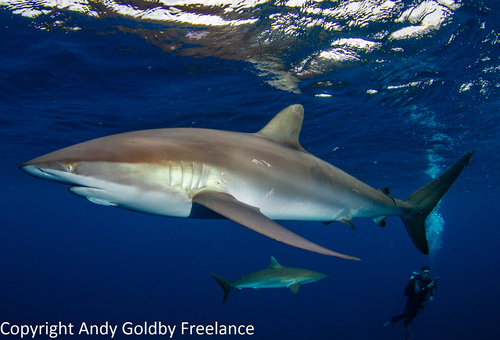
Silky Shark
Seasonal visitor
at Western Rocky
Vulnerable
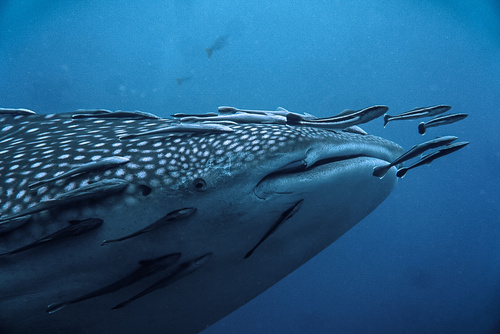
Whale shark
Seasonal visitor
at Black Rock
Endangered
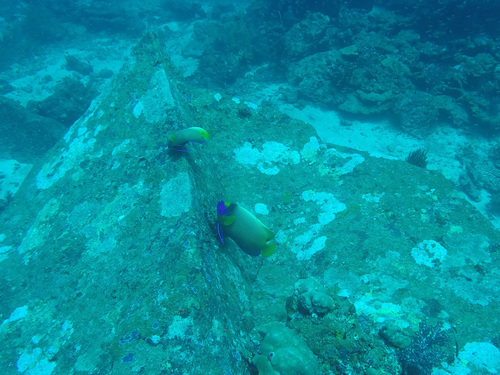
Yellowface Angelfish
Seasonal visitor
at Shark Cave
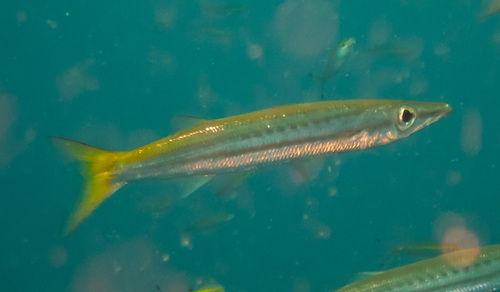
Yellowtail Barracuda
Seasonal visitor
at North Twin Pinnacle
Least concern
Dive sites
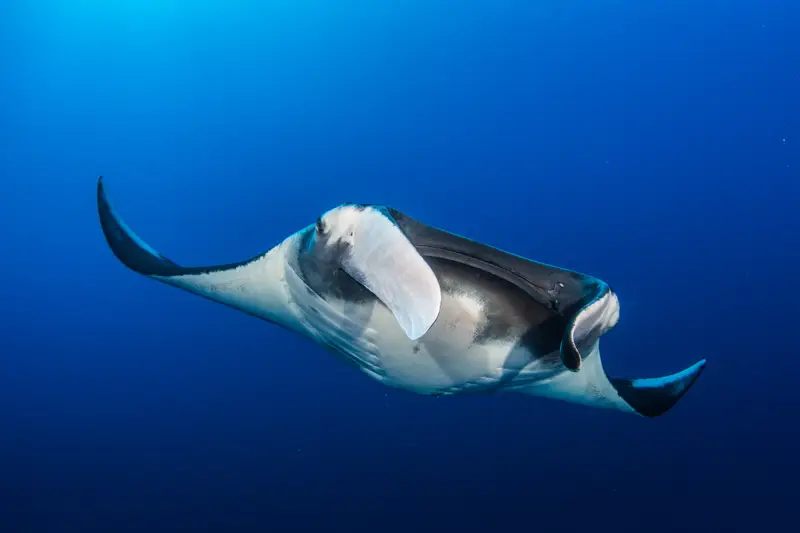
Black Rock
giant oceanic manta ray · whale shark · silvertip shark · grey reef shark
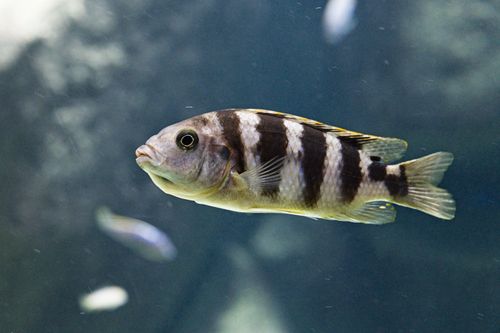
Three Islets
nurse shark · giant sea fan · golden trevally · round batfish
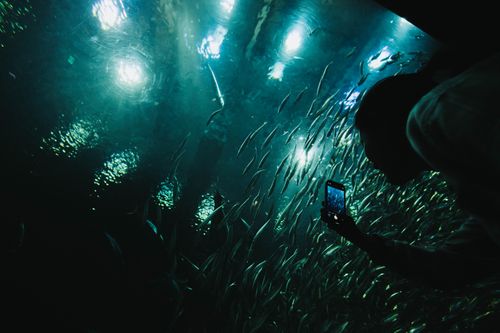
Western Rocky
scalloped hammerhead shark · whale shark · grey reef shark · silvertip shark
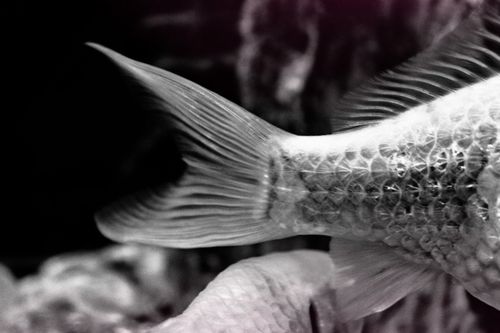
Shark Cave
whitetip reef shark · nurse shark · guitar shark · blackspotted pufferfish
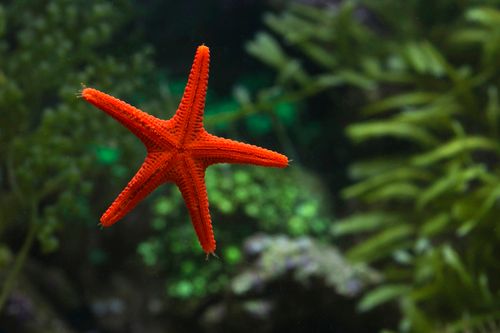
Sail Rock
silvertip shark · whitetip reef shark · whale shark · giant sea fan
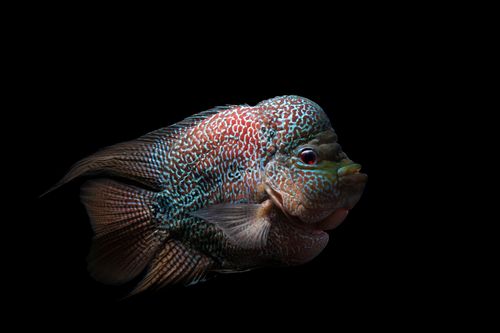
Western Rocky
oceanic whitetip shark · silky shark · leopard shark · great barracuda
What divers say
We didn't see another dive boat for six days. That alone is becoming impossible elsewhere.
Good to know
Visa
Most trips check you out of Thailand and into Myanmar at sea — your operator handles paperwork.
Political situation
Check current advisories before booking. Conditions on the ground have been unstable.