Capo Carbonara
Italy · Mediterranean
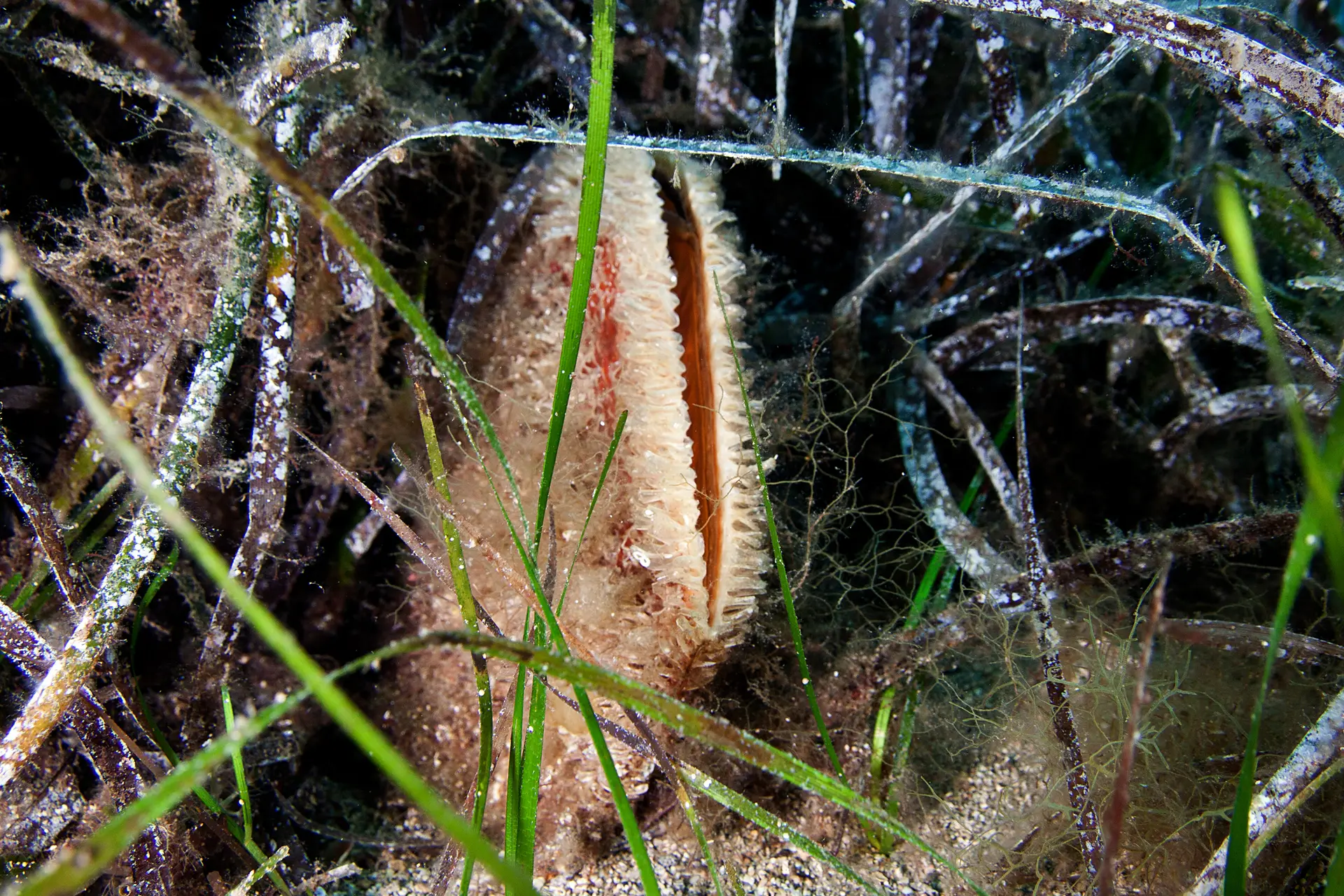
Capo Carbonara off Sardinia's southeast coast is a marine protected area — granite and limestone walls, posidonia seagrass meadows, octopus, grouper, and Roman shipwrecks scattered on the bottom.
How this reef is doing
ⓘ How we measure thisReef state
Posidonia meadows and rocky reef. Seagrass loss is the leading conservation concern, not coral bleaching.
Coral cover
Fish life
Heat
Hot enough that coral is bleaching now.
Fishing
Protected on paper, but boats are still busy nearby.
Sources · Reef survey · NOAA Coral Reef Watch · Global Fishing Watch and reef gravity
Coral cover over time
Live coral cover, by survey year
Across surveys in 2014 and 2024, live coral cover here has held steady at about 12%. Every point is a real survey reading, never a projection.
Live coral cover, percent by year
| Year | Coral cover |
|---|---|
| 2014 | 12% |
| 2024 | 12% |
What you will see
25 species across the dive sites here
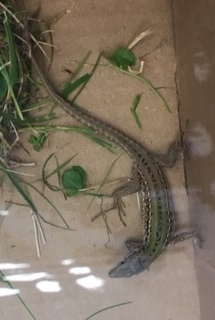
Italian Wall Lizard
Seen 3 months ago
at Capo Testa
Least concern
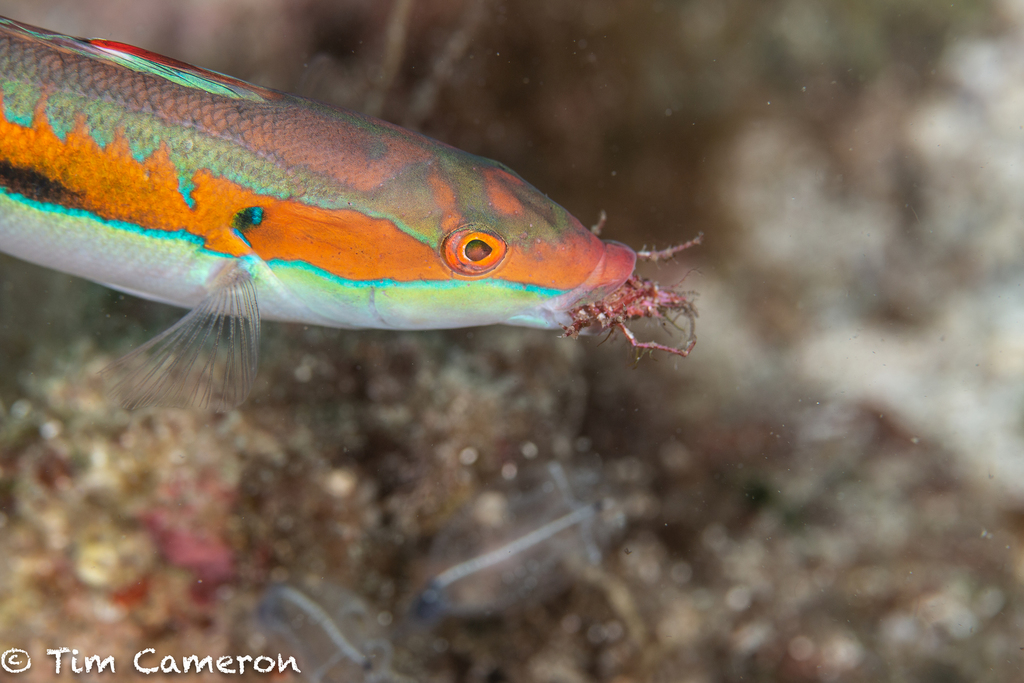
Mediterranean rainbow wrasse
Seen 3 months ago
at Capo Caccia Wall
Least concern
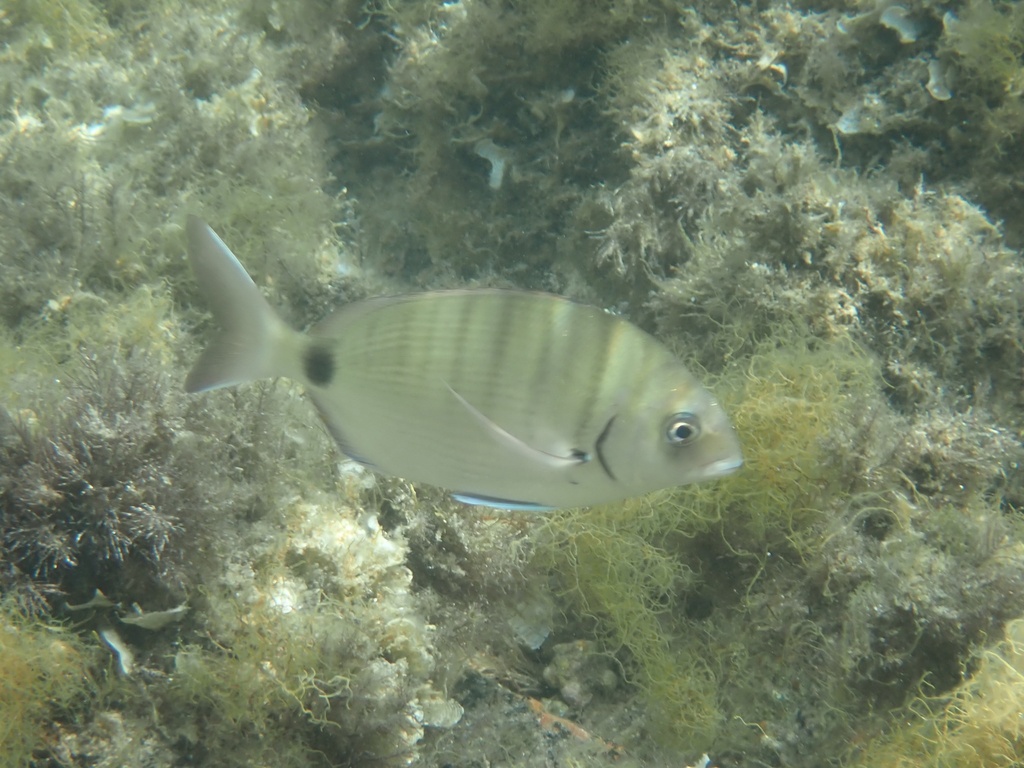
White Sea Bream
Seen 3 months ago
at Neptune's Grotto
Least concern
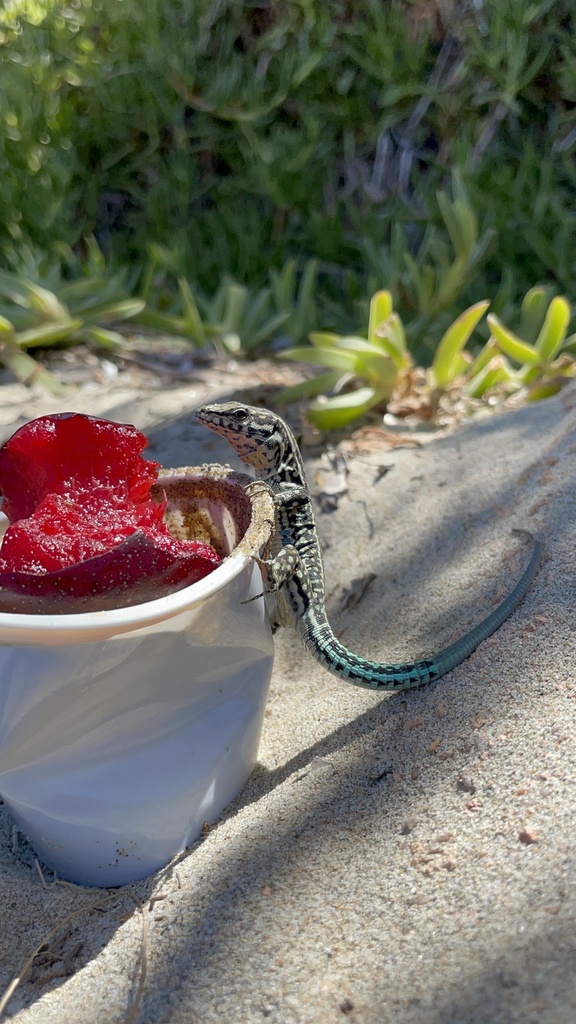
Tyrrhenian Wall Lizard
Seen 3 months ago
at Capo Testa
Least concern
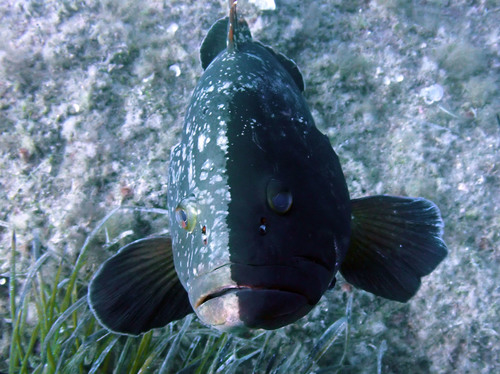
Dusky grouper
Seen 3 months ago
at La Maddalena Archipelago
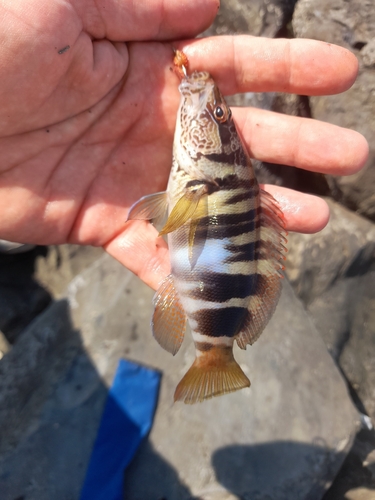
Painted comber
Seen 3 months ago
at Capo Testa
Least concern
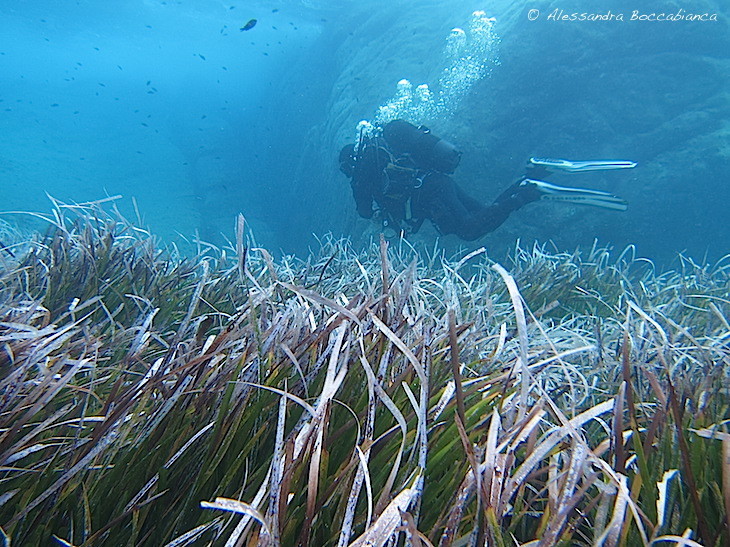
Posidonia seagrass
Seen 3 months ago
at Capo Testa
Least concern

Hooded Crow
Seen 3 months ago
at Neptune's Grotto
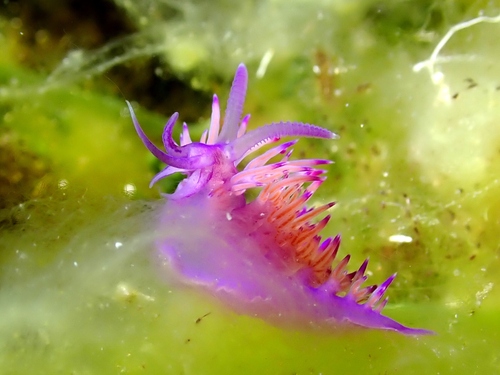
Flabellina nudibranch
Seen 3 months ago
at Capo Testa
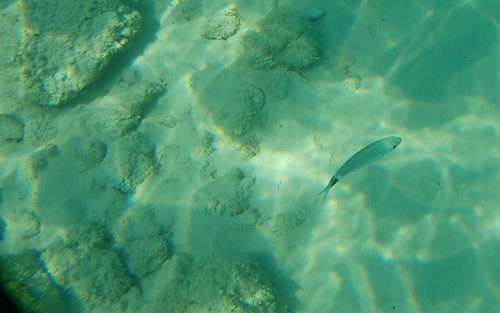
Saddled Seabream
Seen 3 months ago
at Capo Testa
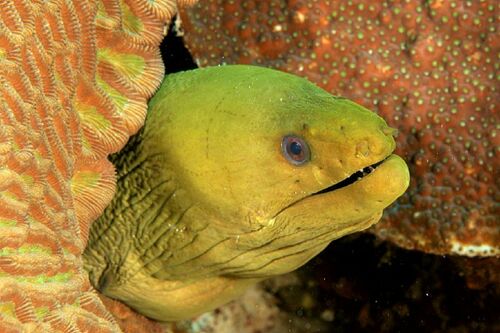
European conger
Seen 4 months ago
at Nereo Cave
Least concern
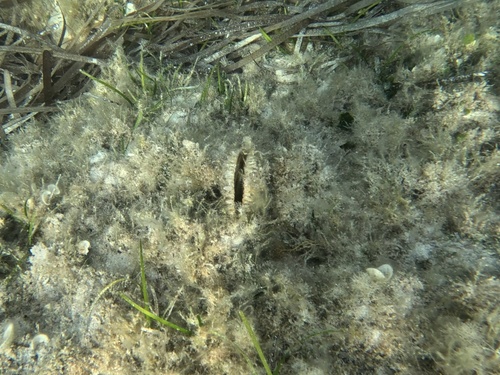
Noble pen shell
Seen 4 months ago
at Capo Caccia Wall
Critically endangered
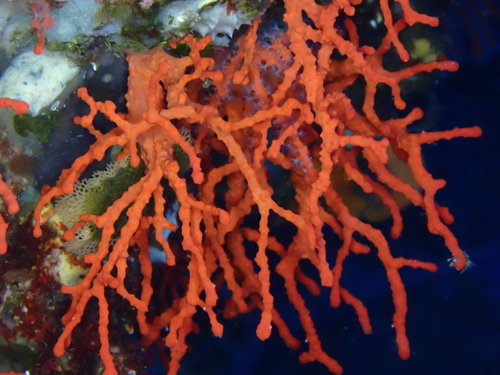
Red coral
Seen 4 months ago
at Nereo Cave
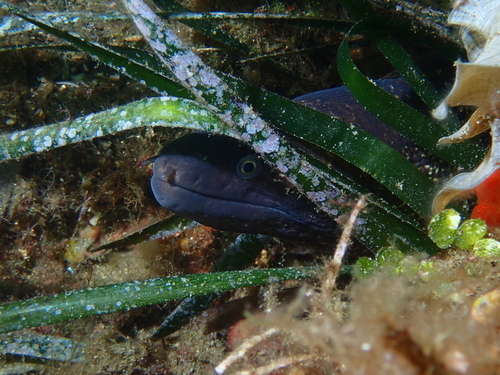
Mediterranean moray
Seen Sep 2025
at La Maddalena Archipelago
Least concern
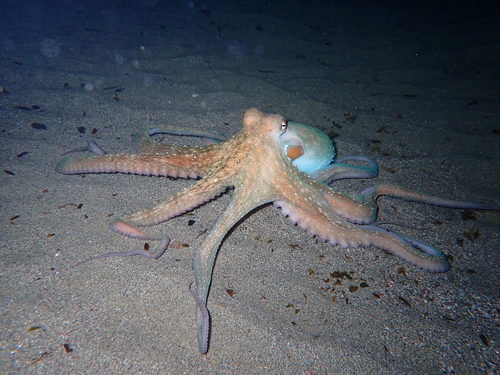
Octopus
Seen Sep 2025
at Capo Testa
Least concern
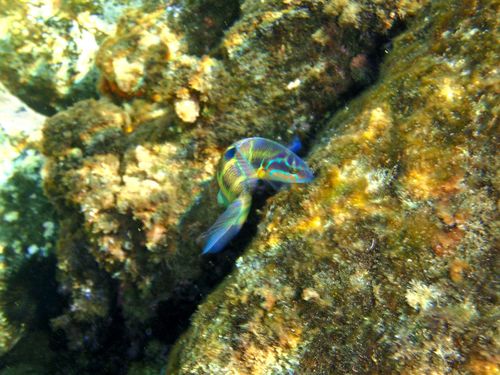
Ornate wrasse
Seen Sep 2025
at Asinara Marine Park
Least concern
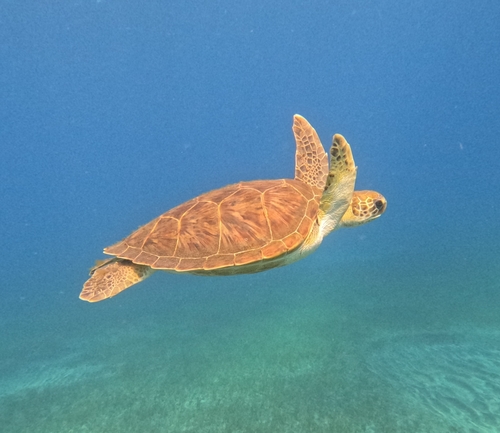
Loggerhead turtle
Seen Sep 2024
at Asinara Marine Park
Vulnerable
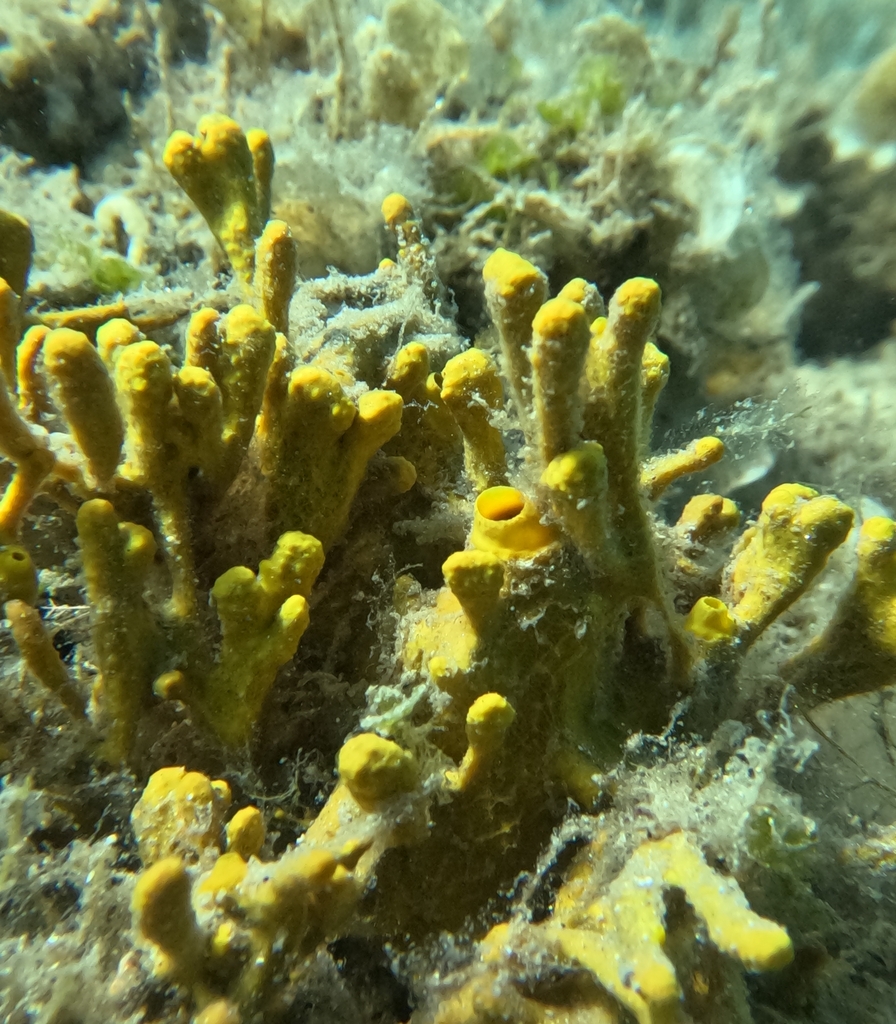
Yellow sponge
Seen Jul 2024
at Neptune's Grotto
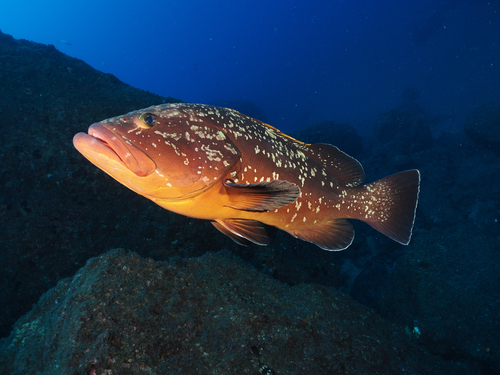
Grouper
Seen Jan 2024
at Asinara Marine Park
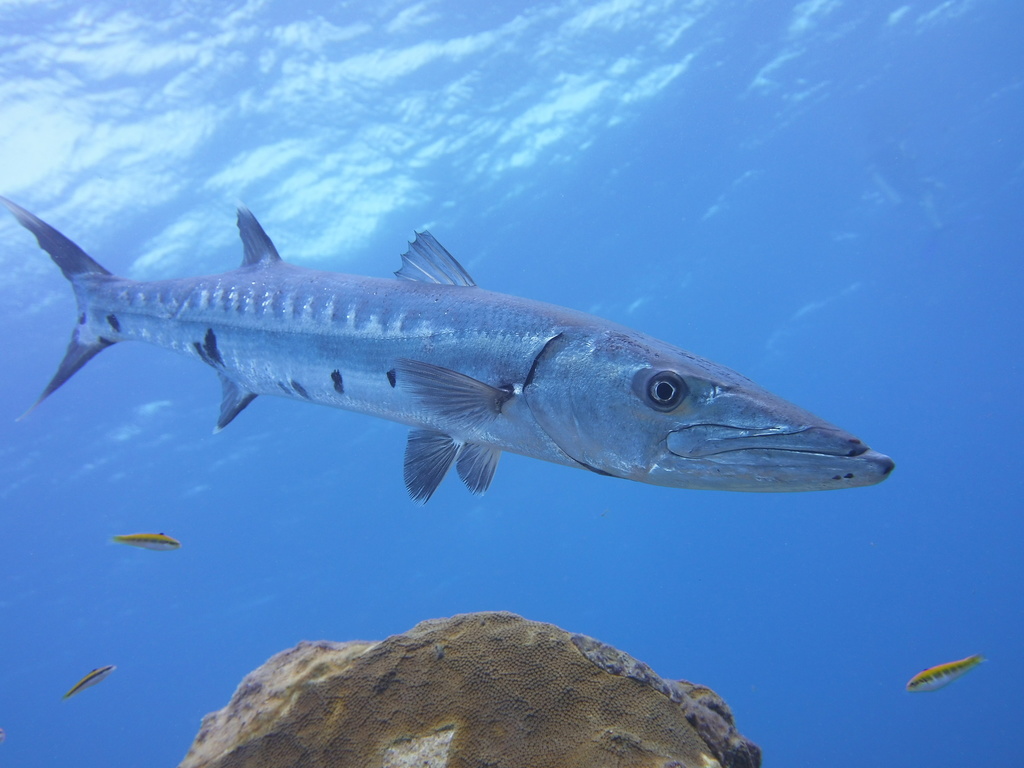
European barracuda
Seen year round
at La Maddalena Archipelago
Least concern
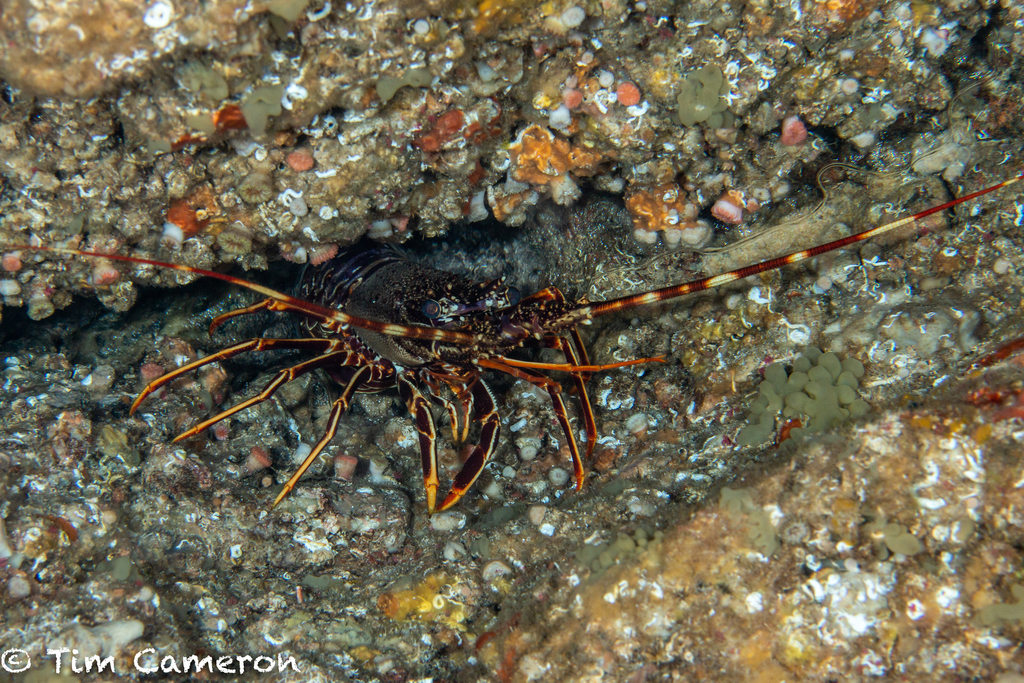
European spiny lobster
Seen year round
at Nereo Cave
Vulnerable
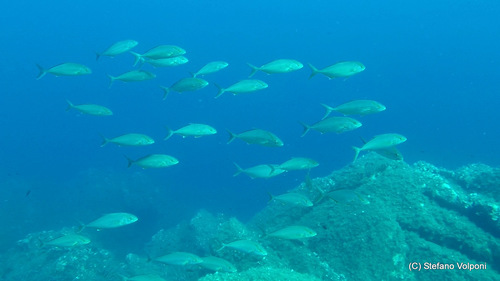
Greater amberjack
Seen year round
at Neptune's Grotto
Least concern
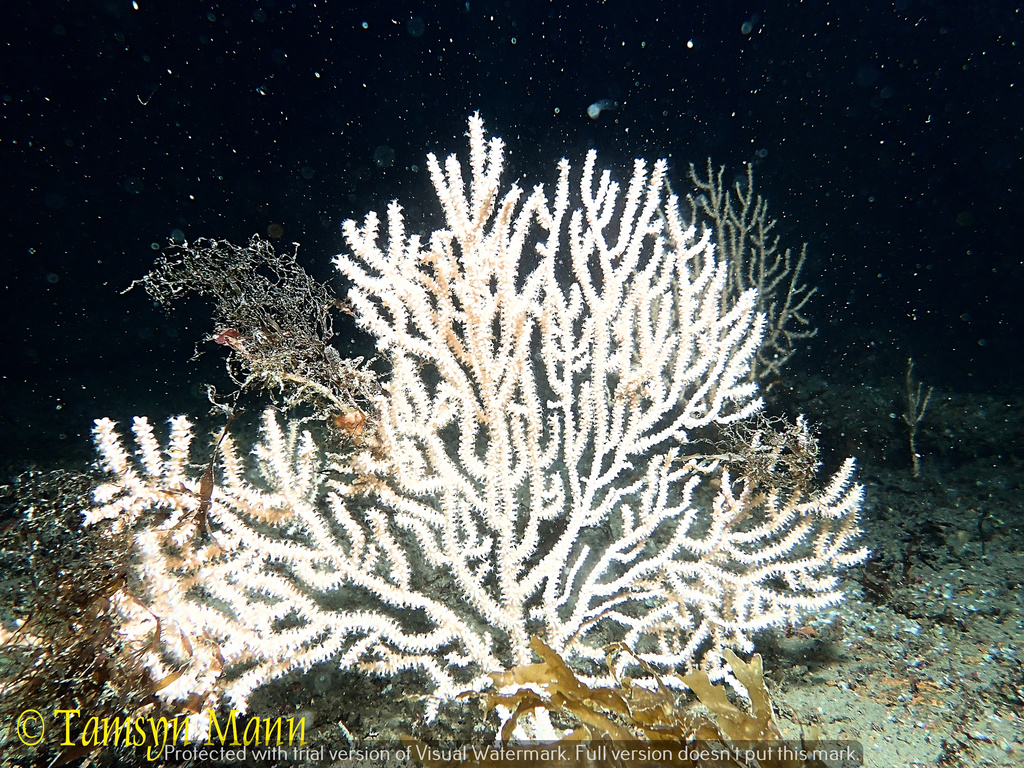
Pink sea fan
Seen year round
at La Maddalena Archipelago
Vulnerable
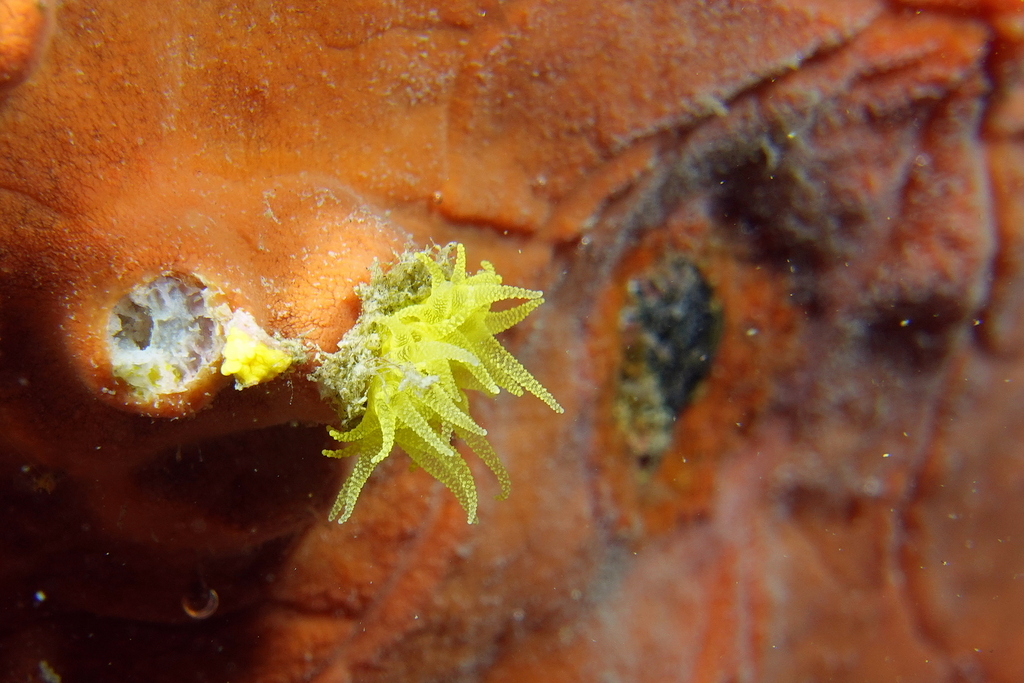
Yellow cave coral
Seen year round
at Nereo Cave
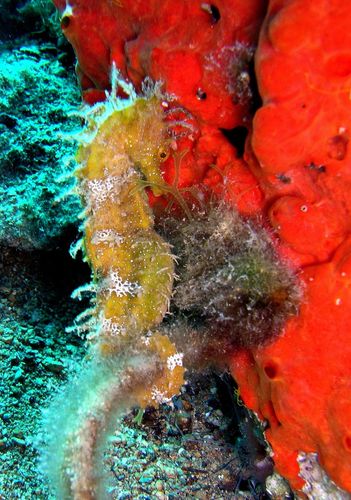
Long-snouted seahorse
Seasonal visitor
at Asinara Marine Park
Near threatened
Dive sites
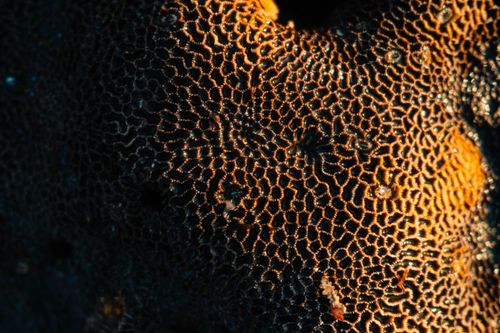
Nereo Cave
red coral · yellow cave coral · dusky grouper · european conger
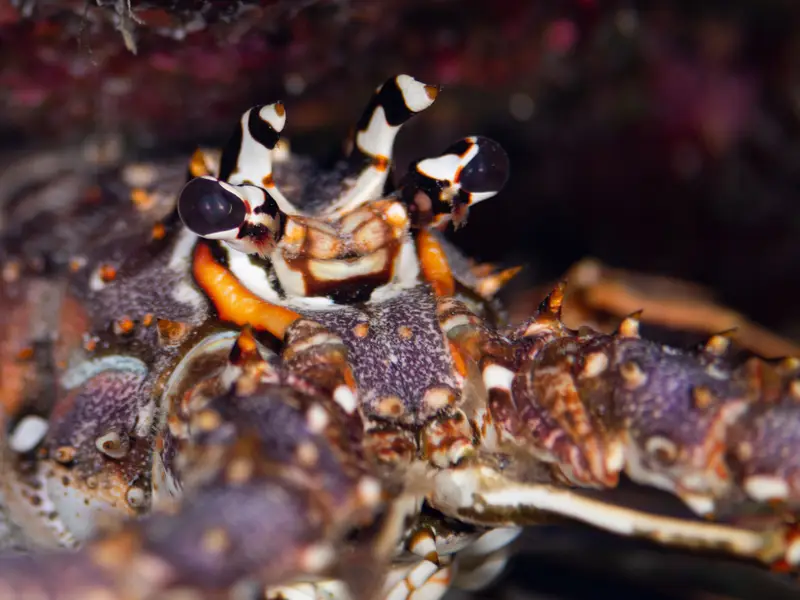
Asinara Marine Park
dusky grouper · noble pen shell · european spiny lobster · mediterranean moray
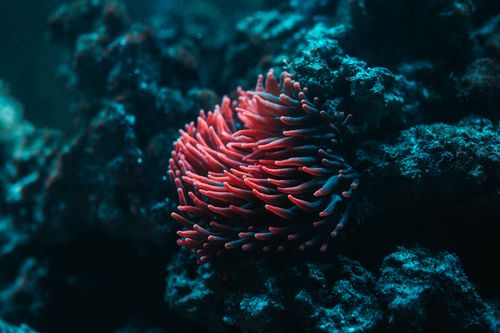
Neptune's Grotto
red coral · european spiny lobster · greater amberjack · yellow sponge
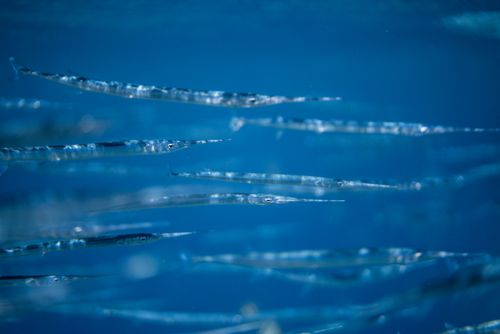
La Maddalena Archipelago
european barracuda · dusky grouper · pink sea fan · mediterranean moray
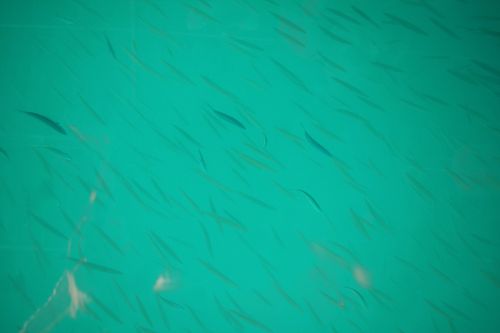
Capo Testa
posidonia seagrass · flabellina nudibranch · octopus · painted comber
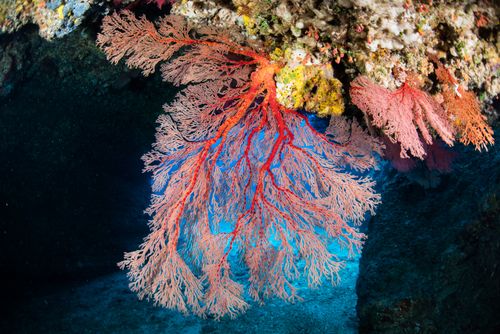
Capo Caccia Wall
noble pen shell · greater amberjack · mediterranean rainbow wrasse · tyrrhenian wall lizard
What divers say
Romans sank ships here 2,000 years ago and the amphorae are still on the bottom. Where else.
Good to know
Archaeological rules
Strict no touch on wrecks; criminal penalties for removal.